
Top Things to Do in Pokhara: Discover the Magic of Nepal’s Adventure Capital

Whenever Pokhara comes to mind, I remember the majestic view of Mt. Machhapuchhre and its reflection in the Phewa Lake. There are so many things to do in Pokhara, popularly known as the adventure capital in the center of Nepal. The city has always been the go-to place for adventure junkies and trekkers to the Annapurna Region.

Pokhara is a perfect blend of nature’s grandeur and Nepal’s Cultural Heritage richness. In any activities you perform there is always the massive background of Mt. Annapurna, Mt. Machhapuchhre, and Mt. Dhaulagiri. The city is a gateway to the Annapurna region, and Mustang region, and is the perfect point to start and finish the trip.

From a wide range of outdoor activities to relaxing in nature Pokhara has so much for everyone – whether trekkers or non-trekkers. In this blog let’s explore top things to do in Pokhara.


Hover Above the Himalayas with Paragliding

One of the most popular activities in Pokhara is Paragliding. You will experience the perfect thrill of Paragliding in Pokhara. It is a must-do adventure activity in Pokhara. The city is acclaimed as having the perfect conditions for paragliding and flying on ultralight flights. The views are just mesmerizing, with the perfect background of the Himalayas and the pristine Phewa Lake. You will take off from Sarangkot Hill and glide over the valley and lush green landscapes while capturing the panoramic views. This activity will make you fall in love with the nature and beauty of Pokhara.


Explore the peace at Phewa Lake

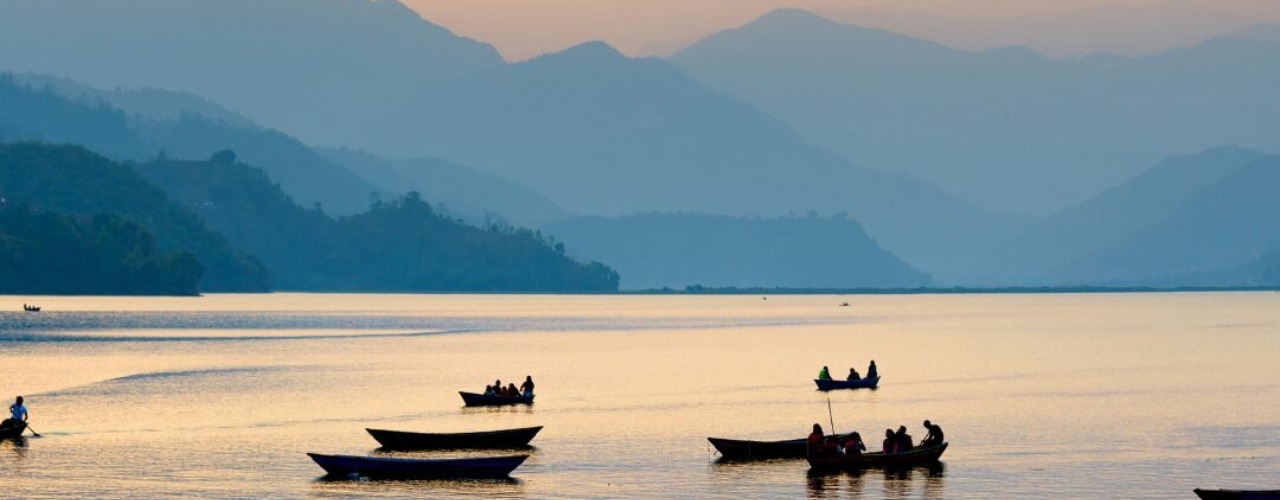
The perfect way to relax and rejuvenate after a tiring trek is to enjoy Phewa Lake. You can just sit or stroll around and witness the view of Phewa Lake. You can also rent a boat or paddle to the Tal Barahi Temple, situated on an island in the middle of the lake. The water is calm, and the surrounding mountains make you take a leisurely day out and just enjoy and admire the lake. The reflection of mountains makes you take as much as photographs as it becomes the picturesque setting.


Sunrise view

If you are in Pokhara, you cannot miss the sunrise. Wake up early and drive to Sarangkot for an epic sunrise view. As the rays of the sun touch the naked mountains, they glow and become reddish. That has to be the perfect sunrise for your lifetime to remember. You can also view the beautiful valley and city view from above. Sarangkot has become a known spot to view the sunrise and is crowded for the maximum of time.

I have another place to view the valley and sunrise from the top, that’s World Peace Pagoda. The place offers the same view with less crowd.


Explore different Hiking Routes

Pokhara is the gateway for the full-fledged trekking route in the Annapurna Region. But if you want for short one-day hiking route then there are many in the city and around the city. It makes the Pokhara paradise for Hikers.

Hiking to Sarangkot, instead of taking a vehicle or cable car, offers you an experience of closeness with nature and local culture. Likewise, hike to World Peace Pagoda, for the wonderful spot for photography, meditation, and a view of the city and mountains. There is another route from Bengas Lake to Begnaskot for the view from a different angle.

Nearby hiking routes have to be Dhampus and Tatopani. These hikes give you a close look at the mountain.


Explore Food and Shopping Markets

Pokhara’s gastronomical landscape is diverse from the local staple foods to international cuisine. There is a variety of flavors, you can enjoy delicious Momos, Dal Bhat, or Thukpa which serves as a comfort food. There are small local restaurants and other proper fine-dining restaurants too. Enjoy your cuisine with the experience of dining under the stars surrounded by the vistas of the beautiful lake and towering mountains. Those who want to munch while shopping can also get Yak cheese and other snacks at the stalls around the lakeside.

As the city is a gateway for trekking, you can find all kinds of gear you need for trekking, camping, and expeditions. Not only that you can also find the best souvenirs to take back home. There will be a display of authentic Handicrafts, clothes, and textiles that display Nepalese and Tibetan Culture.


Discover the Mysteries of the Davis Falls

Davis Falls is a popular spot to visit among tourists. It is famous for its mysterious yet awe-inspiring sight of the majestic waterfall disappearing underground. Adding to the beauty of the site, there lies a cave adjacent to the waterfall known as ‘Gupteshwor Mahadev Cave’. It is considered to be the longest cave in Nepal.


 Visit the International Mountain Museum

To understand and learn about the Himalayan culture one must visit the International Mountain Museum. The museum preserves the history, culture, and biodiversity of the Himalayas and showcases it to the world. They also have mountaineering equipment, historical artifacts, and information on the region’s flora and fauna.


Enjoy the Nightlife of Lakeside

The nightlife of Pokhara is popular among all locals and tourists. The lakeside gets happening and vibrant after the sunsets. There are many bars, pubs, and discos which uplift the spirits of the city. Different types of Musical sessions keep on going, be western, rock, or local Dohori. You are guaranteed to be grooving along with the traditional tunes as you delve into the ethnic dance. The tourists love to dance to the Nepali tunes. You will be listening to all types of music on every corner of the street.

The lakeside gets lit up and an evening walk on the bank of Phewa Lake provides an experience unlike any other. Enjoying the beautiful lake under the starlit sky can be a much-needed experience amidst the bustling city. You can get local food and drinks any hour of the night.


Other adventure activities

There are several activities that you can do in the city. Not only paragliding but Ultra-light flight in Pokhara is an activity that must make it to your list of adventures. It gives you a breathtaking aerial view of the stupa, lake, Sarangkot, Seti River, and temples against the beautiful backdrop of snowcapped mountains, especially the Annapurna range.

Cycling, Bungy Jumps, Swings, Zip-Lining, ATV Ride, Mountain Flights, Rafting, and other water sports in Phewa Lake. You won’t get bored staying in the city.


To conclude, Pokhara is a destination with immense activities. Either a thrilling adventure activity or just a lazy day at the lake, you will be amazed by the beauty. There are other spots like Bindabasini Temple, Mahendra Cave, Pumdikot, Tibetan Refugee Camp, and others. You will have an unforgettable experience in the city.

Plan your trip with Trekker Trails for all the fun and discover this adventure paradise.
Top Mountain Passes in Nepal: Ultimate Guide to Trekking Adventures

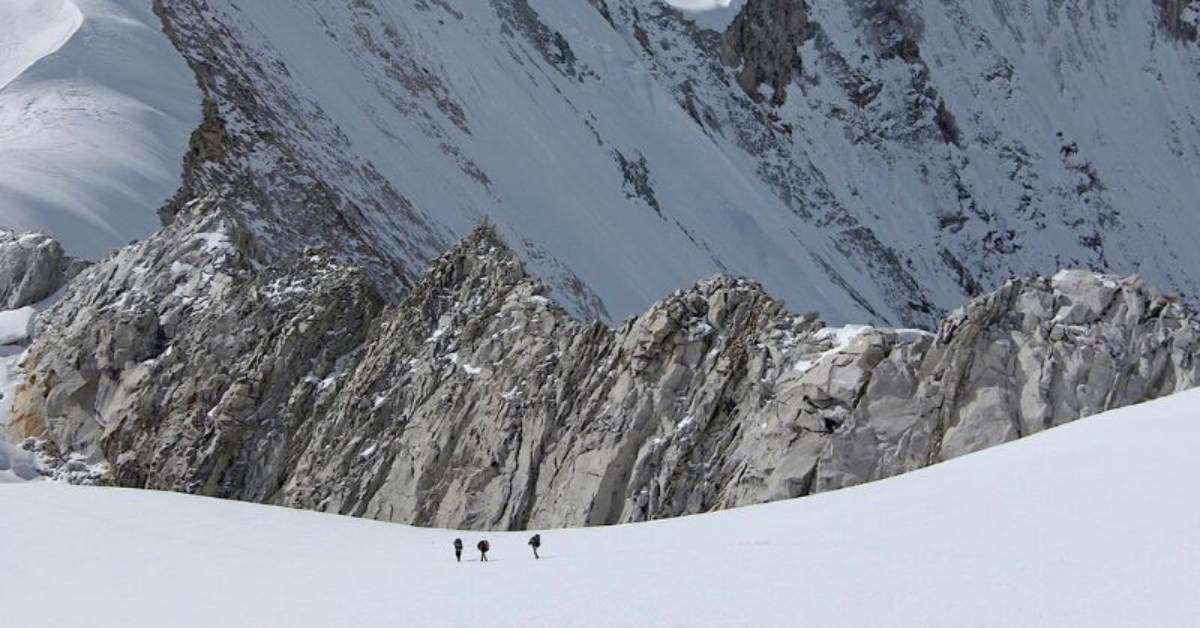
Geographical features in Nepal range from lowland to high snow-capped mountains. Nepal is popular for some of the highest peaks in the world. It is renowned for its stunning mountain landscapes with breathtaking views, and several mountain passes. Passes offer beautiful panoramic vistas and unforgettable trekking experiences. They offer a perfect blend of adventure experience, nature’s beauty, and cultural diversity. Here are some of the highest and most popular mountain passes in Nepal.

  1. Amphu Lapcha Pass (Everest Region)
  2. Kongma La Pass (Everest Region)
  3. Cho La Pass (Everest Region)
  4. Thorang La Pass (Annapurna Region)
  5. Renjo La Pass (Everest Region)
  6. Larke La Pass (Manaslu Region)
  7. Gosaikunda Pass (Langtang Region)


Amphu Lapcha Pass

Overview

– Elevation: 5,845 meters (19,177 feet)

– Location: Everest Region

Amphu Lapcha Pass is one of the high mountain passes located in the Sagarmatha Region. The remote glaciated pass is often less trailed, with an elevation of 5,845 meters (19,177 feet) above sea level. This is the most challenging pass. It requires mountaineering skills and special equipment to cross. It is situated between Hinku Valley and Imja Valley. Amphu Lapcha Pass in the Mera Peak region is one of the most difficult passes to cross in Nepal. This pass offers perfect views of Mount Everest, Mount Kanchenjunga, Makalu, Lhotse, Cho-Oyu, and others.


Kongma La Pass

Overview

– Elevation: 5,545 meters (18,192 feet)

– Location: Everest Region

Kongma La Pass is one of the high-altitude mountain passes in Nepal. It has an elevation of 5,545 meters above sea level. It is the rewarding experience of trekking through the Himalayan regions and crossing the Kongma La Pass. Crossing this pass comes with its own set of challenges. You will be glancing at the wilderness through the lush fields. You must cross suspension bridges, rocks, and other small passes. It is the memory of the breathtaking views of the Himalayas that stay with you for life.


Cho La Pass

Overview

– Elevation: 5,420 meters (17,782 feet)

– Location: Everest Region

One of the most famous passes in the Everest Region is Cho La Pass. It has an elevation of 5,420 meters from sea level. Cho Lo Pass is a popular yet challenging route when ascending on Gokyo trails. This pass connects Gokyo Lake with the Khumbu Valley and is a part of Everest Base Camp Trek. Trekkers cross this Cho La Pass for rewarding views of Everest, Ama Dablam, and other giants. One must have sound physical strength and condition to conquer this rugged and steep terrain pass.


Thorong La Pass

Overview

– Elevation: 5,416 meters (17,769 feet)

– Location: Annapurna Circuit

Thorong La Pass is a highly elevated pass in the Annapurna region, with an elevation of 5,416 meters above sea level. It is not the highest pass but is the most popular pass among trekkers which comes in part of Annapurna Circuit Trek. This pass is challenging for all yet the trekkers reach the pass for its rewarding journey with the best views of Annapurna and Dhaulagiri ranges. This pass also connects the Manang and Mustang regions. The trip will be a plus with the diverse cultural experience along the trek.


Renjo La Pass

Overview

– Elevation: 5,360 meters (17,585 feet)

– Location: Everest Region

Renjo La Pass is another high mountain pass in the Everest Region with an altitude of 5,360 meters above sea level. The trek over this Pass is adventurous and less crowded compared to the traditional Everest Base Camp route. Yet it is easier than the Everest three-pass trek and provides a peaceful experience. Crossing this remote pass leads to the Gokyo Lake Trek. You need to be prepared for everything, from mesmerizing views to gearing up for the adventure.


Larke La Pass

Overview

– Elevation: 5,106 meters (16,752 feet)

– Location: Manaslu Region

Larke La Pass is one of the longest mountain passes in Nepal and a highlight of the Manaslu Circuit Trek. This pass is situated at the height of 5,106 meters above sea level, that comes on the way to the deadliest peak, Mount Manaslu. Trek to this pass is remote and less crowded and provides all the thrills and beautiful peaks trekker seeks.


Gosaikunda Pass

Overview

– Elevation: 4,610 meters (15,125 feet)

– Location: Langtang Region

This Gosaikunda Pass is also known as the Lauribina Pass. It is a high mountain pass in the Langtang Region of Nepal. This trekking trail is popular, with an elevation of 4610 meters (15,125 feet) above sea level. Langtang Lirung, Ganesh Himal, and Dorje Lakpa are beautifully picturesque from the top of the hills.

It also holds religious value because of the holy Gosaikunda Lake in its heart. Inspiring hope and reflecting on an adventure in life followed by spiritual values, passing the Gosaikunda Pass will lead to a memorable experience.


Conclusion

The Mountain Passes of Nepal provide all the adventure, experience, scenery beauty, and cultural encounters. These passes offer you some of the best trekking trails and experiences in the world. Whether you are just passing by or exploring the remote villages, you will never forget these passes. Join Trekker Trails on the journey through Nepal’s mountain region and witness the view you have never seen.

How to Reduce Plastic Waste in Nepal: Eco-Friendly Travel Tips

Nepal is popular for its rich cultural heritage and warm hospitality. Nepal offers an unforgettable experience, breathtaking views, landscapes, and thrilling adventure. The country attracts a huge number of tourists from all around the world. However, tourism can have negative impacts too. The environments are directly impacted and plastic waste is a growing serious issue. We must be committed to protecting Nepal’s natural beauty. Here are some practical tips for reducing plastic waste while travelling in Nepal.

Why Reducing Plastic Waste is Important?

UN Environment research indicates that the tourism industry consumes key resources – energy, water, land, and materials (like fossil fuels, minerals, metals, and biomass). It has increased with its output of solid waste, sewage, loss of biodiversity, and greenhouse gas emissions. If tourism continues in the same order, by 2050 this could lead to an increase of 154% in energy consumption. Likewise, 131% in greenhouse gas emissions, and 152% in water consumption. And at last, 251% in solid waste consumption.

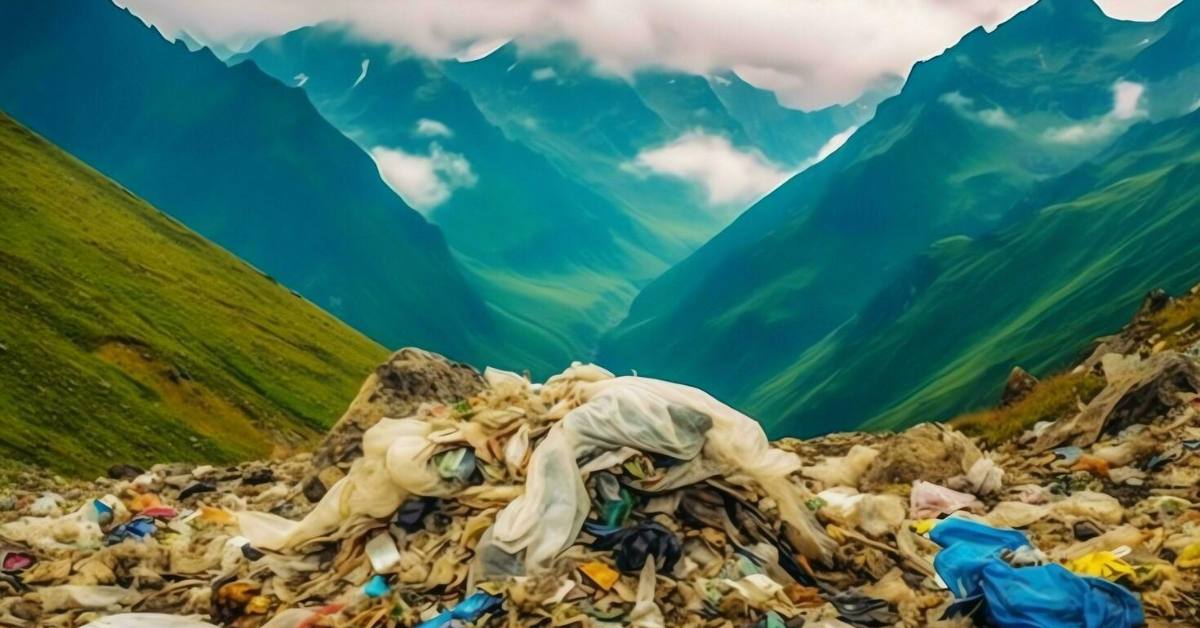
Plastic waste is a prime issue that degrades Nepal’s environment. The rural and remote areas lack the proper waste management facilities. The waste directly harms wildlife and pollutes water bodies and sources. They impact Nepal’s beautiful landscape. By acquiring a few eco-friendly practices, travellers can reduce the impacts and add to sustainable tourism practices.

Tips for Reducing Plastic Waste While Traveling in Nepal

Carry a Reusable Water Bottle

Replace purchasing bottled water with a reusable built-in filter water bottle. Many of the accommodation facilities, small homestays, and lodges provide safe drinking water to refill. This practice reduces the need for single-use plastic water bottles. This will directly lower plastic waste.

Carry a Reusable Shopping Bags

Usually, the local markets provide a plastic bag on your purchase. So, if you carry your reusable shopping bag, this helps to cut down on plastic consumption. It is a normal and simple way to reduce plastic waste during your travel.

Say No to Plastic Straws

A small change can impact in greater cause of plastic waste. Refuse the use of plastic straws when ordering drinks. You can use your reusable straw, ask for a paper straw, or else enjoy your drink without one.

Use of Eco-Friendly Toiletries

Use the products that are better for the environment. Opt for biodegradable soaps, shampoos, and toothpaste. To minimize plastic waste, replace liquid products packed in plastic bottles with solid shampoo bars and soaps.

Avoid Single-Use Plastics

Keep away from single-use plastic items like cutlery, plates, and cups. Carry a set of reusable utensils and a travel mug. This will drastically reduce the amount of plastic waste that is generated during your travelling days.

Choose Sustainable Accommodation

Recently, hotels and lodges have prioritized sustainable practices. You can choose to stay at eco-friendly hotels and lodges. You look for those places that reduce plastic use and waste. They believe in impacting less to the environment through energy consumption too. These hotels are also working on being self-sufficient and recycling the waste coming from them. As you support these establishments they are encouraged more for sustainable tourism practices.

Support Local Markets

Supermarket goods and products are heavily packaged. Purchase snacks and fruits from local markets as they are less packaged. Use your containers to avoid plastic bags and wrappers. This will directly support the local business and also reduce plastic waste.

Smart Packing

To minimize the plastic-wrapped items during your travel, bring your toiletries, snacks, and other essentials. Use cloth bags, and containers for your products. Be thoughtful while packing, as this can reduce your plastic footprint.

Participate in clean-up activities

Initiate campaigns like cleaning while trekking or visiting natural sites. You can also join the local clean-up initiatives too. This will directly reduce the existing waste on the trails and also raise awareness among other travellers and trekkers. This is one of the proactive ways to make a positive impact and reduce plastic waste in the region.

Educate and Advocate

Doing, learning, and sharing is an effective way to spread awareness. You can educate fellow travellers and locals by advocating the importance of waste management. You can also share your eco-friendly practices with them, which might inspire them. Showing by doing can motivate more to sustainable practices and contribute to a clean environment.

Therefore, Nepal is a fragile destination and it is crucial to preserve it. As a traveller or locals, we can promote and take a step forward to reducing plastic waste in Nepal. By adopting eco-friendly practices and tips, you can enjoy a more sustainable and responsible travel experience. We the team of Trekker Trails are committed to promoting sustainable tourism practices. Contact us for responsible and eco-friendly travel in Nepal.


Top 10 Nepali Souvenirs: Unique Gifts and Keepsakes from Nepal

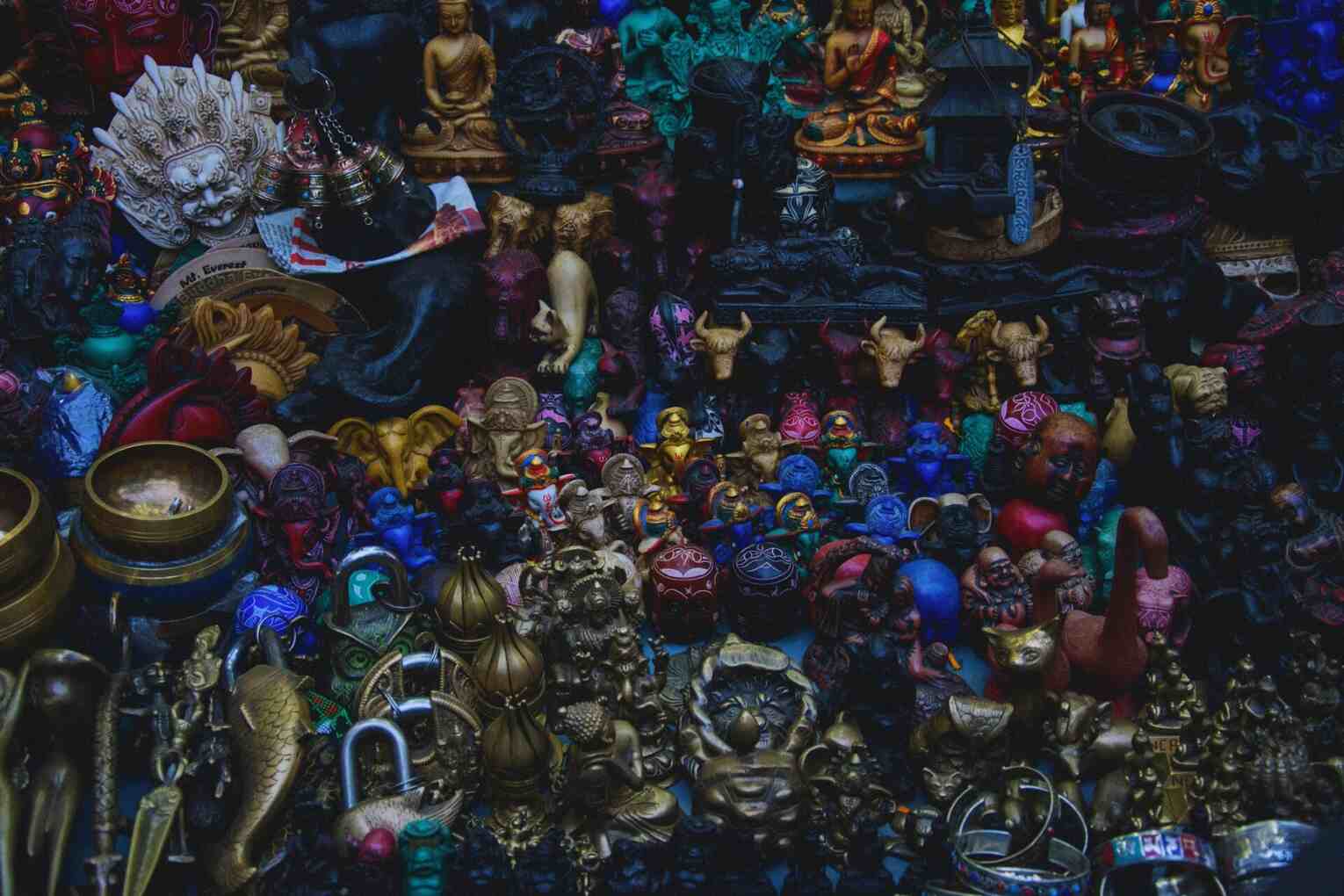
For shopping, you will probably purchase during your sightseeing around the sites. Thamel, Asan Bazaar, and New Road Bazaar are some of the popular shopping places. You can find sportswear, jewellery, electronic shops, and unique gift and material shops. Here are the top 10 Nepali souvenirs that you should consider bringing home:

  1. Khukuri
  2. Tibetan Carpet
  3. Thangka
  4. Tibetan Praying Flags
  5. Singing Bowls
  6. Brass Ware
  7. Jewellery
  8. Statues
  9. Musical Instruments
  10. Yak wool Shawls

Overview of each popular souvenir from Nepal:

Khukuri

Khukuri is the world’s most famous and iconic knife. It is distinctive from others due to its curved blade. The history of fearless Gorkhali Soldiers in World War II has popularized Khukuri. Today it has not only been a functional tool but is also a symbol of honor and bravery. It is commonly used in every village home in Nepal. And It makes for a unique and authentic souvenir.

Nepali Carpet

The popular Nepal Carpet is also called (the Tibetan Carpet). The carpets are hand-woven with the high-quality wool of sheep and other natural plants. Buddhism influences the traditional designs of the Nepali-Tibetan carpets. Still, in recent years, Nepali manufacturers have diversified their designs to include modern and contemporary styles and colours without compromising on the traditional touch. The carpets are renowned for their vibrant colours and complex designs. The carpets are long-lasting and durable and are a great piece for decoration.

Thangka

Thangka is the sacred subjects and images in the form of painting. The source of Tibetan thangka painting is the Buddhist doctrine. Usually, the painting showcases the artworks of deities, mandalas, and religious scenes. Thangka makes great souvenirs that reflect Nepal’s rich spiritual heritage. It will also be a beautiful piece of art to hang on your room’s wall.

Tibetan Prayer Flags

This souvenir has a meaningful and cultural significance. The colourful prayer flags are painted with sacred symbols and mantras. They are hung outdoors and are believed to bless and bring fortune to the people. They are also hung outside of the house, or in your spiritual meditation room.

Singing Bowls

The singing bowls make soothing and captivating sounds when struck or rubbed with a mallet. This property of bowls makes them perfect for sound healing and other therapeutic activities. This is one of the distinctive souvenirs to take with you.

Brass Ware

Nepal is famous for its detailed carved brassware. The skilled craftsmen and artisans make the souvenirs by hand and work on each small detail. Every piece of utensils, decorative items, and statues shows the traditional designs and craftsmanship of Nepalese society.

Jewellery

Nepal has a wide range of jewellery options available. There are different traditional ethnic designs to modern styles of jewellery. Traditional Nepali jewellery is made from gold, silver, beads, or other precious metals and often features intricate designs. Many traditional Nepali jewellery pieces have cultural or religious significance. Some traditional jewellery pieces are only meant to be worn by certain people on special occasions. A few popular types of traditional Nepali jewellery include Pote, Tillari jewellery, Chadke Tillari, Bulaki, Kantha, Naugedi (9 stones), Mangalsutra, Pauju (Payal), Necklace, Choker, Earrings, Chura (Bangles), Kadas (Bracelets), Rings, etc.

Statues

There are various traditions and communities of people who make statues. The craftsmen make sculptures of the deities of Hindus and Buddhists. They are made from different materials and are of different sizes too. These statues are worshipped and work as a spiritual reminder. Some are used as a decorative piece of art.

Musical Instruments

Nepal is one of the richest places in the entire globe in terms of religion, ethnic groups, and languages. This vividity in religion, castes, and language brings out the different traditional musical instruments. More than 200 musical instruments have their origin associated with Nepal. Different communities play different instruments that have their historical backgrounds and significance. These traditional musical instruments reflect the unity in diversity as music binds people together and decreases their differences. Marriage ceremonies, traditional practices, Jatras, festivals, etc., are incomplete without traditional folk melodies.

Some of the traditional Nepalese musical instruments popular souvenirs for music enthusiasts and collectors alike are: the madal (drum), bansuri (flute), sarangi (string instrument)

Yak Wool Shawls

Due to the cold weather the whole year, the Himalayan people started to handwoven the shawls for warmth. They are made of the wool of the Himalayan Yaks. These woollen shawls are popular among tourists for their warmth, softness, and durability. Featuring traditional designs and patterns, they make for stylish and functional souvenirs from Nepal.

Nepal has a wide range of unique souvenirs that showcase its rich cultural heritage and traditions. From renowned Khukuri knives and hand-woven Tibetan carpets to Thangka paintings and Tibetan prayer flags, each piece offers a tale about Nepali traditions. For fine jewellery, brassware, musical instruments and yak wool shawls explore the local markets like Thamel, Asan Bazaar and New Road Bazaar. These Nepali Souvenirs will be the perfect mementoes to remember your stay in Nepal.

Discover Family-Friendly Activities in Nepal: Exciting Adventures for All Ages

The giant peaks, lush forests, vibrant city, cultural heritages, festivals, adventure activities, and many more. Nepal is a complete package for all age groups. Nepal has something for everyone, from cultural tours to outdoor adventures and expeditions. The entire family will enjoy and experience unforgettable moments in Nepal. Here are some top Family-Friendly Activities in Nepal.


Exploring Nepal with Family: Top Activities and Tours


Visit Kathmandu’s Historical Sites

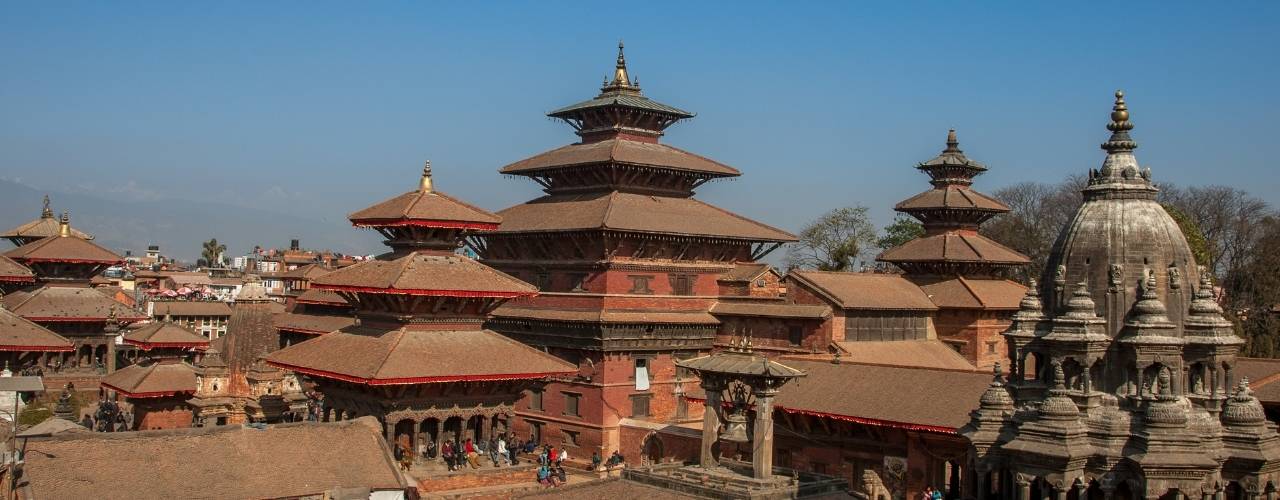
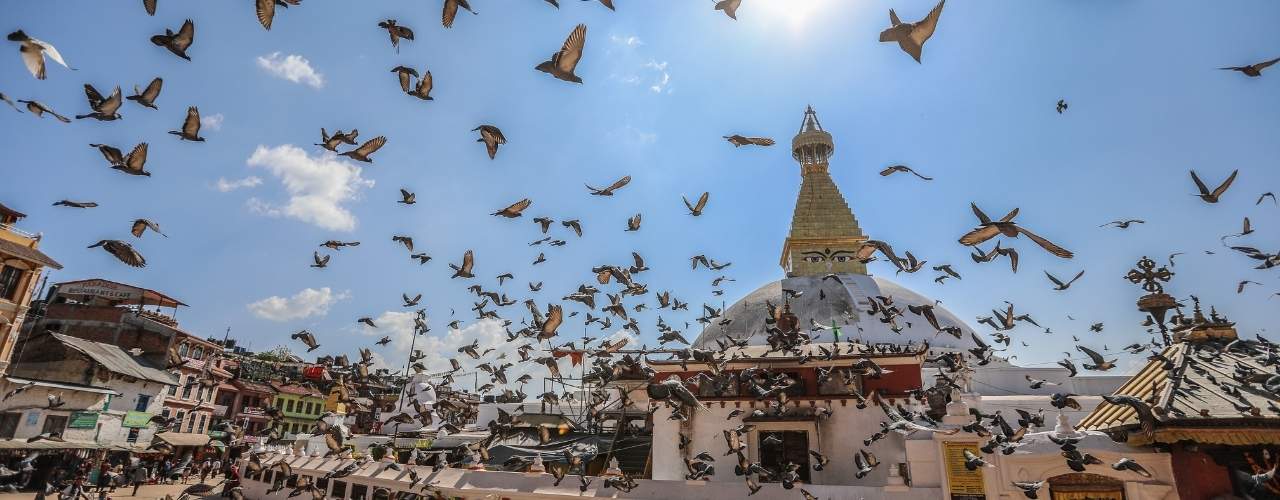
The capital city is a living museum. The streets and sites spell you the history of Nepal and its cultural importance. Your family can visit the Seven UNESCO World Heritage Sites in the valley. Swayambunath- The Monkey Temple. Boudhanath Stupa. Pashupatinath Temple. The Durbar Square of Kathmandu. The Durbar Square of Bhaktapur. The Durbar Square of Patan (Lalitpur). Changu Narayan Temple. These sites give you the perfect example of culture and history preservation. Your children will have a fun and educational experience during the sightseeing at these sites. You will dive into the Nepalese history and culture while you enjoy the beautiful craftsmanship and architecture.


Chitwan National Park Safari

The families who want to spend time in nature and wildlife, Chitwan National Park is the perfect destination. You can hop on your safari jeep and might spot the deer, rhinos, wild elephants or even the Royal Bengal Tiger if you are lucky. There is an Elephant Breeding Center too, where you can spend time with baby elephants, feed them, and play with them. One of the popular activities is Canoeing on the Rapti River, and you can witness the gharials and crocodiles with open mouths. The trip to Chitwan will be perfect for adults and children.


Pokhara’s Adventure Activities

Pokhara is a popular destination among tourists. The view of the Annapurna range and stunning lakes is perfect for families. The view gets more beautiful when you observe them from Sarangkot during sunrise. You can enjoy the peaceful boat ride with the backdrop of Mountains. You can also visit the World Peace Pagoda, Davis Falls, Bat Cave, Mountain Museum, and many more. Adults can also enjoy the nightlife in the lakeside of Pokhara.


Everest Scenic Flight

You have to take an hour scenic mountain flight. The experience of witnessing the world’s tallest mountain is surreal. This activity is best for all ages of family members. This activity offers a breathtaking view of mountains and valleys. It is one of the great ways of introducing mountains to your children without the challenging trekking.


Bhaktapur Cultural Tour

One of the ideal family day tours is the Bhaktapur Durbar Square Tour. This medieval city is well preserved and promotes the Newari culture. You can stroll around the narrow streets, and visit the ancient temples and courtyards. You can also do activities like, pottery making and traditional handicraft making. The experience will be fascinating as you immerse in the vibrant culture and historical ambience.


Family Trekking in the Annapurna Region

For families who are into adventure and trekking, a short trek to Ghorepani Poon Hill Trek will be the best option. It is an easy trek and rewards you with stunning views of the Mountains. The children will love this rewarding experience. Poon Hill Trek is the best trek for families. If you want to challenge and witness the mountain from close, you can also trek to Base camps.


Lumbini: Birthplace of Buddha

The atmosphere of Lumbini will be the perfect place for your family to bond. The calm and spiritual vibes you get will take you close to peace. Visit to Lumbini, the birthplace of Lord Buddha will be one of the soothing experiences. You can visit the Maya Devi Temple, the beautiful garden, different monasteries, and some ancient ruins too. You can meditate and pray on the premises.


Learning Local Crafts

For hands-on activity, your family can be involved in the local craftsmanship. You can learn to make pottery, thangka painting, weaving, and momo making. These workshops will introduce your children to Nepalese traditions and cultures.


Participating in Festivals

One of the best ways to experience Nepal is to be involved in festivals. Some vibrant and fun local festivals are, Indra Jatra, Holi, Dahsina, Tihar, Bisket Jatra, and many more. Festivals offer you a glimpse into the rich customs and traditions of Nepal.

To conclude, Nepal caters to all kinds of interests of children and adults. Nepal offers a wide array of family activities. You can explore historical sites, enjoy wildlife and nature, or engage in outdoor activities. You will be given various opportunities to create a perfect family trip to Nepal.

Family Adventures Activities Tour is the best-curated package for a family tour.

Discover Chitwan National Park: Wildlife and Adventure in Nepal

Who are you—a nature lover, a wildlife enthusiast, or an adventure seeker?

I have a perfect destination for you to recommend if you are any or all of the above.

It is in the subtropical lowlands of southern Nepal, Chitwan National Park. It is a UNESCO World Heritage Site and one of Asia’s best national parks. It is renowned for being one of the last populations of single-horned Asiatic rhinoceros and one of the last refuges of the Bengal Tiger. I can assure you that you will have an unforgettable experience and witness the beauty of Nepal’s nature.

In this blog, let’s delve into the key highlights of Chitwan National Park.


Intro and Biodiversity

Chitwan National Park is the first national park in Nepal and was established in 1973 AD. It spans over 952.63 sq. km. of the southern central terai of Nepal. Grasslands cover 20% of the park. There are more than 50 types of grasses, including the elephant grass (Saccharum spp.), renowned for its immense height. It can grow up to 8 meters in height. The park is home to more than 50 mammal species and 55 amphibians and reptiles. The endangered fauna found in the park is the one-horned rhinoceros, Gaur. Royal Bengal tiger. Wild elephant, four-horned antelope, pangolin, golden monitor lizard, Python, etc. Bengal florican. Lesser florican, giant hornbill, black stork, white stork, etc. Additionally, the park is famous for having one of the highest concentrations of birds in the world (over 350 species), is recognized as one of the world’s biodiversity hotspots as designated by Conservation International, and falls among the WWF’s 200 global eco-regions.


Iconic Wildlife of Chitwan

The Bengal Tiger

Every wildlife enthusiast dreams of spotting the elusive Bengal Tiger in Chitwan National Park. It is one of the few places in the world where you can witness these majestic big cats in the wild.


One-Horned Rhinoceros

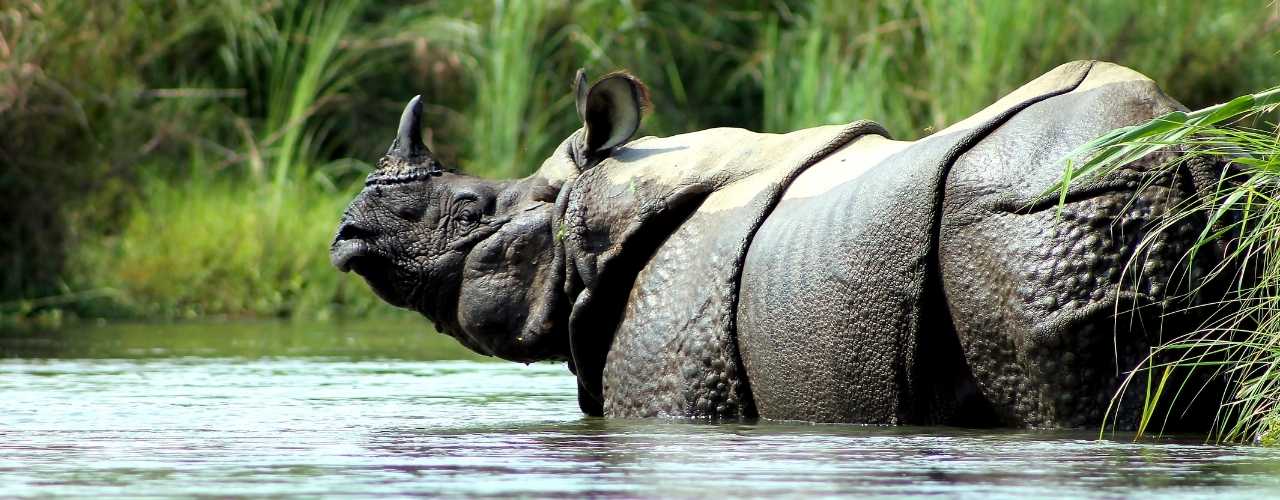
Chitwan National Park is popular for the preservation and population of the endangered one-horned rhinoceroses. You can see this magnificent animal grazing in the grasslands or wallowing in the wetlands of the park.


Asian Elephants

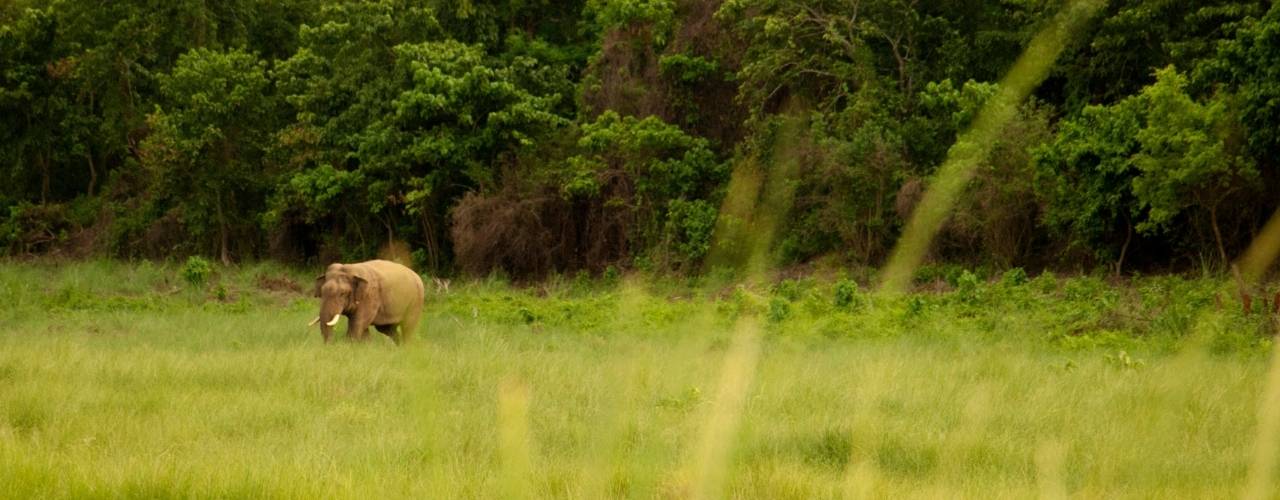
The only national park in the world where elephant polo is played. The National Park is a habitat for both domesticated and wild Asian elephants. Asian elephants are endangered, and there are only 255 to 265 wild elephants in Nepal (plus 150 domestic Asian elephants). The population in Chitwan is growing on its own through the park’s successful anti-poaching measures. You can spend your time at the Elephant Breeding Center and feed and play with the baby elephants too.


Exotic Birds

Chitwan National Park, with its lush jungle and flowing rivers, is a paradise for bird watchers. The park is home to 535 species of birds, and many migrate from Siberia during the summer. Beeshazari Lake is the ideal spot for bird watching as it draws a variety of bird species. The region is home to a variety of colourful birds, including woodpeckers, hornbills, Bengal floricans, and red-headed trogons.


Adventure Activities in Chitwan National Park

Jeep Safari

A jeep safari is one of the best ways to explore the vast expanses of Chitwan National Park. Take a guide with you, and there is a higher chance of encountering wildlife as you go deep into the jungle.


Canoeing on the Rapti River

Canoeing on the Rapti River is an exciting experience. The morning and evening are the ideal times for canoeing. You get to witness endangered gharials and crocodiles with open mouths. Aquatic birds and animals can also be seen on the banks of the river.


Jungle Walks

A guided jungle walk is the best way to immerse yourself and witness nature in Chitwan National Park. You can get insights into the local flora and fauna as you walk inside the dense forest, led by an experienced guide.


Elephant Bathing

The most loved and enjoyed activity by tourists in Chitwan National Park is elephant bathing. It is a fun way to interact with the elephant. These giants splash and play in the river. The experience will be fun and unforgettable.


Tips for Visiting Chitwan National Park

Best Time to Visit

Terai gets very hot during the summer. The ideal time to visit Chitwan is from October to March. The weather gets pleasant, and there will be numerous sightings of animals with high frequency.


Guided Tours

The local guides are experienced and knowledgeable about the national park and wildlife. They will give you insightful pieces of information, will help you spot elusive animals, and will also keep you safe from the wild. The guided tours will surely enhance your experience.


Accommodation

There are a wide range of accommodations, from luxury hotels to community homestays. They are located near the national park entrance. You can choose as per your preference and budget.


Respect Wildlife

Always maintain a safe distance from the wild. You must follow the rules and regulations mentioned by the national park. And you should be a responsible visitor, as you are only a guest in their home.


What to pack

Wear comfortable clothes and shoes. Bring binoculars, torch lights, and a camera to capture the beautiful scenery and wildlife. And never forget your presence of mind.


Chitwan National Park is the perfect blend of wildlife and adventure activities, as it is a true gem of Nepal. Chitwan promises you an experience like no other, whatever you are doing—tracking Bengal tigers, bird watching, or canoeing. You can also simply enjoy the beauty of nature and spend your time as you like with the perfect sunset from the bank of the Rapti River.

Plan your tour with Trekker Trails to ensure an unforgettable experience in one of Nepal’s iconic destinations.

Explore Kathmandu Durbar Square: Nepal’s Historic and Cultural Gem

Are you planning a vacation to Nepal?

If so, you should never miss visiting Kathmandu Durbar Square. It is commonly known as Basantapur Durbar or Hanuman Dhoka, is a historic Durbar Square in Kathmandu’s city center. Its rich history and wood carvings never cease to wow first-time visitors. The square is full of palaces, old temples, and courtyards. It has been designated a UNESCO World Heritage Site. I shall discuss the square’s history and main attractions in this blog.

A preview into the history of Durbar Square

Hanuman Dhoka was constructed during the Licchavi period (4th to 8th centuries AD). It was King Pratap Malla who expanded the property significantly in the 17th century.  The plaza has the highest concentration of old structures, including palaces, courtyards, and temples. It has almost 50 temples, so it is also popular as “the Museum of Temples”. The square complex is a living museum and served as a center of Nepal’s Royal Dynasty for generations. It showcases the grandeur of the Malla Dynasty who ruled over Kathmandu. Stone carvings, elaborate woodwork, and metal sculptures show the architectural and artistic mastery of that age.

Attractions in Durbar Square

  • Kumari Bahal

Kumari Bahal, one of the must-sees in Kathmandu Durbar Square, is the residence of Kumari -the Living Goddess of Nepal. The red brick building of three stories preserved many gorgeous and exquisite woodcarvings like Buddha, peacocks, and another pictorial on the balcony and windows in the courtyard. Based on religious and cultural criteria practised since eras, a small girl is chosen as Kumari, the only living goddess of Nepal. She is said to be the human incarnation of the Hindu goddess.

  • Hanuman Dhoka

Hanuman’s assistance to the noble Rama during the exciting events of the Ramayana has led to the monkey god’s appearance guarding many important entrances. Here, cloaked in red and sheltered by an umbrella, a Hanuman statue marks the dhoka (entrance) to the Hanuman Dhoka and has even given the palace its name. The statue dates from 1672; the god’s face has long disappeared under a coating of orange vermillion paste applied by generations of devotees.

  • Nasal Chowk

Your main taste of the royal palace will be this handsome courtyard inside the main entrance. Nasal Chowk was constructed in the Malla period, but many of the buildings around the square were later Rana constructions. During the Rana period, Nasal Chowk was used for coronations, a practice that continued until as recently as 2001 with the crowning of King Gyanendra here. The former coronation platform stands in the center of the courtyard, while the damaged Basantapur (Kathmandu) Tower looms over the southern end of the courtyard.

  • Narsingha Statue

Beyond the door is the large Narsingha Statue, Vishnu in his man-lion incarnation, in the act of disembowelling a demon. The stone image was erected by Pratap Malla in 1673 and the inscription on the pedestal explains that he placed it here for fear that he had offended Vishnu by dancing in a Narsingha costume.

  • Tribhuvan Museum

The palace wing to the west of Nasal Chowk, overlooking the main Durbar Square area, was constructed by the Ranas in the middle to late part of the 19th century after they wrested power from the royal Shah dynasty. Ironically, it later became a museum celebrating King Tribhuvan (1911–55) and his successful revolt against their regime, along with memorials to Kings Mahendra (1955–72) and Birendra (1972–2001). Sadly, this wing of the palace bore the brunt of the damage in the 2015 earthquake. The museum was due to open in 2018, though it is unclear at this stage whether such unusual treasures as the king’s favourite stuffed bird and his Land Rover, with the scars of an attempted assassination, survived the disaster.

Rising above the museum is the nine-story Basantapur (Kathmandu) Tower (1770), which once stood like a beacon at the end of Freak Street Unfortunately, the upper tiers collapsed during the earthquake, and the tower was closed to visitors while it was repaired with Chinese assistance.

  • Taleju Temple

Kathmandu Durbar Square’s largest and most important temple sits behind a large walled enclosure in the northern section. The three-story temple sits on top of twelfth brick plinths or platforms that tower over the area. The tallest building in Kathmandu Durbar Square: is the Taleju Temple The temple itself is behind a locked gate which is only opened up for one day every year during the Dashain festival (ninth day). All visitors in between can only gaze upon it from outside the walls. The temple suffered some roof damage in the 2015 earthquake but has since been completely repaired. The Taleju goddess originally came from South India but was adopted by the Malla kings who built temples for her.

  • Swet bhairav

Swet Bhairav is one of the most known among the different forms of Bhairav. Revered for purity and auspiciousness, this statue remains concealed behind a wooden latticed window throughout the year, emerging only during the festival of Indra Jatra, when devotees present offerings of rice liquor and rice beer with a bamboo straw. Recently one of the bottom windows has been kept open for devotees.

  • Kaal Bhairav

Kaal Bhairav stands resolutely in the southwestern corner of Kathmandu Durbar Square, representing the domains of time and death. The 12-foot-tall idol with six arms is believed to have been made of a single block of stone, brought from Nagarjun during the Malla period. Among the different forms of Bhairav, one can see this deity in plain sight.

The idol is depicted as one stepping over a dead body, holding a decapitated head in one hand. Hence, the statue bears a fierce countenance and is fervently worshipped as a guardian against malevolent forces and misfortune. Devotees seek blessings from the deity to navigate life’s hardships, diseases, poverty, enemies, and other challenges. The deity is also believed to be the enraged form of Lord Shiva when the latter wished to teach Lord Brahma a lesson for being arrogant.

Tips for visiting Durbar Square

  • Best time to Visit: The best time to explore Kathmandu Durbar Square is in the early morning or late afternoon when the crowds are thin and the lighting is best for photography.
  • Guided Tours: To know and understand the significance of the square and its history you are recommended to hire a local guide. They can provide you with some interesting stories and facts, otherwise, you might miss them.
  • Entry Fees: There is an entry fee for tourists. It is used in the maintenance of the complex. Make sure you keep your ticket handy. The price of the ticket is NPR 1000 for Foreign & Chinese Nationals, NPR 500 for SAARC and BIMSTEC Nationals, and free for Nepalese.
  • Respect Local Customs: You should make sure you are dressed modestly and be respectful of the local customs and traditions. Do not take pictures of the idols and others in restricted areas, especially inside temples.
  • Stay Safe: Dubar Square is generally safe all the time, but be aware of your belongings.

At last to conclude:

Kathmandu Durbar Square is not just a historical site; but a cultural hub and main attraction for tourists which offers an unseen glance into Nepal’s heritage and culture. The majestic palaces, sacred temples, woodwork, architecture, statues, and many more recite the story of Nepal’s past and its legacy.

Who are you? A history buff? Architecture enthusiast? Curious traveller?

Whoever you are, a visit to this iconic Durbar Square will surely be a highlight of your trip to Nepal.

To explore beautiful wonders like this, and plan a trip to Nepal contact Trekker Trails. Let us help you to create a lifetime experience in Nepal.

Thrilling Adventure Activities in Nepal: Beyond Trekking

Adventurous Activities Beyond Trekking: Thrilling Adventures in Nepal

Nepal with its mountains and hilly terrains is a worldwide popular destination for trekking. While the Himalayas are renowned for breathtaking views during the trek, many other adventure activities attract adrenaline junkies. From white-water rafting to bungee jumping, and paragliding to canyoning, Nepal caters to all your thrills that go beyond trekking. Here we will go through a few of the adventure activities that you can do expect trekking in Nepal.


White-Water Rafting in Nepal

The torrential rivers of Nepal rising from the glaciers of the highest mountains in this world provide ample opportunity to enjoy rafting in Nepal. It offers an exciting rafting experience with its rugged terrain and numerous rivers. White Water rafting in Nepal is popular for its rapids, currents, sharp turns, and calm stretches, which act as a pulling magnet for rafting enthusiasts.

Some of the top rivers for White-Water Rafting in Nepal are:

Trishuli River:

The Trishuli River is ideal for beginners and families, with a variety of easy and moderate rapids set against gorgeous scenery. It’s an excellent start to whitewater rafting in Nepal.

Bhote Koshi River:

For those looking for a more intensive experience, the Bhote Koshi River is famed for its difficult rapids and exhilarating fall. This river is not for the faint of heart, yet it provides an adrenaline rush unlike any other.

Seti River:

The Seti River, which combines the splendour of lush green hills with exhilarating rapids, is ideal for anyone seeking a scenic yet adventurous rafting experience.

For a detailed understanding of White-Water Rafting in Nepal, you can go through our blog White Water Rafting in Nepal: Top Rivers and Safety Tips.


Bungee Jumping

Bungee Jumping has always been on the bucket list of thrill seekers. Nepal offers an unparalleled experience that promises an adrenaline rush and breathtaking views. Bungee Jumping is gaining popularity in Nepal too, so there is an increase in the establishment of Bungee Jumping sites. There is the World’s 2nd Highest Bungee Jump also.

The Last Resort:

The Last Resort in Nepal is set amidst sprawling terraced slopes, suspended on a high cliff-top gorge above the wild Bhote Kosi River and surrounded by dense jungle and pristine forest. The jump is a 160-meter drop into the Bhote Koshi River gorge on the Nepal/Tibet border and is one of the longest free-falls. This spot is near Kathmandu.

The Cliff, Kushma:

The Cliff, Kushma Bungee Jump is Nepal’s tallest bungee and the world’s second-highest bungee Jump which scales a height of 228 Meters. The Bungee jump spot is located on the border of Baglung and Kushma district of Nepal. These two districts are connected by the 520-meter suspension bridge in the George of Kaligandaki River. The thrill is unmatched here. This adventure company also provides other activities like Swing, Couple Swing, Sky Cycle, and Sky Café.

The High Ground Adventure:

The High Ground Adventure is a 20-minute journey away from the Pokhara Lakeside. They have an 80-meter tower Bungee Jump and freefall of five pulse-pounding seconds at Bungee Pokhara. This adventure company caters to various adventure activities like ZipFlyer, ATV Adventure Tours, and The SkyScreamer.


Canyoning

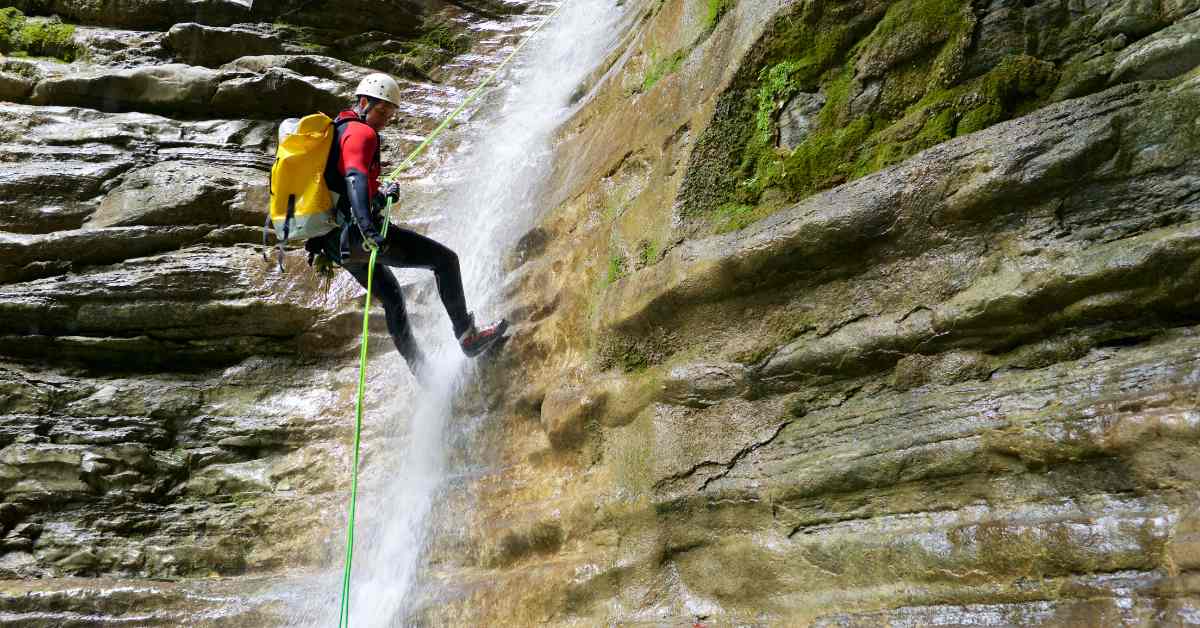
Canyoning in Nepal is a great way to explore adventure activity in rugged terrain. You will rope down the waterfall, slide down the natural water slides, and jump into the deep pools. There are two popular waterfalls among Nepalese for canyoning:

Sundarijal:

The waterfall in Sundarijal offers a stimulating canyoning experience with different waterfalls and natural slides. It is a great way to enjoy your day off and stay away from the crowd of the city.

Jalbire Canyon:

Jalbire Canyon is on the way to Chitwan National Park from Kathmandu. This offers a refreshing canyoning experience. This spot is perfect for all levels of thrill seekers.


Paragliding

Paragliding in Nepal is a rising activity among the tourists in Nepal. Due to the stunning landscapes, the country provides a unique perspective on its beauty. Flying above the valley with the mesmerizing backdrop of mountains exhilarates your thrills.

Pokhara:

Pokhara offers the most beautiful flight with views of mountain ranges, valleys, and lakes making it one of the most popular paragliding destinations in Nepal. Taking off from Sarangkot and gliding over the Phewa Lake is a fun and memorable activity in Nepal.

After the rise of paragliding in Nepal, there are other destinations like Bandipur, and Syangja are also developing the activity. Test flights have been conducted here are infrastructures are in development. These places also provide equally stunning views with fewer crowds.


Why should you choose Nepal for your next adventure?

Nepal’s geography has the potential for different adventure activities other than trekking which makes it an ideal destination for tourists. Here are some of the reasons why Nepal should be your next adventure vacation:

Diverse Terrain: Fast-flowing rivers, deep gorges, intense waterfalls, lush forests, and wide mountain ranges, make Nepal a diverse geographical country. This has the potential for unlimited adventures

Experienced Guides: Nepal has some of the most experienced and qualified guides, who assure safety while also providing an interesting experience.

Affordable Adventures: Compared to many other adventure locations around the world, Nepal provides these thrilling activities at relatively affordable prices, making them accessible to a wider audience.


Plan Your Adventure with Trekker Trails

At Trekker Trails, we craft a memorable adventure experience in Nepal. If you are looking forward to trekking to the World’s Highest Mountain Base Camp, kayaking in the White Waters with an intense current, free falling from the second-highest bungee spot, and hovering over the Pokhara Valley our team ensures you have an incredible adventure here in Nepal.

Contact us to book your lifetime experience with us here in Nepal!

Cultural Etiquette in Nepal: Do’s and Don’ts

Nepal Cultural Etiquette: Essential Do’s and Don’ts for Travelers

Nepal is a land of cultural heritage. Depart from beautiful landscapes and country is rich in its traditions and vibrant festivals too. As you plan for your journey to Nepal, understanding and being prepared for the local customs will help you with your experience.

This a short guide of Do’s and Don’ts of Nepalese cultural etiquette.


Do’s in Nepal

  • Greet with Namaste

Namaste means “I salute the god within you”. your palms held together as if praying and slightly bowing your head, is one of the most attractive and addictive of Nepalese customs. If you want to show great respect, ‘Namaskar’ is a more formal or subservient variant. It is a customary way to say hello, hi, and goodbye.

  • Remove shoes before entering

In Nepali culture, you have to remove your shoes before entering homes, temples, and other religious sites. It is a practice and a sign of respect and cleanliness.

  • Use of Both hands

Objects should be passed, offered and received with the right hand only or both hands together. This is considered to be polite and respectful. The left hand is considered ‘unclean’ or ‘impure’.

  • Respect religious sites

Major Hindu temples or their innermost sanctums are usually off-limits to nonbelievers, who are a possible cause of ritual pollution. Where you are allowed in, be respectful, take your shoes off before entering, and don’t take photos unless you’ve asked permission.

  • Dress Modestly

Nepalese are innately conservative in their attitudes to clothing, and it is worth knowing how you may come across. Especially in temples and monasteries. Men should always wear a shirt in public, and long trousers if possible (shorts are fine on well-used trekking trails). For women in villages, a sari or skirt that hangs to mid-calf level is traditional, though trousers are acceptable these days.

  • Accept hospitality

If invited for a meal in a private home, you can bring fruit or sweets, but don’t expect thanks as gifts tend to be received without any fuss. When the food is served you may be expected to eat first, so you won’t be able to follow your host’s lead. Take less than you can eat – asking for seconds is the best compliment you can give.

  • Respect local customs

You are most welcome to participate in local customs and festivals. You will tend to share the energy and enthusiasm of the local people. Learn the Nepali word, “dhanyawad” (thank you), this shows respect.


Don’ts in Nepal

  • Avoid public displays of affection

Male friends will often hold hands in public, but not lovers of the opposite sex. Couples who cuddle or kiss in public will at best draw unwelcome attention. Handshaking has increased, but not all women will feel comfortable to shake a man’s hand. Keep physical affection private.

  • Don’t touch heads

In Nepal, the forehead is regarded as the most sacred part of the body and it’s impolite to touch an adult Nepalese’s head. Do not take another person’s hat (Topi) off their head, even playfully. It is rude to touch other people’s heads.

  • Don’t show the soles of the shoes

The feet are the most unclean part, so don’t put yours on chairs or tables, and when sitting, try not to point the soles of your feet at anyone. Sit cross-legged or with your feet flat on the ground.

  • Don’t point with a finger

Pointing something or someone with a single finger is considered to be impolite. You should use your whole hand to gesture.

  • Avoid stepping over offerings and study materials

Be careful not to step over the small offerings to deities in temples or streets. Education is highly prized, so avoid touching or kicking books, stationery, paper, or other reading and writing materials with your feet. This is considered an insult to Saraswati (the goddess of education).

  • Don’t enter temples with leather

Leather is usually not allowed on temple premises. Try not to touch offerings or shrines as cows are sacred in Hinduism. Keep your leather bags, wallets, and bags outside.


Visiting Nepal is a journey into a world of deep-rooted traditions and warm hospitality. By respecting local customs and etiquette, you not only enrich your travel experience but also build meaningful connections with the local community.

Happy travels, and Namaste!


At Trekker Trails, we are committed to ensuring your journey is both respectful and memorable. Contact us for more tips and personalized travel experiences in Nepal.

Travel Safety Tips for Visiting Nepal: A Comprehensive Guide

Nepal is growing every year and branding itself as a great destination for tourism activity. Nepal has a huge range of activities and destinations, from the highest peak in the world and mountain ranges for trekking and expeditions to cultural activities and adventure activities. A responsible traveller and a responsible travel company always ensure safety and an enjoyable journey. Here are some essential travel safety measures and tips for visiting Nepal.


Before you arrive

Research and planning

Nepal’s geography, climate, and culture are very different from that of other countries. So always research well about these aspects. Understand Nepal’s topography and be familiar with the cultures. Plan your itinerary accordingly concerning your health, weather conditions, and travel restrictions. Always share about your health conditions with your travel agent.

Vaccinations and Medications

Before travelling to any destination consult with your doctor and take all the necessary vaccinations too. Do not forget to pack your regular medications. Also, pack a first-aid kit for your personal use.

Travel Insurance

Taking travel insurance is always an investment. Have a travel insurance policy which covers your medical emergencies, trip cancellations, and delays.


Health Precautions

Altitude sickness

Trekking in Nepal is a popular activity where the trails and routes go in high altitudes. This may cause altitude sickness. Acclimatize slowly and gradually, increase the intake of fluids, and avoid jumping and strenuous activities.  Keep an acclimatization break day in your itinerary during the trek. Altitude Sickness Prevention Tips for Trekking in Nepal blog will help to know more about altitude sickness.

Water and Food Safety

It is an essential part of your journey. Drink boiled or bottled water, and use purification tablets during the trek. Avoid eating raw foods, do not eat undercooked meats, and prevent yourself from eating raw vegetables, and unpeeled fruits. Explore the new cuisine but be aware of the foods you are allergic to.

Personal Hygiene

Avoid touching unknown plants and herbs. Wash your hands frequently, especially before eating.

Sun protection

The Sun can be harsh in high-altitude so use sun cream, sunglasses, and hats to protect yourself.


Safety Tips

  • Be aware of your belongings and keep important documents with you.
  • Be alert in crowded and tourist hotspots.
  • Do not travel alone at night, especially in rural areas.
  • To avoid scams always use authorized taxis and guides.
  • Stay updated about the local events, festivals, and weather conditions.
  • Always have the emergency contact number Police: 100, Ambulance: 102.
  • Be familiarized with your embassy contact.


Local Customs and Etiquette

  • While visiting temples wear dresses that cover your shoulders and knees.
  • Respect local customs and traditions, do not point with your feet or touch someone’s head
  • Do not click anyone’s picture without their permission
  • Remove your shoes before entering houses, temples, and monasteries
  • Learn basic Nepali Phrases and words, for easy communication. Read out our blog Nepali Language Guide for Trekkers: 10 Essential Phrases for an Epic Journey


Additional Tips

  • Avoid throwing litter and polluting the environment
  • Support the local community and purchase from local vendors, stay at eco-lodges and eat at a local restaurant
  • Stay connected with your family and keep updating them


Be prepared with the above safety tips, have an open mind, be flexible, and respect the local culture. Nepal has so much to offer and you will have a lasting memory of your stay here. The beauty of nature and activity will always be your favourite memory to cherish.

We are committed to providing you with a safe and enjoyable experience in Nepal.

Ready to explore the wonders of Nepal?

Book your journey with us and let us handle your travel needs. Safe travels!


We're associated with