
White Water Rafting in Nepal: Top Rivers and Safety Tips for Adventurers

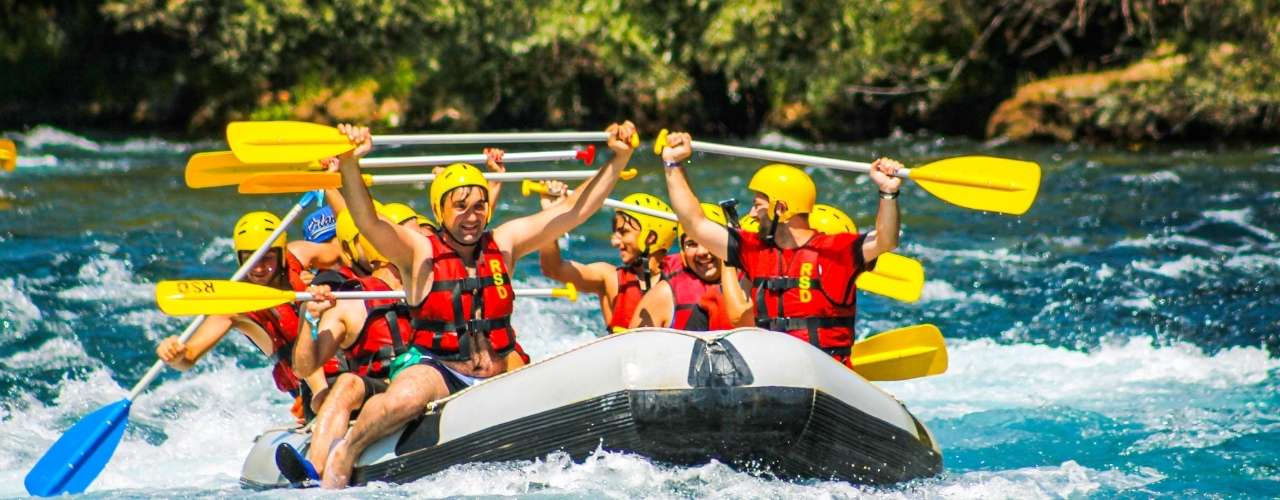
Nepal is emerging as a mecca for adventure. Any adventure you name it; you can perform here. You can find one and only Everest Paragliding or the world’s 2nd highest bungee jump here in Nepal. The torrential rivers of Nepal rising from the glaciers of the highest mountains in this world provide ample opportunity to enjoy rafting in Nepal. Rafting offers a unique chance to see the natural beauty, flora, and fauna and enjoy the beautiful landscape in the most memorable way. The unique geographical structure of Nepal has created the most exciting rafting rivers in Nepal.

Nepal offers an exciting rafting experience with its rugged terrain and numerous rivers. White Water rafting in Nepal is popular for its rapids, currents, sharp turns, and calm stretches, which act as a pulling magnet for rafting enthusiasts.

In this blog, we will learn about the top five rivers for White Water Rafting in Nepal and safety precautions for a great experience.


Top Rivers for White Water Rafting in Nepal

  1. Trishuli River
  2. Bhote Koshi River
  3. Seti River
  4. Kali Gandaki River
  5. Sun Koshi River


Trishuli River

Trishuli is Nepal’s most popular and commercially run rafting river. It has a few exciting rapids, impressive gorges, and some easier sections, and is easily accessible from Kathmandu and Pokhara. This river is recommended for those who are with limited time. Moreover, this river trip can be combined with a visit to Chitwan National Park or Pokhara or trekking to the Annapurna Region.

Key Highlights:

  • Grade III-IV rapids
  • Suitable for beginners
  • Year-round rafting possibilities

Trishuli River Facts

Rafting starts: Charudi
Rafting ends at: Gaighat/ Fishling
Grades: Class III – IV
Duration: 1-3 days (as per the preference of rafters)
Distance: 60 KM
Best season: Round the year
Perfect for: Waterways from Kathmandu to Pokhara
Difficulty: Beginners


Bhote Koshi River

This river offers a one or two-day trip of extreme and challenging water activity. Bhote Koshi is formed by glacial waters from the Shisa Pangama in Tibet. Despite offering class III to V rapids, the river is ideal for newbies as well as expert rafters. It is fun and stimulating as well as challenging, but never uncomfortable. Expect to encounter lush/green fields, beautifully terraced lands, remote villages, stunning waterfalls, and deep canyons on the journey.

Key Highlights:

  • Grade III-V rapids
  • Thrilling drops and technical rapids
  • Best for experienced rafters

Bhote Koshi River Facts

Rafting starts: Lamosangu Dam
Rafting ends at: Dolaghat
Grades: Class III – IV
Duration: 1 to 2 days
Distance: 22 KM
Best season: Round the year
Perfect for: Adventure lovers and families
Difficulty: Suits all skill levels


Seti River

Only 30 minutes from Lakeside Pokhara, this “short & sweet” adventure offers half an hour of non-stop class IV+ rapids. This fairly technical river offers fantastic Annapurna Mountain views, crystal clear Himalayan White Water, and a beautiful gorge decorated by suspension bridges and prayer flags blowing in the wind.

Key Highlights:

  • Grade III-IV rapids
  • Scenic landscapes and cultural encounters
  • Ideal for beginners and Intermediates

Seti River Facts

Rafting starts: Bamboo Bridge
Rafting ends at: The Dam
Grades: Class III – IV
Duration: Half Day
Distance: 7 KM
Best season: September to June
Perfect for: Adventure lovers and thrill seekers
Difficulty: Intermediate


Kali Gandaki River

Kali Gandaki lies on the high Tibetian plateau in Mustang and in between Dhaulagiri and Annapurna which is the deepest gorges in Nepal. Rafting in the Kali Gandaki brings close to deep river gorges and the circuit is full of enchanting scenery. The journey has something for all kinds of adventure lovers as it combines challenging rapids with calm white waters, sandy beaches, and remote villages. Overnight camps let rafters explore the region’s wildlife and majestic waterfalls make the journey even more exciting. Kali Gandaki rafting is also high on spirituality and culture, as this is one of the holiest rivers in the country. It is common to see numerous Hindu rituals taking place on the banks.

Key Highlights:

  • Grade IV-V rapids
  • Stunning gorges and cultural sites
  • Ideal for intermediate rafters

Kali Gandaki River Facts

Rafting starts: Maldunga
Rafting ends at: Mirmi
Grades: Class IV-V
Duration: 3 Days
Distance: 90 KM
Best season: September to November, April to June
Perfect for: Natural beauty
Difficulty: Suits all skill levels


Sun Koshi River

Sun Koshi has been ranked one of the 10 best White Water trips in the world. Sunkoshi means the “River of Gold” because of its beauty or maybe because of its orange color in the monsoons. Big rapids, warm water, continuous white water, beautiful scenery, and great camping make this a classic ten-day rafting trip. The upper section of this river is known as Bhote Koshi (River from Tibet).

Key Highlights:

  • Grade III-V rapids
  • Multi-day expedition (typically 8-10 days)
  • Experience diverse ecosystems and remote villages


Sun Koshi River Facts

Rafting starts: Dumja
Rafting ends at: Chatara
Grades: Class III-V
Duration: 8 TO 10 Days
Distance: 270 KM
Best season: September to November, May to June
Perfect for: Natural and adventure lovers
Difficulty: Intermediate to Advanced


Essential Safety Tips for White Water Rafting in Nepal

  • Choose a reputable operator
  • Always wear a helmet, life jacket, and other protective clothing
  • Your guide navigates the river, always listen to your guide.
  • Stay alert and follow instructions laid by your guide.
  • Avoid taking intoxicated items.
  • Be ready for emergencies and keep your first aid.
  • Know your limits and stay away from strong rapids and current alone.
  • Always remember it’s a team adventure.


Conclusion

White water rafting in Nepal is an experience like no other. Get ready for an exhilarating experience and witnessing Nepal from a different perspective. Never forget safety always comes first and follow the essential safety tips. Book your rafting trip today and join us on an unforgettable journey through the heart of Nepal’s wild waters.
Lumbini: The Birthplace of Buddha and a Must-Visit Destination

Every spiritual seeker must visit the birthplace of Buddha: Lumbini.

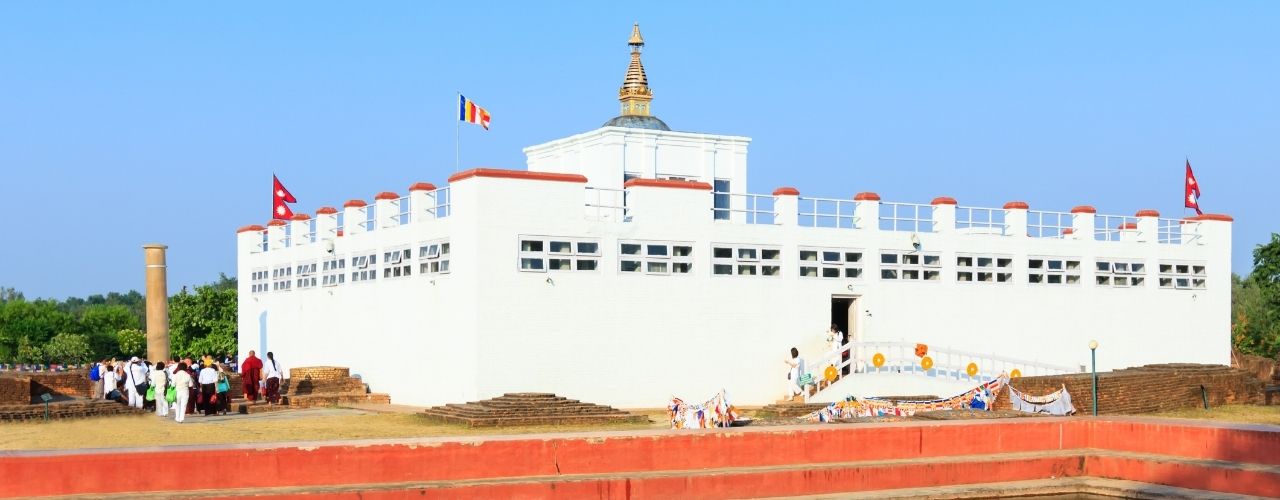
Lumbini lies in the Plain Terai region, in Nepal’s Rupandehi District of Lumbini Province. The inscription has testified it on the pillar erected by the Mauryan Emperor Asoka in 249 BC. The birthplace of Buddha is listed in the UNESCO World Heritage Sites and has been conserving the site.

The whole complex is an epicenter of Buddhist religion and pilgrimages all around the globe. One must visit the site once in a lifetime to seek peace, tranquility, and a deeper understanding of the world’s ancient religion.


The Significance of Lumbini

Queen Mayadevi of the Shakya Dynasty gave birth to a prince Siddhartha Gautam. He later left the palace and went on foot to seek an understanding of life. Later he Enlightened and became the Buddha. His teachings and spiritual sayings spread around the world. It is said that he also proclaimed that he was born in Lumbini. The place is sacred and is the holiest place for Buddhists all around the world.

Today, visitors and pilgrims come to Lumbini to pay respect to the Buddha. Many stay at the site, meditate, seek spiritual blessings, and absorb peace from the atmosphere.


What to See and Do in Lumbini?

There are many important sites to visit here, and they are:

Maya Devi Temple

The Maya Devi Temple consists of brick structures in a cross-wall system dating from the 3rd century BC to the present century. It is the birth spot of Buddha. Currently, it is being preserved and you cannot touch them but can see. The temple also has cravings and sculptures which show the life of Buddha.

Sacred Pond

The sacred pond is also called Puskarini, where Mayadevi is believed to have a bath before giving birth to Prince Siddhartha. The infant prince was also given the first purification bath here.

Ashoka Pillar

The Famous Ashoka Pillar of Lumbini was erected by the Indian Emperor Ashoka in 249 BC. It is written in Pali inscription in Brahmi script. It is one of the rarest and oldest records of the Buddha’s life.

Viharas

The archaeological remains of the Buddhist viharas (monasteries) and stupas (memorial shrines) from the 3rd century BC to the 15th century AD, provide important evidence about the nature of Buddhist pilgrimage centers from a very early period.

Monasteries

Different Buddhist countries have built 30-plus monasteries that showcase the interesting and unique architectural styles of their cultures. The monasteries are sites to see.

Peace flame

The eternal flame is a symbol of peace and unity, and keeps burning all the time. It has become the photo spot for all domestic and international tourists.


How to Get to Lumbini?

Lumbini is in the western part of Nepal. It is around 260 KM away from Kathmandu.

To reach Lumbini one can take a flight from Kathmandu to Bhairawaha Airport or Gautam Buddha International Airport. Which takes around 35 minutes.

You can also reach by bus from Kathmandu, Pokhara, and other cities via Bhairawaha.

You can also travel by crossing the Indian border Sunauli which is around 30 KM from Lumbini.


When to Visit Lumbini?

Lumbini is a year-round destination but as it is in the Terai region, it gets very hot during the summer season. So to avoid that you can visit from October to March which makes it the best time. The weather is cooler at this time of year.

The whole Lumbini Complex gets lit on the day of Buddha Jayanti. It is the day when Buddha was born and enlightened. It looks beautiful and many pilgrims come on this day.


Tips for Visiting Lumbini

Always wear modest dresses.

Remove your shoes before entering temples, monasteries, and sacred sites.

Respect local traditions and customs.

Avoid taking photographs of monks without their permission.

Drink water and bring your hat and sun cream, the sun might be harsh during the day.

Hire a local guide to understand more and have insights into the history of the place.


So why wait? Start planning your trip to Lumbini today! Dive deep into the history of Buddhism and seek a spiritual journey within.


10 Festivals in Nepal : You Must Experience

Festivals in Nepal: The Living Colors of Culture and Tradition

Nepal is a living museum, preserving history, traditions, rituals, and cultural heritages. The tapestry of festivals is well-preserved and attractively showcased. Festivals in Nepal combine emotions, colors, and music, to bring the community to celebrate faith and life. Let us understand the festivals and their importance in Nepal.

Here are 10 festivals in Nepal you must experience if you want to experience Nepal.

1. Dashain (Vijaya Dashami)

2. Tihar (Deepawali)

3. Chhath

4. Maha Shivaratri

5. Maghe Sankranti (Maghi)

6. Indra Jatra

7. Bisket Jatra

8. Gai Jatra

9. Teej

10. Holi


Let’s celebrate them:

1. Dashain (Vijaya Dashami)

Dashain is the most auspicious and most anticipated festival in Nepal. It is celebrated by Nepalese Hindus all over the world. It is 15 days 15-day-long celebration of the victory of good over evil. Dashain honors Goddess Durga who defeated the demon Mahisashur. Although these festivals are connected with a particular religion, their symbolic meaning is deeply rooted in Nepalese society. Despite their religious beliefs, people of every ethnicity celebrate Dashain and Tihar with the same joy and excitement. The two festivals fall in the autumn season and are observed as the longest festival holiday. It usually takes place in September or October. The festivities include flying kites, playing linge ping (swing made of bamboo), animal sacrifices, putting tika on foreheads, and feasting with family and friends.


2. Tihar (Deepawali)

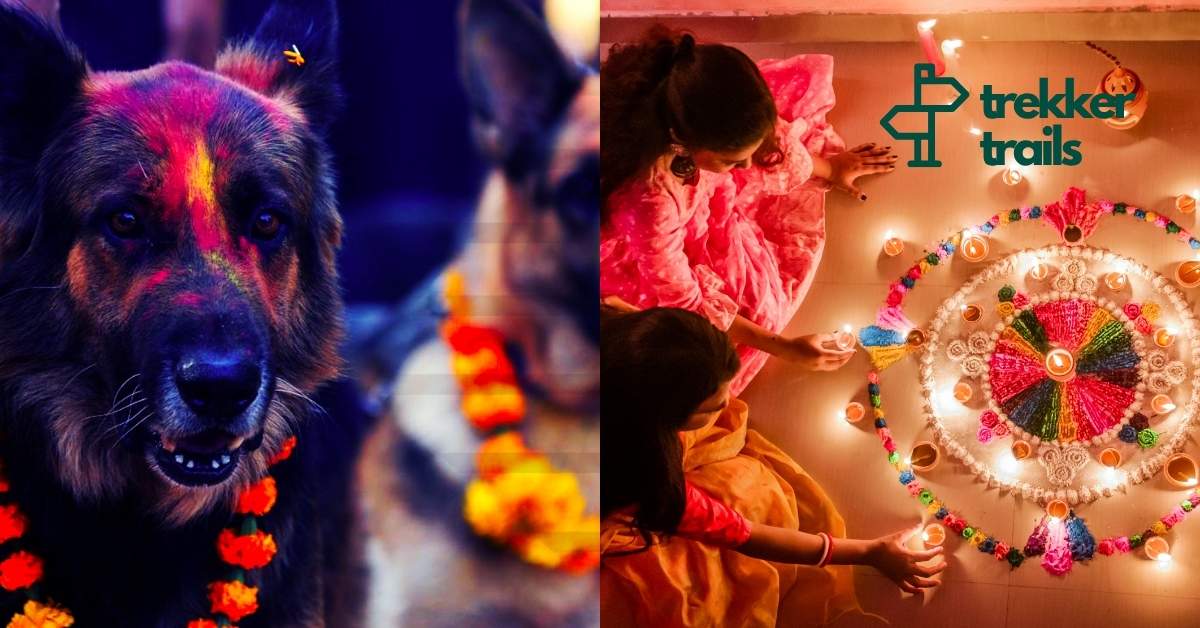
After two weeks of Dashain comes Tihar- the festival of lights and flowers. It is a five-day celebration of joy and reverence in Nepal. It usually falls in October or November and honors the animals that are integral to Nepalese life. Animals include crows, dogs, cows, and oxen. The houses are decorated with rangoli designs, marigold garlands, and diyos (oil lamps). This symbolizes the victory of light over darkness. On the last day of Tihar, sisters worship their brothers and bless them for their long and prosperous lives.


3. Chhath

Chhath is celebrated after the six days of Tihar, on the sixth day of the lunar month of Kartika (October–November) in the Hindu calendar Vikram Samvat, which is hence also called Surya Shashti Vrata. It is mostly celebrated in the Terai region of Nepal, which involves offerings to the sun during the rise and set. This includes taking the holy dip in the rivers or ponds, fasting, and standing in the water for a long time. In addition to the Sun god, Chhathi Miaya (goddess) is worshipped for the well-being of the children and their long lives. This ancient festival dates back to the Vedic period and highlights the strong community bonds and cultural pride as people come together to celebrate and express their devotion to the sun god.


4. Maha Shivaratri

One of the principal deities of Hinduism, Lord Shiva is honored in this festival. Sages and worshipers believe on the day of Shivaratri; the stars are at an optimum position raising spiritual energy. So it is the night of spiritual significance. It is considered as the unification of masculine and feminine energy. Maha Shivaratri is marked as the marriage of Lord Shiva and Parvati. This festival is celebrated on the 14th day of the dark fortnight in Falgun (February or March).

On this day, thousands of Hindu devotees visit the holiest shrine of Hindus, the Pashupatinath temple, which is also considered the protector of Kathmandu Valley and Nepal. For this festival, the Pashupatinath temple is covered with flowers. Numerous Sadhus come from India to pray at Pashupatinath and perform Lord Shiva’s spiritual Tandav dance on this day. Since it’s a night festival, devotees celebrate the whole night, chanting and praying for light over darkness. At home, people gather together, light bonfires, and prepare holy meals on Shivratri.


5. Maghe Sankranti (Maghi)

Maghe Sankranti is celebrated on the Nepalese calendar’s first day of the month of Magh (mid-January). The festival marks the end of the winter solstice and the beginning of longer days. The festival hopes to bring the end of the cold season and expects warmer weather and better days of health and fortune. It is a time of family gatherings and feasting on traditional foods like sesame seeds, molasses, ghee, and yam. The festival also involves taking holy dips in rivers and offering prayers to deities for prosperity and good health.

Further, the same day is observed as Maghi- in the Tharu community in the Terai region. It is their new year. Maghi is one of the biggest festivals and is celebrated with much enthusiasm, featuring traditional dances, communal feasts, and dressing up in traditional dress.


6. Indra Jatra

The Newar community of the Kathmandu Valley celebrates this Jatra full of excitement and devotion. It is the most awaited and revered festival of the community. It is a seven-day celebration that marks the beginning of the two greatest festivals of the Hindu Nepalese, Dashain, and Tihar. It is an eight-day-long Jatra festival that falls in September. It is celebrated to commemorate the time when Indra came down to earth; as per Hindu mythology, Indra is the King of Heaven.

The Jatra begins with the erection of a wooden pole made of pine with a flag on its top at Basantapur Square in front of the old Hanuman Dhoka Palace. Further, the chariot of Living Goddess Kumari is taken out for procession on the street of Kathmandu. It is followed by two other smaller chariots carrying a representative of Ganesh and Bhairav is taken to different parts of the old Kathmandu through the narrow alleys where people gather to watch and pay homage. Thousands of spectators gather to see the joyful procession led by masked dancers known as Lakhey. The festival of Indra Jatra ends with the lowering of the (lingam) pole bearing Indra’s flag amidst religious ceremonies.


7. Bisket Jatra

Bisket Jatra, celebrated in Bhaktapur, is a nine-day extravaganza that marks the beginning of the Nepalese New Year. This festival is a rich tapestry of tradition and legend. This showcases the rich cultural heritage of Bhaktapur. The raising of the pole “Yosin” at Bhaktapur Durbar Square, symbolizes the beginning of the festival. The crowds pull the chariot with the statues of deities Bhairab and Bhadrakali, through the streets of Bhaktapur. This reflects the symbolic struggle between good and evil. The unique and dramatic ritual of tongue-piercing is performed during the festival. It is also called Bode Jatra. This demonstrates endurance and devotion. On the final day, participants joyfully throw vermilion powder (sindoor), which paints the streets as a sea of red. This is called “Sindoor Jatra” and signifies good fortune and celebration. The highlights of the festival are a chariot procession, traditional dances, and musical performances. They not only mark the beginning of a new year but also enhance the festive atmosphere, foster a deep sense of community and unity, and preserve the cultural heritage of Bhaktapur.


8. Gai Jatra

Gai Jatra means ‘Fair of Cows’. This jatra is performed by the Newar community as the remembrance and mourning of the death of a loved one in the past year. The most distinctive feature of this festival is the procession of cows, often accompanied by people dressed in colorful costumes and unconventional attire. The participants in the procession lead a decorated cow or young children dressed as a cow and honor the deceased. It is believed that the processions of cows will guide the souls to their afterlife. The festival takes place in August or September in Kathmandu.


9. Teej

Occurring around August, Teej is a festival celebrated by women all over Nepal for three days. Decked up in red sarees and red tika, bangles, women sing and dance to traditional folk songs for days. It is especially significant for married women when they get a special invitation to visit their maternal home and feast.

Following a long feast also known as Dar, the women, sit for a 24-hour long fasting, where most do not eat or even drink water. What is fascinating is to watch women of all age groups, young and old, dance for hours in the heat, and rain, without a drop of water or food for an entire day. The significance of such a festival is for women to ask for special blessings from Lord Shiva, to find a good husband in life, and to pray for his longevity and prosperity.

On the final day of this three-day festival, Women satisfy seven saints by offering them food, money, and various offerings, and also bathing with Red mud, and brushing their teeth with Datiwan (branches of a bush tree) hoping this purifies their body and soul.


10. Holi

Holi is one of the most popular festivals all around the world. It is widely known for being celebrated in India, however, it is also celebrated in Nepal. The festival is celebrated in March, which marks the arrival of the season of renewal and rebirth, and victory of good over evil. People celebrate this festival by applying powder of colors to each other in exchange for happiness. People also throw colorful powders and water at each other. Friends and families come together and delve into the festival by dancing, sweet treats, and feasting. The colors turn the streets into a canvas of hues. In recent years, Holi has gained popularity even among tourists.


One added festival among Buddhist tourists is Buddha Jayanti.

11. Buddha Jayanti

Buddha Jayanti is a festival celebrated by Buddhists all around the world. As Nepal is the birthplace of Buddha, Nepal celebrates Buddha Jayanti as one of its grand festivals. It falls on the Full Moon Night of May or June. This festival commemorates the birth, enlightenment, and passing of Lord Buddha. On this auspicious day the followers of Buddha and Buddhists all over the world like to pilgrimage to the birthplace of Buddha, Lumbini, Kapilvastu. The monks come and pay their homage to Buddha. They meditate and chant their mantras. Maya Devi temple is decorated with lights and flowers. The Buddhist monasteries, chaityas, and gumbas are decorated and crowded with numerous visitors on Buddha Jayanti. It is a sight to witness.

These are some of the important and popular festivals of Nepal. The list is far from complete, as many more festivals are observed all over Nepal. Different community celebrates their festivals in their own time. There are more festivals than the days in a year.

So if you want to dive deep into the festivals, cultures, and traditions of Nepal, contact Trekker Trails, we have Nepal Cultural Tour 11 DAYS,  Nepal Best Cultural Tour 09 DAYS.

How to Spend a Day in Kathmandu: The Ultimate Itinerary

A Day in Kathmandu

Welcome to the ultimate guide on how to spend a day in Kathmandu!

You’re mistaken if you think Kathmandu is a small valley. My friend, let me surprise you: “Out of 8 UNESCO World Heritage Sites, there are 7 of them in Kathmandu.” Most tourists stop here as a point to stay at the beginning or end of the trek.

So, if you have limited time here, I would like to help you with the best 24-hour experience in Kathmandu.

Buckle up and walk with me; we have a day only!!


Your one-day itinerary:

  • Early Morning Mountain Flight
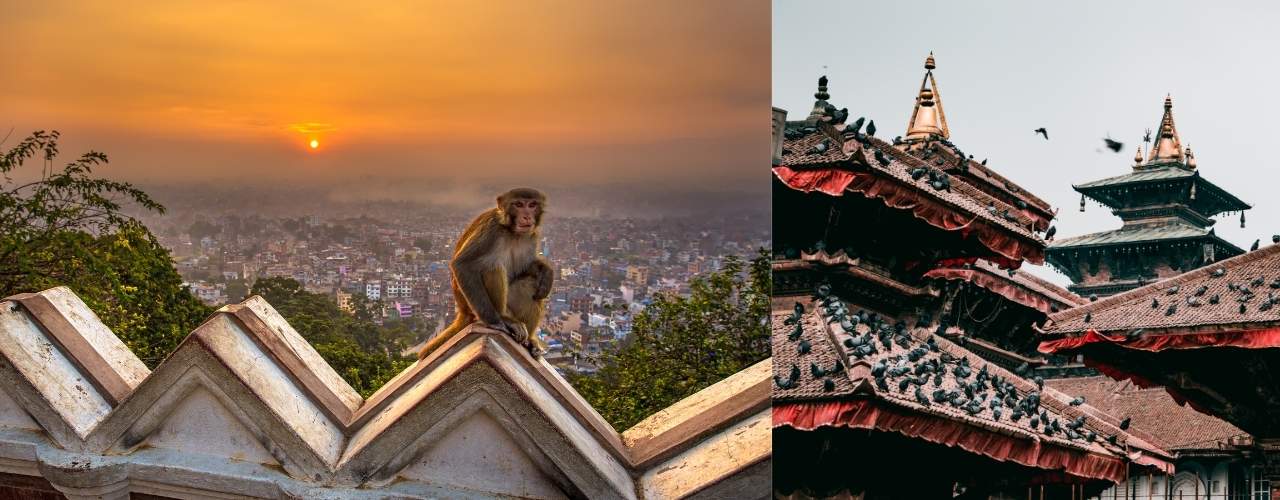
  • City view from Monkey Temple
  • Local breakfast at Basantapur
  • Kathmandu Durbar Square Sightseeing
  • Heritage walk at Patan Durbar Square
  • Local Newari Cuisine Lunch
  • Pashupatinath Sightseeing
  • Evening at Boudhanath Stupa
  • Dinner with a View
  • Nightlife at Thamel


This is how you spend a perfect day in Kathmandu.

Early Morning Mountain Flight

Let’s kick off your day with the most stunning view you will ever witness—board an hour-long mountain flight. Put on your seat belt and observe the world’s highest peak upfront. You will fly above the clouds and giant snow-capped peaks and view breathtaking mountain ranges. Viewing Mount Everest so close is hands-down the best experience you will have.

The flight starts at 06:15, so your vehicle will pick you up at 05:30 from your hotel.

City View from Monkey Temple

After your flight, you will be headed to Swoyambhunath Stupa. It is popularly known as the Monkey Temple among tourists. The stupa sits atop a hill overlooking the city. Usually, people take the stone staircase (with 365 steps) to reach the top. You can spend hours looking at the view and exploring the temple, its beautiful architecture, cravings, and prayer flags.

Local Breakfast at Basantapur

The morning ritual revolves around freshly boiled and brewed chiya, with or without milk, with enough sugar to kick start anyone’s heart. Sel roti, donuts, gwarmari, malpuwa, jeri-swari, haluwa, and many more are on the typical breakfast menu in Kathmandu. Here, breakfast may not be the most significant meal of the day or considered even a meal, but these are still enough to pull you out of bed. Combining this food with hot chiya is a delicious way to hold one over till lunch.

Kathmandu Durbar Square Sightseeing

After breakfast, you will walk around Kathmandu Durbar Square. It is the most beautiful, and Durbar Square is situated in the heart of the city. You will be amazed by its cultural importance. The square holds important significance in the history of Kathmandu. There is a living goddess (Kumari) in the square too. Spend about 1-2 hours exploring the square and taking in its intricate architecture and rich history. Check out Kumari Ghar and the Taleju Bhawani Temple. If you have time, take a stroll down Freak Street before catching a ride out to Patan.

Heritage walk at Patan Durbar Square

One of the ancient cities Patan, also known as Lalitpur holds a significant place in preserving and promoting the history and culture in the valley. Explore the alleyways of Old Patan, stopping by courtyards and temples along the way. Highlights include the Hiraṇyavarṇa Mahāvihāra (also referred to as The Golden Temple, but it’s neither gold nor a temple) and the Mahaboudha Temple, which has hundreds of little Buddha statues. There are many other architecture and buildings to see, but you cannot miss the splendid Krishna Mandir built in 1637 by Malla King. It is a Shikhara-style temple constructed from a carved stone. The Patan Museum displays information and artifacts relating to the Kathmandu Valley’s traditions and culture. It is considered to be the best museum in Nepal.

Local Newari Cuisine Lunch

The restaurant in the garden at the back of the museum sells excellent dal bhat (Nepali lentils, rice, and curry). Do as the locals do and enjoy a leisurely lunch. You can also enjoy the delicacy of Newari Cuisine. Some popular dishes in Newari cuisine include Chatamari, Yomari, Bara, Samay Baji, etc. Newari cuisine is widely popular among the Newars as well as people outside of the Newar community. Thus, many restaurants today include Newari cuisine in their menu. The aroma of spices will stay in your taste buds.

Pashupatinath Sightseeing

After your lunch, you will head to Pashupatinath Temple. It is the holiest Hindu site in Nepal. Hindus all around Nepal, India, and other countries visit this temple once in a lifetime. Many people come here to die, as they believe you go directly to heaven from here. Non-Hindus are not allowed inside the temple. There are many other temples outdoor to explore. Temple is situated on the bank of the Bagmati River. There are many temples around and cremation ghats on the bank of the river. You can witness the dead body burning on fire as it is the ritual in the Hindu religion. You can cross the river and get a clear and closer view of the East Side of the Temple.

Evening at Boudhanath Stupa

For the evening you will head to Boudha. Boudhanath Stupa is one of the largest stupas in the world. It is an important pilgrimage site for Buddhists all around the globe. You will spend more than 2 hours here, taking in the stunning architecture, spinning the prayer wheels, and soaking up the peaceful atmosphere. You will visit many monks around the stupa. There are monasteries too nearby. You can visit those, meditate, and give yourself time for prayers. The stupa looks so amazing and the atmosphere gets more pleasant as time passes.

Dinner with a View

Won’t it be the best time to enjoy the dinner with that view?

There are many rooftop restaurants around the stupa for the view. The foods here are influenced by the Tibetan culture. The momo (dumplings), and spicy keema noodles are best found here in the town. You can also enjoy Nepali cuisine and other international cuisines with a close view of the stupa.

Nightlife at Thamel

After your dinner, it is time to enjoy the nightlife of Kathmandu. And what is better than going to a place which never sleeps?

A buzzing, visitor-friendly area, Thamel is the city’s main nightlife zone. Bars blast out live music by cover bands, and lively eateries serve Nepalese and international dishes. It is the perfect place to hold your drink, enjoy the music, and stroll around. You will find all sorts of pubs, bars, and clubs here to sit and enjoy. Bar Hopping is the new trend in the city. You can try this too and drink signature drinks from different bars of the Thamel.

Here you’re a single-day tour in Kathmandu ends.

Few places in Kathmandu stay open after midnight.

No problem if you are staying at a hotel in Thamel or any other place, taxis travel all over town, and traffic is also practically nonexistent late at night.

Do you have a half day to spare? I would love to take you to the stunning sunrise and beautiful Bhaktapur city.

10 Things You Must Do in Nepal: Your Ultimate Travel Guide

Born and brought up in Nepal, I turned out to be a travel nomad in my own country—a traveler by passion and a Tourism Management student by profession. I always have a plus point to know where and when to travel. Explored the popular activities and also reached some of the hidden gems of Nepal.

Here, I will give you some pointers about 10 unforgettable things you must do in Nepal. This is a comprehensive Nepal Travel Guide.

Here you go, tick your bucket list, and capture them in your memories!!

Things to do:

1. Trekking in Sagarmatha Region

2. Annapurna Circuit Trek

3. Cultural Sightseeing at Kathmandu’s Heritage Sites

4. Wildlife Safari in Nepal’s First National Park

5. Adventure Activity in Pokhara; Paragliding

6. Rafting in Bhote-Koshi River

7. Visiting Patan City

8. Spirituality in Lumbini

9. World’s 2nd highest; Kushma Bungee

10. Mountain Biking in Kathmandu


Read it out:

1. Trekking in the Sagarmatha Region:

Trekking in the Sagarmatha/ Everest Region is the best activity to view the world’s highest peaks which include Mount Everest, Ama Dablam, and Lhotse. Your trek starts from Lukla and you will pass through many small Sherpa villages. You need to stay in Namche Bazaar to acclimatize to the weather and altitude. Namche Bazaar is the vibrant Sherpa market. It is a delight for the eyes to witness the scenery. EBC and getting to know the Sherpa culture will be the highlights for you during the trek.

It’s a challenging but rewarding adventure for trekking enthusiasts.

2. Annapurna Circuit Trek:

This is one of the Nepal’s most popular treks. The circuit offers diverse scenery, ranging from dense forests to alpine peaks. You will trek all around the Annapurna Massif. You will witness a variety of cultures that are somewhat influenced by Tibetan culture. It will be a new experience for you. While trekking you will pass small villages at the edge of hills, some terraced farming, and the highest mountain pass Thorang-La Pass. Reaching the Pass itself will be an experience to feel. You will also have the opportunity to view Dhaulagiri and Machhapuchhare.

It’s a comprehensive trek that showcases Nepal’s geographical and cultural diversity.

3. Cultural Sightseeing at Kathmandu’s Heritage Sites:

Did you know, that out of eight cultural heritage sites, there are seven in Kathmandu Valley?

Some of the UNESCO World Heritage Sites include Swoyambhunath Pashupatinath Temple and Boudhanath Stupa. Durbar Squares in the valley showcases its historical significance. The only Living Goddess is also resident inside the Durbar Square premises. I insist you go for a heritage walk in the valley. You will have a ball of a time and understand how rich the valley is in cultural and religious heritage. It will also be a great time for you to shop for souvenirs from local markets.

It’s an immersive experience of Nepal’s historical and spiritual heart.

4. Wildlife Safari in Nepal’s First National Park:

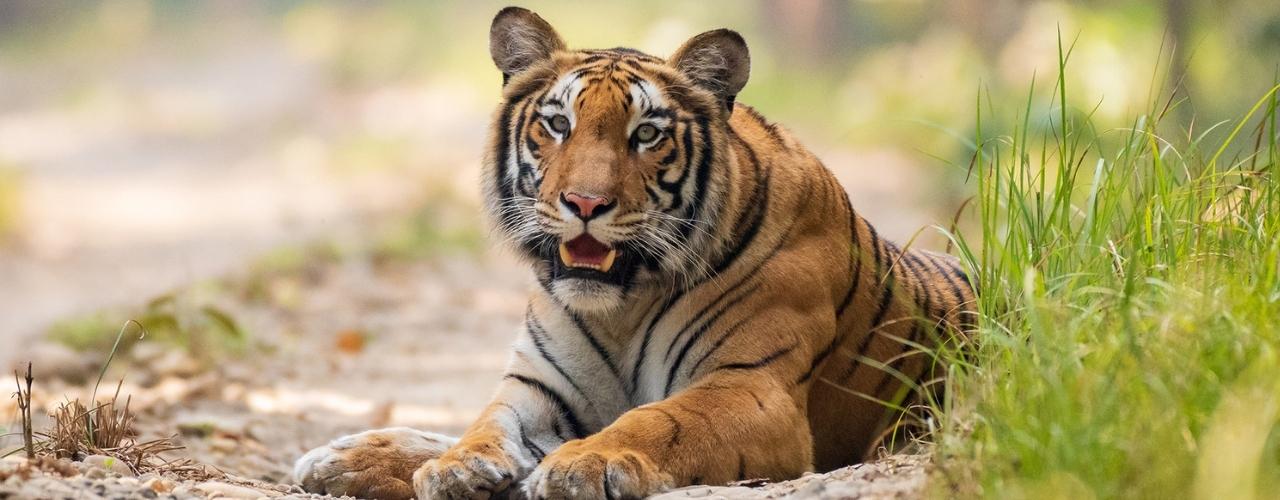
Being in Chitwan National Park also feels like you are in some other world. The park is the last surviving example of the natural ecosystems of the ‘Terai’ region and covers subtropical lowlands. Wildlife Safari, Jungle Walk, and canoeing in Rapti river are always full of surprise and excitement. If luck favors you, you will spot the one-horned rhinoceroses, Bengal Tiger, open-mouth crocodiles, and a variety of bird species. Do visit the Elephant Breeding Center, it is highly recommended for you. You will also witness the unique local Tharu Culture and its stick dance will hook you up.

It’s a perfect destination for nature lovers and wildlife enthusiasts.

5. Adventure Activity in Pokhara; Paragliding:

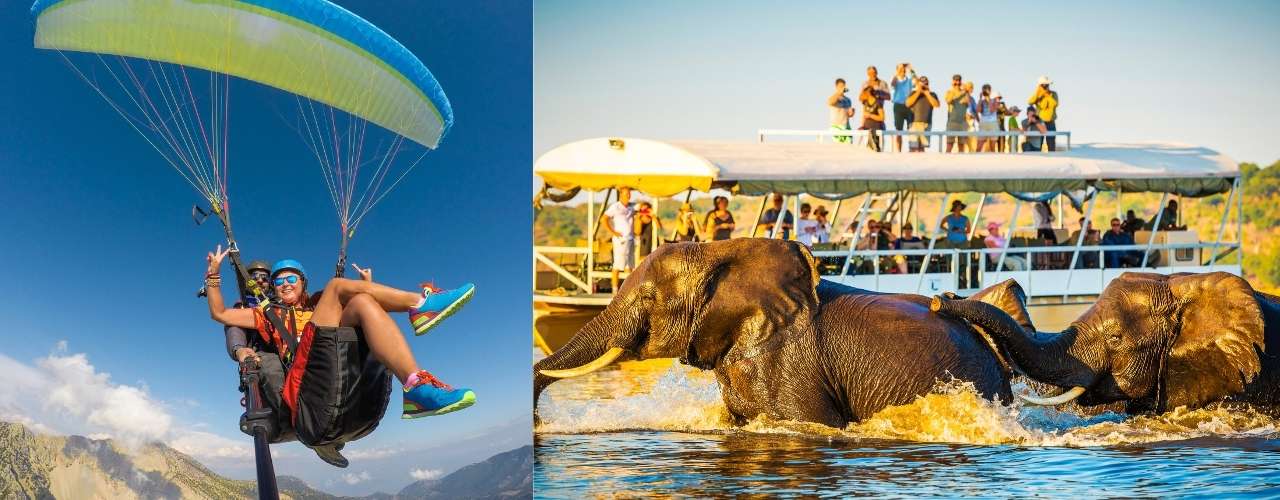
Pokhara is the gateway to the Mountains. But in my unpopular opinion, it is also the hub for adventure activity. And you must try Paragliding over Pokhara. The aerial view of Phewa Lake, and Annapurna Range is just wow. You will fly for about 30-45 minutes and you will remain mesmerized all the time. It is a thrilling activity and you can fly on your own if you are an experienced licensed Paraglider.

Pokhara’s favorable weather conditions ensure a safe and memorable experience.

6. Rafting in Bhote-Koshi River:

Till now you are aware Nepal is full of surprises. Likewise, the rivers in Nepal are also full of surprises. The popular Bhote-Koshi river is every adventurer’s dream for rafting. Its intense rapids and fast currents always pump you up. It is perfect for an adrenaline rush. But, you should always keep safety first and communicate with a professional guide ensuring a thrilling adventure.

It’s a must-do for adventure enthusiasts visiting Nepal.

7. Visiting the Patan City:

Patan City always takes me back to the time. The narrow streets of Patan, wooden architecture, and beautiful courtyards always work fine. Durbar Square here is also one of the UNESCO World Heritage Sites. It is one of the well-preserved and artistic heritage sites. Patan is popular for its metalwork, woodcarving, and local culture. I recommend you to visit there with a local guide, you will be in awe knowing its history and exploring untouched heritage.

It’s a city where history and artistry are intricately intertwined.

8. Spirituality in Lumbini:

The birthplace of Buddha, Lumbini is the perfect place for meditation and delving into self-reflection. Maya Devi Temple, an exact marking of the steps of Buddha, an Ashoka Pillar, and Monasteries by Buddhist Nations are major attractions of this site. You will find the tranquility during your stay here in Lumbini.

Lumbini’s spiritual atmosphere offers a profound experience for those seeking tranquility.

9. World’s 2nd highest; Kushma Bungee:

Every adventurer’s dream is to tick the box of Bungee Jump. What is a more exciting way than doing it in the world’s 2nd highest Bungee spot?

It is a 228-meter free fall. The jump over Kali Gandaki River Gorge will always provide an adrenaline rush and a breathtaking view of the natural surroundings. You will always be in safe hands as they have state-of-the-art equipment and experienced jumpmasters. They have other activities too and you can explore the thrill of observing nature from an adventure point of view. It is always an unparalleled experience for thrill-seekers.

It’s a premier destination for thrill-seekers in Nepal.

10. Mountain Biking in Kathmandu:

To view Kathmandu Valley from a different angle mountain biking is one of the ways. You will explore many hidden villages, ancient temples, and stunning viewpoints. There are various biking groups, you can join them and understand the trail. The journey will be a mix of challenges and scenic routes. The Route of Shivapuri National Park and the old trade route of Bhaktapur are popular among riders. The rugged route and terrain will challenge both noob and pro riders.

It’s an adventurous way to experience the region’s natural beauty and heritage.

Five bonus activities for you!

11. Attend Nepali Festival

12. Everest Heli-Tour

13. Rock Climbing

14. Try Authentic Nepali Cuisine

15. Relax by the Lakeside in Pokhara


11. Attending a Nepali Festival:

Do you know, there are more festivals in Nepal than the days in a year?

You must attend festivals, to experience and understand Nepal’s culture, unique rituals, and religious aspects. The festivals of colors, lights, and chariots always fascinate travelers in Nepal. You should not miss the Jatras if you are in town. These include Indra Jatra, Gai Jatra, Bisket Jatra, and Ghode Jatra. Dashain, Tihar, and Holi are some of the known festivals. The whole community comes to the gathering and is involved in singing, dancing, and wishing for happiness. It is always a sight to see.

Participating in a Nepali festival is a lively and enriching cultural experience.

12. Mountain Flights/ Everest Heli Tour:

Heli Tour is the best option for those who cannot trek or don’t have an ample amount of time. You will witness breathtaking aerial views of mountain ranges. Flyover EBC, Khumbu Glacier is the highlight of the tour. Passengers enjoy the panoramas of the Himalayas.

It’s an ideal option for those wanting to experience Everest’s grandeur without trekking.

13. Rock Climbing:

If you are an adventure seeker, Rock Climbing is the best activity. Nagarjuna Forest is a popular destination among rock climbing enthusiasts. The spot is perfect for every type of climber with different skill levels. There are different levels of climbing paths, and you can challenge yourself every time. The view is great as you reach the top of the rock. You are recommended to go there with an expert.

It’s a great way to experience outdoor adventure close to the capital.

14. Try Authentic Nepali Cuisine:

Dal Bhat, Newari specialties, and MoMo are hands down the best dishes you will have in Nepal. Nepali Cuisine is full of natural herbs and prepared with aromatic spices which enriches the flavors. For local and street food experience I recommend you go for a Food hunt and Food walk around the Basantapur area. You will be amazed by the flavors of foods you will eat during the food walk. From Spicy Chatamari to Sweet Sel roti, the Food Tour will offer an array of tastes. Also, go for a cooking class to make these dishes, you will love it.

Enjoying Nepali food offers insights into the country’s rich culinary heritage.

15. Relax by the Lakeside in Pokhara:

Just stroll around the lakeside, boat at Phewa Lake, or just relax by the lake, you will recharge yourself by the serene shores of Phewa Lake in Pokhara. It will always feel like it is a well-deserved break after coming from the trek. The beautiful sunsets and vibes at night hit you differently. The atmosphere becomes perfect for the trekker to relax and hold a can of beer. You can enjoy the songs and sit back in restaurants or cafes.

Pokhara’s lakeside combines natural beauty with a peaceful ambiance.

Lastly to conclude,

Nepal has so much to offer you. From lazy travel to continuous trekking, from thrilling adventure to soothing vibes Nepal has everything. The country has something to offer to every traveler. Add these 15 unforgettable things to do in your itinerary in Nepal and experience the world here.

So pack your bags, and get ready to board on the journey of a lifetime in the enchanting land of Nepal.

Here are a few popular tours of Trekker Trails you can look up to;

Nepal Multi-Sport Adventure,

Cultural Tour with Adventure, and

Nepal Best Cultural Tour.


Trekking in Nepal: Best Season to Do Trek

Trekking in Nepal: Unveiling the Optimal Seasons for Your Himalayan Journey

Nepal, a beacon for trekkers worldwide, boasts an array of landscapes from lush valleys to towering peaks, all inviting adventurers to explore its beauty. Trekking in Nepal is not just an activity; it’s an immersion into a world where nature and culture intertwine. The best season for your trek hinges on your chosen region and the trek’s specific challenges.

With Nepal’s varied climate zones, each season offers a distinct experience, making it vital to select your timing carefully. This comprehensive guide aims to simplify your planning process, ensuring you embark on your trek during the ideal season.

Spring Season (March to May)

Embrace the warmth of spring, an exemplary season for trekking in Nepal. As nature awakens, trekkers are greeted with temperate weather, blooming trails, and crystal-clear mountain views. This period is perfect for those looking to capture the Himalayas in full splendor, with day temperatures making for comfortable treks and nights that whisper the winter’s end with their chill.

During spring, the mountainsides dress in vibrant colors, notably the rhododendrons, Nepal’s national flower, creating a spectacular backdrop for trekkers. Wildlife begins to stir, offering nature lovers a chance to witness the rich biodiversity of the region.

Summer Season (June to August)

Summer, coinciding with the monsoon, presents a challenging yet rewarding time for trekking in Nepal. While the trails may be wet and visibility can be lower, the rain-soaked earth brings life to Nepal’s flora, transforming the landscape into a lush, green paradise. This season is an excellent time for those looking to explore the less-trodden paths and experience the raw beauty of the Himalayas without the crowds.

Autumn Season (September to November)

Autumn stands out as the most popular season for trekking in Nepal, offering stable weather and clear skies. The post-monsoon freshness leaves the air clean and the mountains visible in their full majesty. Trekking during this season is a visual treat, with the forests donning their autumnal hues and the high passes becoming more accessible.

Winter Season (December to February)

Winter offers a serene trekking experience with fewer travelers on the paths and snow-capped mountains creating a breathtaking landscape. While the colder temperatures and potential for snow limit high-altitude treks, lower elevation treks remain inviting, offering a peaceful retreat into Nepal’s winter wonderland.

Preparing for Your Trek

Regardless of the season, preparation is key to a successful and enjoyable trek. Researching your chosen trek, understanding the necessary gear, and considering the physical demands are essential steps. Local guides and porters can enhance your journey, providing insights into the culture and ensuring your safety along the way.

Trekking in Nepal: A Journey of Discovery

Embarking on a trek in Nepal is to step into a world of unparalleled beauty and challenge. From the verdant trails of spring to the snowy paths of winter, each season offers a unique perspective on the majestic Himalayas. By choosing the right season for your adventure, you can ensure an experience that resonates with your spirit of exploration and love for nature.

“Explore Nepal Travel: Discover the Majesty of the Himalayas, Rich Culture, and Adventure”

Discover the Unforgettable Journey of Nepal Travel

Nepal travel offers an unparalleled journey into a land of breathtaking landscapes, ancient traditions, and diverse cultures. This South Asian country is a haven for adventurers, spiritual seekers, and nature lovers alike. From the towering peaks of the Himalayas to the rich tapestry of cultural heritage, Nepal invites travelers to explore its myriad treasures.

Himalayan Majesty: The Heart of Nepal Travel

Home to eight of the world’s 14 highest peaks, including Mount Everest, the Himalayas are the crown jewel of Nepal travel. These majestic mountains captivate with their towering peaks and enchant visitors with pristine alpine landscapes. Trekking through the Annapurna and Everest regions is not just about the physical journey; it’s an immersive experience through Sherpa villages, monasteries, and breathtaking panoramas, offering both physical challenges and spiritual rejuvenation.

Rich Cultural Heritage: A Tapestry of Time

Nepal’s cultural heritage, woven with ancient temples and palaces, offers a glimpse into the nation’s storied past. In the Kathmandu Valley, UNESCO World Heritage Sites like Swayambhunath, Pashupatinath, and Bhaktapur Durbar Square stand as testaments to exquisite architecture and centuries-old traditions. The vibrant streets, alive with the echoes of rituals and the intricate artistry of Newar craftsmanship, enrich the Nepal travel experience.

Diverse Ethnicities and Traditions: The Soul of Nepal

With over 120 ethnicities and languages, Nepal is a melting pot of cultures, each contributing unique traditions, festivals, music, and dance. From the Gurungs of the Annapurna region to the Tharus of the Terai, the diverse ethnic groups of Nepal offer warm hospitality and distinctive cultural practices, enhancing the fabric of Nepal travel.

Wildlife Sanctuaries: Beyond the Mountains

Nepal’s natural beauty extends beyond its mountains to several national parks and wildlife reserves. Chitwan National Park, a UNESCO gem, provides a sanctuary for iconic species like the one-horned rhinoceros and Bengal tigers, making it a must-visit for nature enthusiasts and birdwatchers on their Nepal travel journey.

Spirituality and Buddhism: A Journey Within

The spiritual ambiance of Nepal, the birthplace of Siddhartha Gautama, the Buddha, adds a profound dimension to Nepal travel. Lumbini, the sacred garden of Buddha’s birth, and numerous monasteries and stupas across the country, offer spaces for reflection and meditation, showcasing the harmonious blend of Hinduism and Buddhism.

Adventure Activities: Thrills Amidst Nature

Nepal’s diverse topography makes it an adventure playground, offering more than just trekking and mountaineering. White-water rafting, paragliding over Pokhara, and jungle safaris in national parks like Bardiya fuse adrenaline-pumping activities with stunning landscapes, making every moment of Nepal travel thrilling.

Travel Tips for Exploring Nepal

Embarking on a journey to Nepal? Consider visiting during the autumn and spring seasons for the best weather. Pack layers for the mountains, and don’t forget essential items like a good pair of hiking boots and a water purification system. Embrace sustainable travel practices to preserve the beauty of Nepal for future generations.

Culinary Journey Through Nepal

No Nepal travel experience is complete without indulging in the local cuisine. Sample traditional dishes such as momos (dumplings), dal bhat (lentils and rice), and Newari snacks to savor the flavors of Nepal.

Local Festivals and Events

Immerse yourself in Nepal’s vibrant culture by participating in festivals like Dashain, Tihar, and Holi. These celebrations offer a unique insight into the country’s traditions and provide unforgettable memories of your Nepal travel adventure.

Environmental and Leave No Trace (LNT) Guidelines

Principles of Leave No Trace, a topic in the remote wilderness, offer comprehensive practices for minimizing impacts in various settings. To reduce their impact on the environment and protect ecosystems, outdoor enthusiasts follow the Leave No Trace philosophy. These guidelines promote responsible and sustainable outdoor recreation, preserving natural beauty and habitats for future generations. Leave No Trace regularly updates its principles with the latest insights from research, ensuring they remain relevant in the field of outdoor education. Here are the seven Leave No Trace principles:

Plan Ahead and Prepare:

  • Understand the regulations and guidelines for the area you’re visiting.
  • Obtain all necessary permits and prepare for emergencies.
  • When planning a trip, consider how it will affect the environment and other visitors.

Travel and Camp on Durable Surfaces:

  • To prevent causing harm to the soil and vegetation, stay on designated trails and campsites.
  • In order to preserve riparian areas, camp at least 200 feet away from lakes and streams.

Dispose of Waste Properly:

  • Clear out all trash, leftover food, and litter.
  • Get rid of human waste in the designated catholes, which should be at least 200 feet away from water sources and 6 to 8 inches deep.

Leave What You Find:

  • Remember to preserve cultural and natural elements as they exist.
  • Never pick plants, annoy wildlife, or damage trees or rocks.

Minimize Campfire Impact:

  • Instead of starting a fire to cook over, use a camp stove to avoid leaving scars on the surrounding area.
  • If fires are approved, use established fire rings, keep fires small, and burn only small sticks and branches.

Respect Wildlife:

  • Keep your distance from animals and avoid giving them food.
  • Store food safely to avoid attracting wildlife to your campsite.

Be Considerate of Other Visitors:

  • Reduce your volume and honor the peace and quiet of the outdoors.
  • Respect other hikers on the trail and show consideration for other outdoor enthusiasts.

Nutrition Guide for Trekking: Essential Tips for Energy & Health

Embarking on a trekking expedition is an exhilarating experience that tests your endurance and resilience. The right nutrition strategy is crucial for powering through the challenges and enjoying the journey. This nutrition guide for trekking offers comprehensive insights into optimizing your diet for the trek ahead, ensuring you’re well-prepared to tackle any trail.

The Vital Role of Nutrition in Trekking

A successful trekking experience hinges on meticulous preparation, with nutrition playing a pivotal role. Adequate nourishment ensures sustained energy, optimal performance, and quick recovery. This guide is designed to serve as your go-to nutrition guide for trekking, providing essential dietary strategies to support your adventure.

Essential Macronutrients for Trekking

Carbohydrates:

As the primary energy source for trekkers, carbohydrates should dominate your diet. Opt for complex carbs found in whole grains, fruits, and vegetables for energy that lasts. This nutrition guide for trekking emphasizes the importance of carb-loading before a long day on the trail.

Proteins:

Protein is critical for muscle repair and recovery. Incorporating a variety of proteins, from lean meats to plant-based options like lentils and tofu, ensures your muscles get the support they need. This guide recommends consuming a protein-rich snack within 45 minutes post-trek for optimal recovery.

Fats:

Healthy fats are a key energy source for longer, less intense treks. Sources like nuts, seeds, avocados, and olive oil not only provide energy but also support cell function and nutrient absorption, making them an integral part of this nutrition guide for trekking.

Hydration: The Cornerstone of Trekking Nutrition

Hydration affects not just physical performance but cognitive function as well. Water is essential, but on longer treks or in hot climates, electrolyte solutions can prevent imbalances. This guide stresses the importance of drinking before you feel thirsty to avoid dehydration.

Strategic Meal Planning

Before the Trek:

Begin with a breakfast rich in complex carbohydrates and proteins to set a strong foundation for the day’s exertions. Oatmeal with nuts and a side of eggs is an ideal start.

During the Trek:

Portable snacks like energy bars, fruit, and nuts provide quick, accessible energy. This nutrition guide for trekking suggests planning snack breaks every 1-2 hours to maintain energy levels.

Post-Trek:

Refueling with a balanced meal of carbohydrates and proteins aids in recovery. Consider meals like chicken stir-fry with vegetables and rice or a quinoa salad with chickpeas for plant-based trekkers.

Navigating Nutrition at High Altitudes

Altitude can affect your digestive system and appetite, making carb-rich foods more appealing and digestible. Increased fluid intake is also crucial to counteract the dry air and higher respiration rate. This nutrition guide for trekking advises paying close attention to your body’s signals and increasing your calorie intake as needed.

Special Dietary Considerations

For those with dietary restrictions or preferences, planning becomes even more critical. Vegetarians and vegans can meet their protein needs with a variety of plant-based sources, and everyone should consider a multivitamin to ensure no nutritional gaps. Safety and storage of food are paramount to avoid spoilage and illness.

Conclusion: Your Blueprint for Nutritional Success

Proper nutrition is the foundation of a successful trekking experience. By adhering to the principles outlined in this nutrition guide for trekking, you can ensure that your body has the necessary fuel and nutrients to thrive on the trail. Remember, individual needs may vary, so it’s important to listen to your body and adjust your nutrition plan accordingly. With careful planning and the right nutrition strategy, your trekking adventure can be both enjoyable and fulfilling.

Gear Recommendations

Trekking requires personal gear to cover long distances, often through diverse terrains and weather conditions. The size of your backpack depends on whether you have porters or not. Gear recommendations vary based on personal preferences, conditions, and environment. Tailor your gear choices based on weight and packability, especially for long distances.

The Most Essentials: Things You Must Take on Trek

Trekking Shoes

  • Hiking boots (Comfortable, durable, and suitable for the terrain)
  • Camp shoes (your reward after an exhausting day)

Backpacks

  • Sized appropriately for your trip with adjustable straps for comfort

Clothing:

Layered Clothing:

  • Base layer: Moisture-wicking fabric to keep you dry.
  • Insulating layer: For warmth in cold conditions.
  • Outer layer: Waterproof and windproof jacket.

Quick-dry Fabrics:

  • Choose clothing made from materials that dry quickly to stay comfortable.

Trekking Pants:

  • Lightweight, breathable, and comfortable pants suitable for varied terrains.

Headgear:

  • Hat or cap to protect from the sun.
  • Warm beanie for cold weather.
  • Sunglasses with UV protection.

Mandatory Accessories

Sleeping

  • Tent (necessary for treks with camping)
  • Sleeping bag (for most treks, a –15° bag will be sufficient.)

Personal Supplies

  • Sun screen
  • Hand sanitizer
  • Toiletries (toothbrush, toothpaste, deodorant, floss, etc.)
  • Face/body wipes
  • Lip balm

Accessories

  • Water purification (pump or tablets)
  • Water bottles
  • Trekking poles
  • Head lamp with extra batteries
  • Journal and pens
  • Camera with extra batteries
  • Daypack (for your rain jacket, snacks, camera, etc.)
  • Heavy-duty duffle bag (preferred by porters)
  • First Aid Kit (Basic supplies for minor injuries)
  • Multi-tool or Knife

Extras

  • Duct tape (fixes just about everything, at least temporarily)
  • Power bank (Keep your electronic devices charged)
  • Extra passport photos and photocopies of your passport

We're associated with