
All you need to know about Everest Region trek

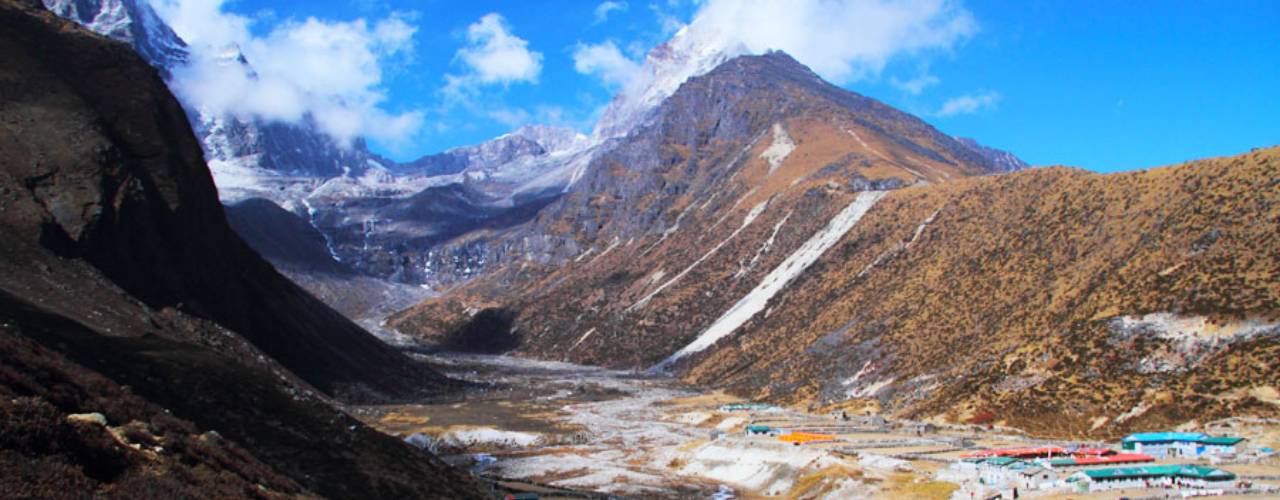
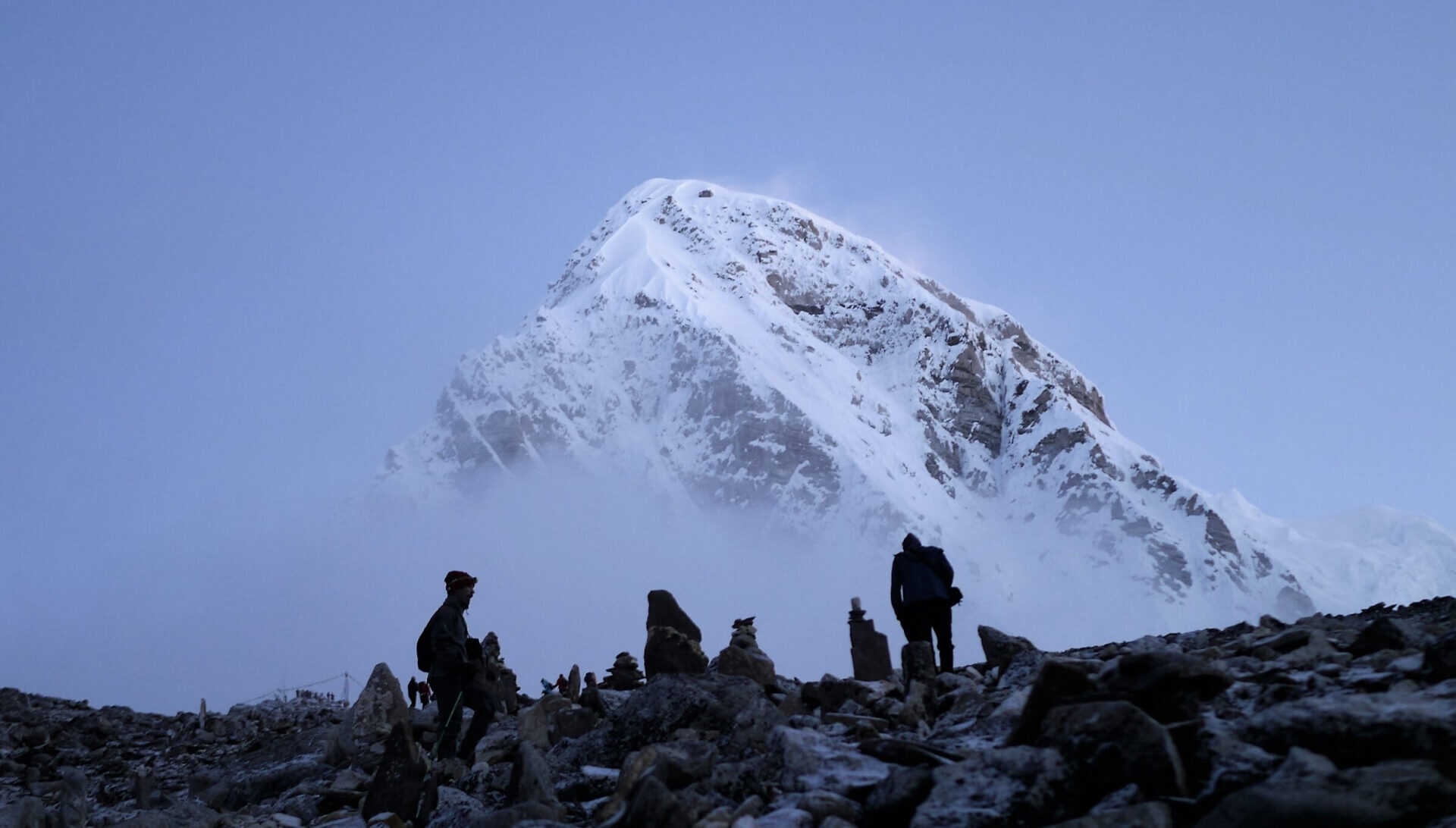
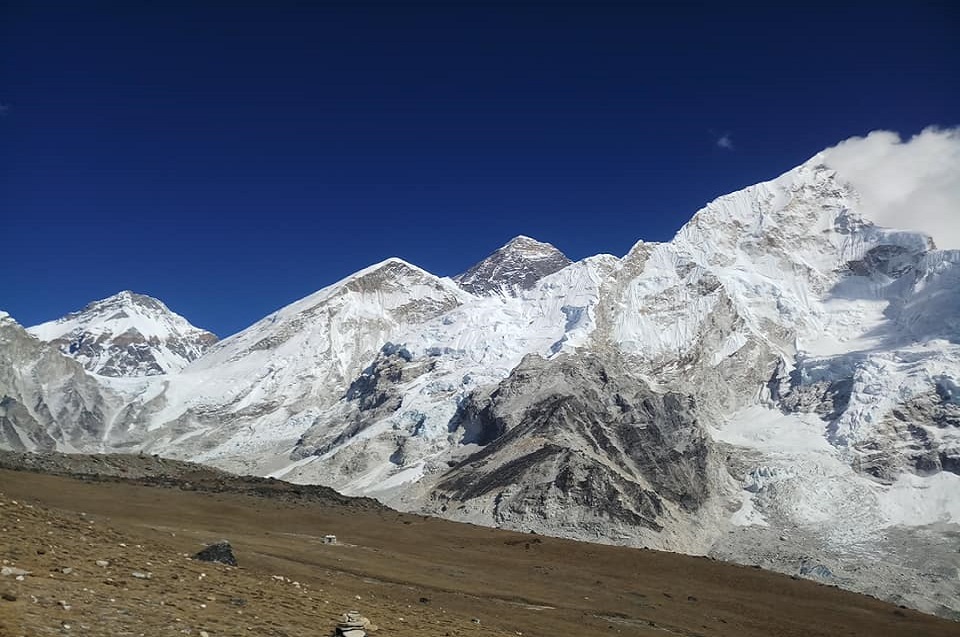
The Everest Region is situated in the northeastern part of Nepal. The region is named after Mt. Everest, the highest mountain in the world. The Everest Region trek is one of the most iconic and sought-after trekking destinations in the world, offering breathtaking landscapes, rich cultural experiences, and the chance to witness the world’s highest peak, Mount Everest. The Everest Region is home to diverse ethnic groups of Sherpa people. Trekkers can get the opportunity to explore the popular and charming Khumbu valley, which offers picturesque villages and terraced fields. The route passes from subtropical forests to alpine meadows with rich biodiversity and diverse flora and fauna in Sagarmatha National Park. Sagarmatha National Park, a UNESCO World Heritage Site, showcases diverse flora and fauna against the backdrop of towering peaks. The trail provides an opportunity to explore Buddhist monasteries, prayer flags, and traditional Sherpa culture. The Everest Region offers a unique blend of natural beauty, cultural richness, and adventure, making it a bucket-list destination for trekkers and mountaineers worldwide.

Few Popular Everest Treks

The Everest Region is renowned for its spectacular treks, offering stunning landscapes and the chance to witness the world’s highest peaks. Here are a few popular treks in the Everest Region:

Everest Base Camp Trek:

A classic journey that takes trekkers into the heart of the Khumbu region is the Everest Base Camp Trek. The trek starts with a scenic flight to Lukla and winds through picturesque Sherpa villages like Namche Bazaar, Tengboche, and Dingboche. Climbing through rocky paths, suspension bridges, and rhododendron forests, trekkers ascend the difficult terrain until they reach Mount Everest’s base camp, the highest peak in the world. The trail offers breathtaking views of Mt. Everest, Mt. Lhotse, Mt. Cho Oyu, Mt. Nuptse, and other snowcapped Himalayas and provides insight into Sherpa culture and traditions.

Gokyo Lakes Trek:

Discover the pristine Gokyo Valley and its turquoise glacial lakes on the fascinating Gokyo Lakes Trek. The trek includes a visit to Gokyo Ri, which provides stunning panoramic views of Mt. Everest, Mt. Cho Oyu, and Mt. Makalu. Trekkers follow the Dudh Kosi River, passing through traditional Sherpa villages like Namche Bazaar and Dole. A series of Gokyo Lakes, each with its own unique charm, make up this trek’s tranquility. The trek can also involve crossing the challenging Cho La Pass, adding an adventurous element to the journey, or choosing a simple route. It’s a more peaceful alternative to the Everest Base Camp Trek, offering peaceful landscapes and a chance to witness the region’s unique flora and fauna.

Three Passes Trek:

The Three Passes Trek is a challenging and exhilarating adventure that takes trekkers across three high mountain passes: Kongma La, Cho La, and Renjo La. This trek combines the greatest attractions of the Everest Base Camp and Gokyo Lakes treks. Trekkers experience the incredible beauty of Everest and its neighboring peaks, visit iconic landmarks like Everest Base Camp and Gokyo Ri, and cross challenging passes that offer breathtaking views. The trail also passes through remote Sherpa villages, providing a deep cultural immersion.

Everest Panorama Trek:

The Everest Panorama Trek, also known as the Everest View Trek, is a shorter yet rewarding journey. This trek is perfect for those with limited time who still want to experience the beauty of the Everest region. The trek starts with a flight to Lukla and includes a walk to the region’s cultural center, Namche Bazaar. Trekkers proceed to the Everest View Hotel, which offers incredible views of Mt. Ama Dablam, Mt. Everest, and other peaks. The trek provides a glimpse into Sherpa culture, passing through traditional villages and monasteries.

Pikey Peak Trek:

The Pikey Peak Trek is a less-traveled route that offers a unique perspective of the Everest region. This trek leads trekkers to the summit of Pikey Peak, known for its stunning sunrise and panoramic views of Mt. Everest, Mt. Makalu, and other massive Himalayans. The trail passes through rhododendron forests, charming villages, and terraced fields. Pikey Peak is a sacred site for the local Sherpa community, and the trek provides an opportunity to experience their traditions and hospitality.

Permits and regulations

While trekking in the Everest region of Nepal, trekkers need to have specific permits and follow regulations to ensure a peaceful and responsible trekking experience. The purpose of the permits is to facilitate conservation efforts, control the movement of trekkers, and offer security.

Sagarmatha National Park Permit

A Sagarmatha National Park Permit is a mandatory requirement for entering the national park, where the majority of the Everest Region trekking takes place. This permit can be obtained from the Nepal Tourism Board in Kathmandu or Monjo, the entrance gate to Sagarmatha National Park. The permit fee varies for foreigners and SAARC (South Asian Association for Regional Cooperation) nationals and is set by the National Park authorities.

Khumbu Rural Municipality Permit

Trekkers are also required to obtain a Khumbu Rural Municipality Permit. This permit is essential for trekking in specific areas within the Khumbu region. The Khumbu Rural Municipality Permit can be obtained at the Khumbu Pasang Lhamu Rural Municipality office in Namche Bazaar.

TIMS (Trekkers’ Information Management System) card

While the TIMS card is a common requirement for trekking in Nepal. It is issued by the Tourism Board and serves to keep records of trekkers for safety and security purposes. Trekkers can obtain the TIMS card through the Tourism Board office or authorized agencies.

Best time to trek

The best time to trek in the Everest region is during the spring and autumn seasons. Trekking is most popular during the spring, which runs from March to May. The weather is stable, with clear skies and comfortable temperatures. The rhododendron blooms give the landscapes vivid colors during this time, and the views of Everest and the surrounding peaks are at their best. Another great time to go trekking is in the autumn season, which lasts from September to November. At this time of year, the weather is clear and crisp. The mild weather and mostly dry trails offer superb views of the breathtaking Himalayan vistas. Both seasons provide a rewarding trekking experience with pleasant weather, making them ideal for exploring the Everest region’s diverse landscapes and cultural treasures.

Accommodation and facilities

In the Everest region, trekkers can find accommodation in the form of teahouses and lodges along the trekking routes. These accommodations provide simple but cozy amenities, such as private rooms with shared bathrooms or dorm-style accommodations. Teahouses are an important part of the trekking experience, providing a warm and friendly atmosphere. They typically serve meals, including traditional Nepali and international dishes, and some may offer facilities like hot showers and charging stations for electronic devices. Teahouses support the local economy and provide a special chance for cultural exchange with the welcoming Sherpa communities, although the degree of comfort varies, particularly at higher altitudes. In more developed areas like Namche Bazaar, better facilities such as internet cafes, bakeries, and even some small shops catering to trekking gear needs can be found. Trekkers are advised to be flexible and adaptable to the available amenities, embracing the simplicity of mountain life during their trek in the Everest region.

Fitness and altitudes

Trekking in the Everest region demands good physical fitness due to the challenging terrain and varying altitudes. Acclimatization to high altitudes is crucial, with Everest Base Camp situated at 5,364 m and passes like Cho La Pass, Renjo La Pass, and Kongma La Pass reaching even higher elevations. Trekkers should allow time for acclimatization, stay hydrated, and be aware of symptoms related to altitude sickness to ensure a safe and enjoyable journey.

Guides and Porters

When trekking in the Everest region, hiring local guides and porters is highly advised. Experienced guides ensure safe navigation and offer valuable knowledge of the culture and terrain, while porters lighten the load so that trekkers can enjoy the experience. The livelihoods of the local communities are supported by hiring these local experts, who also improve the trekking experience.

Packing Essentials

Because the weather can be quite unpredictable, bring reliable clothing for various weather conditions. It is necessary to wear sturdy trekking shoes with good ankle support. A first aid kit, sunscreen, a hat, trekking poles, water purification tablets, a backpack, a hat, and a warm sleeping bag appropriate for the altitude are additional necessities.

Respect Local Culture

Since Nepal is a culturally diverse country, respecting local customs is important. Learning a few basic phrases in Nepali, dressing modestly, and obtaining someone’s permission before taking their photo are all examples of displaying cultural sensitivity. Several villages have old temples and monasteries. While visiting these places, observe local customs and regulations.
All you need to know about Annapurna Region trek

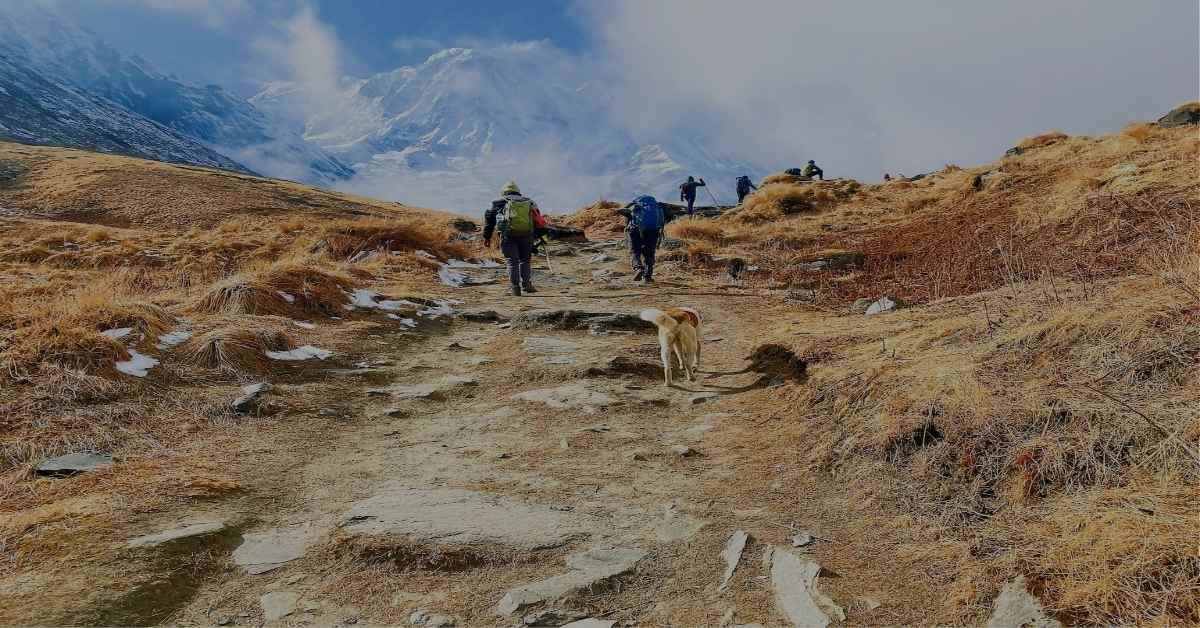
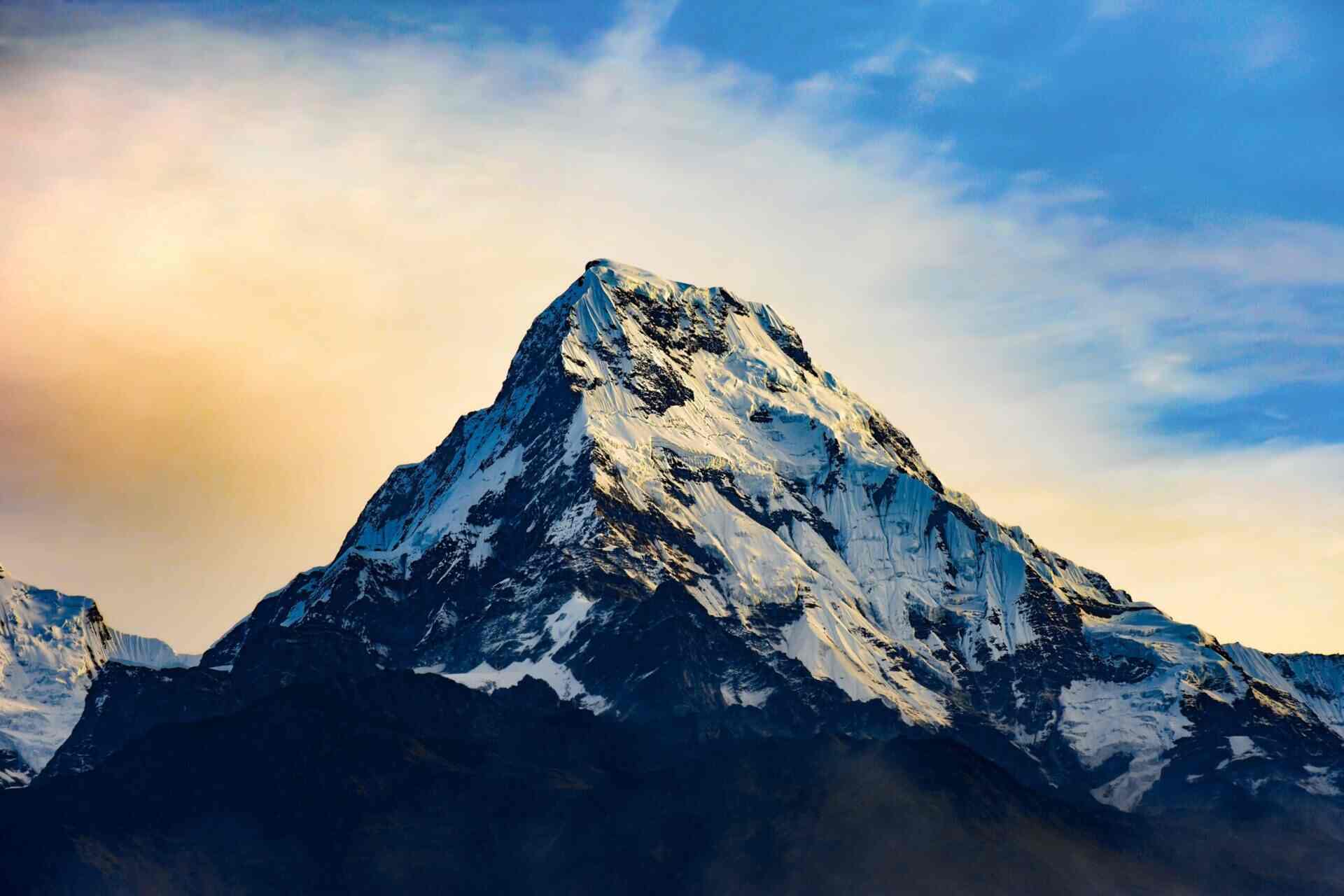
The Annapurna Region is one of the most popular trekking destinations in Nepal, offering a diverse range of landscapes, cultures, and stunning views of the Himalayas. The Annapurna Region is situated in the central part of Nepal. The region is named after Annapurna, a range of peaks in the Himalayas, including Annapurna I, the 10th highest mountain in the world. This region offers spectacular views of the Annapurna region, the Dhaulagiri range, Mt. Machapuchare, and many more Himalayan ranges. The Annapurna Region is home to diverse ethnic groups, including Gurung, Magar, Thakali, and Manangi people. Easy treks to challenging high-pass treks can be done in the Annapurna region. Trekkers can get the opportunity to explore the popular charming village with traditional stone houses or the less-visited traditional village with unique landscapes. The route passes from subtropical forests to alpine meadows with diverse ecosystems. Trekkers can get a chance to encounter wildlife, including various flora, fauna, and bird species, as well as the elusive snow leopard.

Few Popular Annapurna Treks

The Annapurna Region in Nepal offers a variety of renowned treks, each with its own unique features and attractions. Here are a few popular treks in the Annapurna region:

Annapurna Circuit Trek

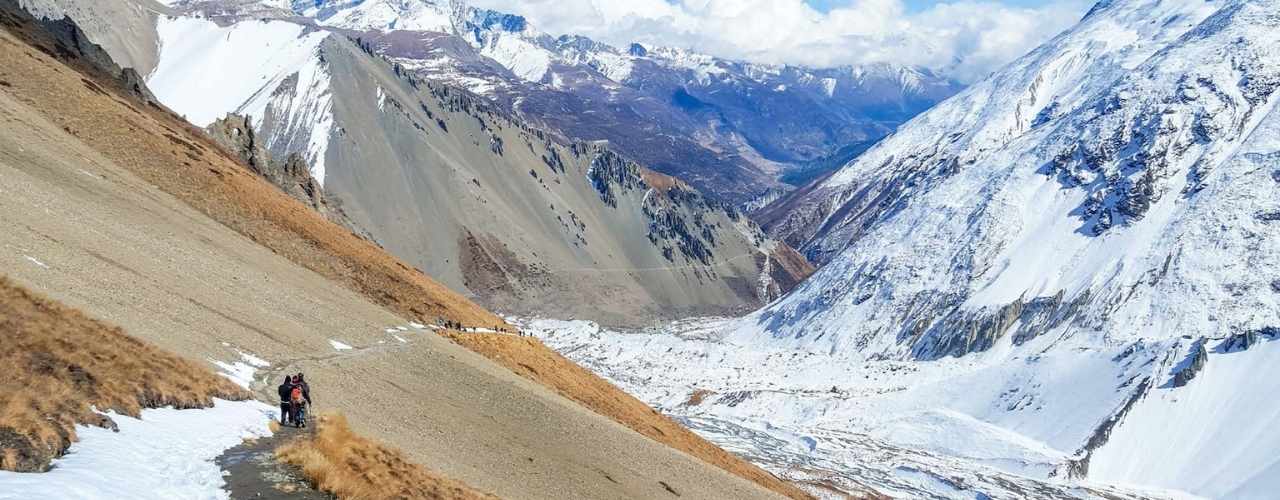
A popular trek that routes around the Annapurna Massif is the Annapurna Circuit Trek. Starting from Besi Sahar, the trail traverses through diverse landscapes, including subtropical forests, terraced fields, and high-altitude deserts. The highlight of the trek is the challenging Thorong La Pass (5,416 meters), offering breathtaking panoramic views of the Annapurna and Dhaulagiri ranges. The circuit offers a rich cultural experience as it passes through traditional villages home to the Gurung, Thakali, and Manangi communities.

Annapurna Base Camp Trek (ABC)

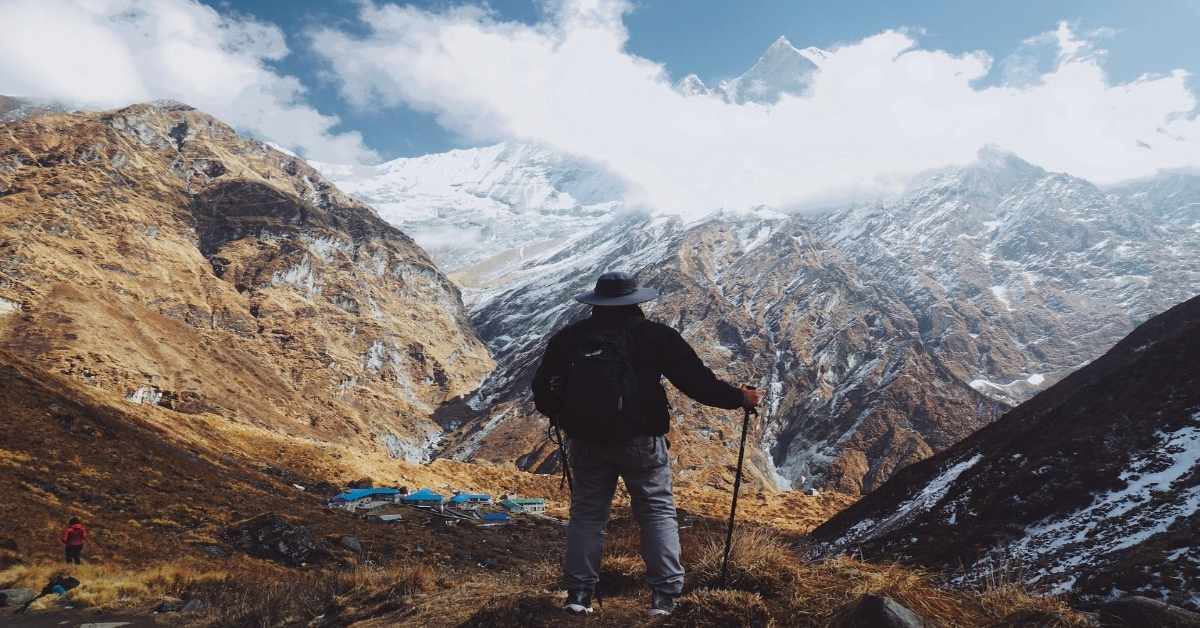
The Annapurna Base Camp Trek is a shorter and more direct route to the heart of the Annapurna Sanctuary. To reach the Annapurna I base camp, the trek begins in Nayapul or Phedi and steadily climbs through rhododendron forests and terraced farms. The trail passes through charming Gurung villages like Chhomrong and offers stunning views of Machapuchare and Hiunchuli. The climax of the trek is the landscape of towering peaks surrounding Annapurna Base Camp.

Ghorepani Poon Hill Trek

The Ghorepani Poon Hill Trek is a popular and relatively short trek, perfect for those with limited time. Starting from Nayapul, the trail passes through rhododendron forests and traditional Gurung villages, including Ghorepani. An incredible view of the Annapurna and Dhaulagiri Mountain ranges is the sunrise view from Poon Hill, which is the highlight of the trip. The trek is renowned for its breathtaking scenery, cultural exchanges, and accessibility.

Mardi Himal Trek

The Mardi Himal Trek is a less crowded route that takes you to the base of Mardi Himal, offering close-up views of the Annapurna and Machapuchare peaks. Starting from Kande or Phedi, the trail winds through lush forests, alpine meadows, and traditional villages. The trek is a great option for those looking for peace and breathtaking mountain views because it offers a more sedate and off-the-beaten-path experience.

Nar Phu Valley Trek

The Nar Phu Valley Trek is an adventurous and less-visited trek that explores the remote Nar and Phu valleys, located north of the Annapurna region. A special permit is needed for this trek, which passes through historic monasteries, high alpine scenery, and traditional Tibetan villages. The trail joins the Annapurna Circuit, offering a unique cultural and wilderness experience.

Jomsom Muktinath Trek

The Jomsom Muktinath Trek is a classic trek in the Annapurna region that takes you to the sacred site of Muktinath. The trail starts from Nayapul or Pokhara and follows the Kali Gandaki River, which is renowned for having the world’s deepest gorge. The trek goes through the Mustang region, which is home to the well-known Jomsom town, traditional villages, and unusual landscapes. A major highlight of this trek is visiting the holy pilgrimage site of Muktinath.

Australian camp and Dhampus Trek

The Australian Camp and Dhampus Trek is a short trek near Pokhara, perfect for those with limited time. With breathtaking views of the Machapuchare and Annapurna ranges, the trek begins at Phedi or Kande and ends at Australian Camp and Dhampus. The trail passes through terraced fields, rhododendron forests, and traditional Gurung villages, offering a taste of the Annapurna trekking experience.

Permits and Regulations

When trekking in the Annapurna region of Nepal, trekkers need to obtain specific permits and follow regulations to ensure a smooth and responsible trekking experience. The permits are in place to support conservation efforts, regulate the flow of trekkers, and provide safety measures.

Annapurna Conservation Area Permit (ACAP)

In order to access the Annapurna Conservation Area, which covers a significant part of the Annapurna region, trekkers must obtain an Annapurna Conservation Area Permit (ACAP). The National Trust for Nature Conservation (NTNC) offices in Kathmandu or Pokhara, or its authorized agents, are the places to get the permits. The permit fee varies for foreigners and SAARC (South Asian Association for Regional Cooperation) nationals.

Trekkers’ Information Management System (TIMS) Card

The Trekkers’ Information Management System (TIMS) is necessary to manage and support rescue operations in the event of an emergency, as well as to maintain a record of trekkers. The Nepal Tourism Board (NTB) in Kathmandu or Pokhara, as well as the TIMS counter in Dhampus, are the places to get this card. The fee depends on the type of trekker (individual trekkers or group trekkers).

Special Permits for Restricted Areas

Trekkers require special permits to enter some restricted areas, such as Upper Mustang and Nar Phu Valley. The Department of Immigration in Kathmandu is the place to get special permits. Compared to the regular ACAP and TIMS, special permits have higher fees.

Best Time to Trek

The best time to trek in the Annapurna region is during the spring and autumn seasons, which offer perfect weather conditions for a memorable trekking experience. The spring season, from March to May, is characterized by mild temperatures, blooming rhododendron forests, and clear skies. The trails come alive with vibrant colors, and the panoramic views of the Annapurna and Dhaulagiri ranges are breathtaking. Similarly, the autumn season, which lasts from September to November, is characterized by stable weather, dry conditions, and excellent visibility. The skies are clear, providing unobstructed vistas of the majestic peaks. Both seasons have pleasant daytime temperatures, which make trekking enjoyable, and there is little chance of snow and rain. Choosing the right time to trek ensures a safe, comfortable, and visually rewarding experience in the stunning Annapurna region of Nepal.

Accommodation and Facilities.

A variety of lodging options, from basic teahouses to luxury lodges, are available along the Annapurna trekking routes to satisfy the varied needs of trekkers. Teahouses are a common choice, offering simple rooms with basic amenities such as a bed, a blanket, and shared bathrooms. These teahouses also serve as dining areas, providing hot meals that include a variety of local and international dishes. Some popular trekking routes have witnessed the development of more modern lodges with additional amenities, including attached bathrooms, Wi-Fi, and charging facilities. Since there might not be as many amenities in the higher-altitude regions, trekkers are advised to pack necessities like a sleeping bag and personal hygiene products. Teahouses and lodges are also thoughtfully positioned along the trails to provide trekkers with places to rest and acclimate while taking in the stunning scenery. The warmth and hospitality of the local hosts contribute to a memorable experience, making accommodation and facilities an integral part of the Annapurna region’s trekking charm.

Fitness and Altitude

Trekking in the Annapurna region requires a good level of physical fitness, as the trails involve varying terrains and altitudes. Trekkers should be prepared for uphill climbs and downhill descents. To reduce the possibility of altitude-related problems, proper acclimatization is essential. A steady ascent with planned rest days is advised to ensure a secure and pleasurable trekking experience.

Guides and Porters

Engaging local guides and porters is highly recommended for trekking in the Annapurna region. Experienced guides provide useful knowledge of the culture and terrain and ensure safe navigation, while porters reduce the load, allowing trekkers to enjoy the journey. Hiring these local experts not only enhances the trekking experience but also supports the livelihoods of the communities in the region.

Packing Essentials

Pack reliable clothing for different weather conditions, as the weather can be quite unpredictable. Sturdy trekking shoes with good ankle support are required. Other essentials include a backpack, trekking poles, water purification tablets, a first aid kit, sunscreen, a hat, and a warm sleeping bag suitable for the altitude.

Respect Local Culture

Nepal is a culturally diverse nation, so it’s essential to honor regional traditions. Cultural sensitivity can be demonstrated by learning a few simple phrases in Nepali, dressing modestly, and getting someone’s permission before taking their picture. Ancient temples and monasteries can be found in many villages; when visiting these locations, make sure to follow the customs and guidelines in the area.

Altitude Sickness Prevention Tips for Trekking in Nepal

Altitude Sickness

Altitude sickness, also known as mountain sickness, is a condition that can occur when individuals ascend to high altitudes, typically above 2,500 meters (8,200 feet). The body has a hard time acclimating to lower oxygen levels at higher elevations, which results in symptoms like headaches, nausea, dizziness, and fatigue. There are three main types of altitude sickness:

Acute Mountain Sickness (AMS):

This type of altitude sickness is the most common and mildest. Symptoms often seem like a hangover and may include headaches, fatigue, dizziness, nausea, and difficulty sleeping. AMS can occur to anyone, at any level of physical fitness, and it usually happens in the first six to twelve hours after taking a high-altitude flight.

High-Altitude Pulmonary Edema (HAPE):

HAPE is a more severe form of altitude sickness that affects the lungs. It happens when there is an accumulation of fluid in the lungs, resulting in symptoms like intense dyspnea, continuous coughing, constriction in the chest, and an elevated heart rate. If treatment is delayed, HAPE may become life-threatening and develop quickly.

High-Altitude Cerebral Edema (HACE):

HACE is the most severe and potentially life-threatening form of altitude sickness. It can cause symptoms like disorientation, hallucinations, a lack of coordination, excruciating headaches, and incoordination. It happens when there is an accumulation of fluid in the brain. HACE is a medical emergency, and treatment depends on a quick descent to a lower altitude.

Altitude sickness prevention measures while trekking in Nepal

It’s important to understand the risks of altitude sickness and take the appropriate safety measures if you plan on trekking in Nepal in order to prevent its severe effects. Here are several preventive measures to reduce the risk of altitude sickness:

Gradual acclimatization:

Gradual acclimatization involves ascending slowly, allowing your body to adapt to the decreasing oxygen levels at higher altitudes. Plan your trek with acclimatization days where you rest and give your body time to adjust, and steer clear of steep ascents.

Proper hydration:

Staying hydrated is crucial at high altitudes. If you’re dehydrated, the symptoms of altitude sickness may worsen. Stay hydrated throughout the day by drinking lots of water and avoiding caffeine and alcohol, which can cause dehydration.

Balanced diet:

Maintain a balanced diet rich in carbohydrates. Carbohydrates help with acclimatization and supply the energy needed for trekking. Make sure your meals contain a variety of fruits, vegetables, and proteins to guarantee a well-rounded nutritional intake.

Adequate rest and sleep:

Proper rest and sleep are essential for acclimatization. In order to help your body adjust to the lower oxygen levels, make sure you get a good night’s sleep, especially at higher altitudes.

Medication:

Some medications, such as acetazolamide (Diamox), can help prevent and alleviate symptoms of altitude sickness. Before taking any medication, get medical advice and be mindful of any possible side effects.

Avoid overexertion:

Maintain yourself during the trek and avoid overexertion. Observe your body and take breaks when required. Pushing yourself too hard can raise the risk of altitude sickness.

Know the symptoms:

Familiarize yourself with the symptoms of altitude sickness, which may cause headaches, nausea, dizziness, and shortness of breath. If you experience any symptoms, it’s necessary to communicate with your trekking group and seek medical attention if needed.

Diamox (Acetazolamide):

Diamox is a medication that can help prevent altitude sickness. It works by increasing the amount of alkali (bicarbonate) released in the urine, which makes the blood more acidic. This stimulates breathing and improves oxygenation. Talk to a medical professional about using Diamox and be informed of any possible side effects.

Emergency evacuation plan:

Have an emergency evacuation plan in place. In cases of severe altitude sickness symptoms, be prepared to descend to lower altitudes promptly. In an emergency, communication tools like an emergency beacon or satellite phone can be essential for getting medical help.

Local guides and awareness:

Trek with experienced local guides who are familiar with the terrain and can recognize the signs of altitude sickness. Inform the members of your trekking group about the importance of acclimatization and the possible dangers of high altitudes.

Top 10 Must-Visit Trekking Destinations in Nepal for Adventure Enthusiasts

Nepal, the land of the Himalayas, is a paradise for adventure enthusiasts and trekkers from all around the world. Nepal provides an incredible trekking experience with its stunning landscapes, rich cultural diversity, and abundance of trekking routes. Nepal offers something for everyone, regardless of experience level, whether you’re a novice seeking the trip of a lifetime or an experienced trekker. Offering a wide variety of trekking spots for adventure seekers, Nepal is a trekker’s dream come true. Nepal has it all, whether you’re looking for an unspoiled environment, cultural encounters, or breath-taking mountain view. So, get ready, gather your belongings, and set out on a once-in-a-lifetime journey to Nepal, the Himalayan wonderland. Here are some of the top 10 must-visit trekking destinations in Nepal for adventure enthusiasts:

Everest Base Camp Trek

One of the most popular trekking routes worldwide is the Everest Base Camp Trek. It provides stunning vistas of Mount Everest and the Himalayas. On their journey to the base camp, trekkers travel through picturesque Sherpa villages and lush rhododendron forests.

Grade: Moderate to Strenuous

Duration: around 16 – 18 days

Trek Start/End Point: Lukla/Lukla

Annapurna Circuit

A well-known trek that surrounds the Annapurna Massif is the Annapurna Circuit. It offers a variety of scenery, from high mountain deserts to lowland terraced fields. Trekkers come across a variety of ethnic cultures, hot springs, and some of Nepal’s most breathtaking alpine scenery.

Grade: Moderate

Duration: around 12 – 14 days

Trek Start/End Point: Besisahar/Nayapul.

Langtang Valley Trek

Trekking in the Langtang Valley brings you into the stunning Langtang National Park, where you can discover the valley that is known for its tranquil environments, lush forests, and friendly Tamang people. Wonderful views of Langtang Lirung and other peaks can be had when trekking.

Grade: Moderate

Duration: around 10 – 12 days

Trek Start/End Point: Syabrubesi/Syabrubesi

Gosaikunda Trek

A view of Langtang National Park can be seen while trekking to the holy Gosaikunda Lake. Though the hike is shorter, it is still enjoyable because of the difficult terrain and beautiful scenery.

Grade: Moderate

Duration: around 6–8 days

Trek Start/End Point: Syabrubesi/Syabrubesi

Rara Lake Trek

The high point of this trek is Rara Lake, which is the biggest lake in Nepal. You’ll go through remote regions, observe unique wildlife, and take in peaceful moments by the delightful lake.

Grade: Moderate

Duration: around 10 – 12 days

Trek Start/End Point: Jumla/Jumla

Makalu Base Camp Trek

Enjoy the Makalu Base Camp Trek to see the majesty of Mount Makalu, the world’s fifth-highest mountain, as well as the pristine wilderness of Makalu Barun National Park, home to a diverse variety of flora and fauna.

Grade: Strenuous

Duration: around 20 – 22 days

Trek Start/End Point: Tumlingtar/ Tumlingtar

Manaslu Circuit Trek

You can discover a less-traveled area with stunning landscapes and unique Tibetan culture by going on the Manaslu Circuit Trek. The seventh-highest mountain in the world, the magnificent Mount Manaslu, is surrounded by the trail.

Grade: Moderate to Strenuous

Duration: around 15 – 17 days

Trek Start/End Point: Sotikhola/Besisahar.

Kanchenjunga Base Camp Trek

The third-highest peak in the world, Mount Kanchenjunga, can be reached at its base camp by this strenuous trek. It is well known for its magnificent scenery, blooming rhododendron forests, and colorful local culture.

Grade: Strenuous

Duration: around 20 – 22 days

Trek Start/End Point:

Dolpo Trek

Northwest Nepal’s Dolpo region is isolated and rich in culture. Trekkers discover unique landscapes, including Shey Phoksundo National Park and the breathtaking Phoksundo Lake, as well as traditional Tibetan culture.

Grade: Strenuous

Duration: around 18 – 20 days

Trek Start/End Point: Juphal/Juphal

Tsum Valley Trek

In the Manaslu area, the Tsum Valley is a hidden gem that may be seen by the Tsum Valley Trek. Trekking there offers an unforgettable experience because of its renowned Tibetan culture, monasteries, and undisturbed scenery.

Grade: Moderate to Strenuous

Duration: around 15 – 18 days

Trek Start/End Point: Arughat/Soti Khola.

Nepali Language Guide for Trekkers: 10 Essential Phrases for an Epic Journey

Trekking in Nepal is an unforgettable adventure, offering more than just scenic beauty; it’s a chance to connect deeply with local cultures and traditions. This Nepali Language Guide for Trekkers is your key to unlocking meaningful exchanges and enriching your travel experience. Speaking even a few words in Nepali can open hearts and doors, making your journey truly memorable.

Essential Nepali Phrases for Every Trekker

Greetings and Basics

  • Namaste (नमस्ते): More than just hello, it’s a gesture of respect.
  • Dhanyabad (धन्यवाद): Thank you—a small word that goes a long way.

Daily Necessities

  • Pani (पानी): Water, the essence of life and your constant companion on the trek.
  • Khana (खाना): Food, because tasting local cuisine is tasting the culture.

Getting Around

  • Bazaar (बजार): Market, a vibrant hub of local life and commerce.
  • Bathroom (बाथरुम): Knowing how to ask for the toilet is always practical.

In the Tea House

  • Chiya (चिया): Tea, a staple of Nepali hospitality.
  • Coffee (कफी): Coffee, for those mornings when you need an extra boost.

On the Trail

  • Aghi ko gaau kati tadha cha?: How far is the next village? A vital question for pacing your journey.

In Emergencies

  • Sahayoga! (सहयोग!): Help! Because it’s important to know how to call for assistance.

Enhancing Your Trekking Experience

Understanding the basics of the Nepali language not only aids in navigation and daily interactions but also deepens your appreciation of Nepal’s rich cultural tapestry. This guide serves as a bridge to understanding and respect, key components of any travel experience.

Beyond Words: Cultural Insights

Remember, communication extends beyond language. A smile, a nod, or a gesture can convey volumes. Embrace the opportunity to learn from each encounter, and you’ll find that your trekking experience is enriched in unexpected ways.

Making Connections That Last

This Nepali Language Guide for Trekkers is more than just a tool for communication; it’s a passport to unforgettable experiences and friendships. By attempting to speak Nepali, you’re showing respect for the local culture, which can turn ordinary encounters into memorable moments.

A Journey of Discovery

Armed with these phrases and a willingness to learn, you’re ready to embark on a journey that transcends the physical landscape, venturing into the heart of Nepal’s cultural heritage. Your trek is not just a path through the mountains but a journey through the soul of Nepal.

Everything you need to know about the 3-pass trek

A demanding and rewarding trip, the Three Passes Trek is an excellent way to take in the breathtaking scenery of the Everest region. Those who want to visit more of the Everest region than just a regular trip to Everest Base Camp should pick this trek. It provides a once-in-a-lifetime opportunity to go over three high mountain passes and take in the remote and breathtaking scenery of the Khumbu. Here’s everything you need to know about the Three Passes Trek:

Location:

The Khumbu region of Nepal, also referred to as the Everest region, is where the Three Passes Trek is situated. Lukla, a small town with an airport that serves as a gateway to the Everest region, is typically where the trek starts and ends.

Duration:

The duration of the trek ranges between 17 and 21 days, depending on your route and acclimatization plan. To ensure proper acclimatization and prevent altitude sickness, it is important to stay a few extra days at higher altitudes.

Route:

The Three Passes Trek usually begins and ends in Lukla and is completed in a clockwise direction. The three high mountain crossings on this route are its main draws. They are as follows:

Kongma La Pass (18,159 ft/5,535 m)

Cho La Pass (17,782 ft/5,420 m)

Renjo La Pass (17,586 ft/5,360 m)

Highlights:

  • Scenic Beauty: Mount Everest (8,848 meters), Lhotse (8,516 meters), Makalu (8,485 meters), and Cho Oyu (8,188 meters) are only some of the world’s highest peaks that can be seen from the trek.
  • Three High Passes: Renjo La Pass (5,340 m), Cho La Pass (5,420 m), and Kongma La Pass (5,535 m) are the three difficult passes you’ll cover on this trek, which gives it its name.
  • Gokyo Lakes: The trek leads to the picturesque Gokyo Valley, home to a number of breathtaking high-altitude lakes, including the well-known Gokyo Lake.
  • Everest Base Camp: You’ll also get to see the world’s tallest mountain up close by going to Everest Base Camp.

Difficulty:

Because of the passes technical challenges and high altitude, the Three Passes Trek is considered challenging. Trekkers should be in good physical shape and have previous experience with trekking at high altitudes. To prevent altitude sickness, proper acclimatization is necessary.

Permits:

A permit is a necessary document that must be obtained from the government of Nepal or another authorized agency. You need to have all the necessary permits, which include:

  • Trekkers’ Information Management System (TIMS) Card: A TIMS card is typically required for a lot of trekking destinations in Nepal, including the Everest region. There are two types of TIMS cards: green for organized trekking and blue for solo trekkers. The card aids in the authorities’ tracking of trekkers for their safety.
  • Sagarmatha National Park Permit: Because 3 passes take place in Sagarmatha National Park, an additional entry permit is needed. The permit can be obtained in Kathmandu or at the entry to Monjo Park.
  • Khumbu Rural Municipality Permit: Along with their Sagarmatha National Park permit, tourists have to obtain another entry permission from the local authority of Khumbu Rural Municipality. Typically, the permit is obtained in Lukla or Monjo.

Teahouses and Accommodations:

The trekking route is well known, and most of the villages along the way have teahouses or lodges. These teahouses provide simple lodging as well as food. The trek becomes more accessible since you don’t need to bring camping gear.

The Best Time to Trek:

In spring (March to May) and autumn (September to November), the Three Passes Trek is the best. Clear skies, stable weather, and fantastic trekking conditions are all present during these seasons.

Altitude Sickness:

To reduce the chance of altitude sickness, acclimatization is essential. To get used to the high altitude, spend a few days in Namche Bazaar and other altitude villages before climbing the passes.

Guided or independent:

Trekking in a guided group or on your own is an option. Many hikers choose experienced guides who have hiked the path before and can offer helpful guidance and support.

Packing List:

Bring the right equipment for your trek, such as footwear for hiking, warm clothing, a high-quality down jacket, a sleeping bag, and other necessities for trekking at high altitudes. It’s also a good idea to bring along a first-aid kit and any medicines that are necessary.

Preparing for the Trek of a Lifetime: Tips for a Successful Journey in Nepal

Every year, thousands of adventure seekers and nature lovers from all over the world come to Nepal to experience the popular and thrilling adventure known as trekking. From comparatively easy teahouse treks in the Annapurna and Langtang regions to more difficult and isolated treks in the Everest and Makalu regions, Nepal has a wide variety of trekking opportunities. In order to have a successful trek in Nepal, you must be well-prepared and have the necessary equipment. You’ll need various gear depending on the type of terrain you’re climbing on, its elevation, and the season. Here is an initial list of the trekking gear that trekkers usually need for high-altitude trekking. Note that this is not a complete list; it should be customized for your particular adventure and in consultation with experienced guides.

  1. Footwear:

  • Trekking Boots: Ankle support is essential for trekking shoes that are both comfortable and durable. They have to have a strong grip on slippery terrain and be waterproof to handle unpredictable weather.
  • Socks: Quality socks that wick away moisture are essentials. To prevent burns and keep your feet dry, you’ll need many pairs.
  1. Clothing:

  • Base Layers: Base layers with moisture-wicking qualities keep you dry and help control body temperature.
  • Insulation: To stay warm, you could require down or synthetic insulated jackets, depending on the time of year and altitude.
  • Outer Layers: For protection against rain and snow, breathable, waterproof jackets and trousers are essential.
  • Headgear: For protection from the sun and cold, a warm hat, a sun hat, and a neck gaiter or buff are essential.
  1. Backpack:

    It’s essential to have a durable, comfortable backpack that can fit both your own personal items and equipment. Search for one that offers excellent back support and padding.

  2. Sleeping Bag and Pad:

    Sleeping bags must be lightweight and warm. Choose the one rated according to the expected temperature. A sleeping pad offers comfort and insulation.

  3. Trekking Poles:

    Trekking poles give you stability on steep descents and reduce the pressure on your knees.

  4. Navigation and Communication:

  • Map and Compass: It’s a good idea to take a map and compass with you, even if you have a guide. Offline map-containing smartphone apps or GPS gadgets can also be useful.
  • Communication: In an emergency in an unfamiliar place, a satellite phone or personal locating signal might be quite helpful.
  1. First Aid Kit:

    A basic first aid kit with items like bandages, antiseptic wipes, pain relievers, and altitude sickness medication is essential.

  2. Water Purification:

    To make water from natural sources safe to drink, always carry a water filter or purification tablets.

  3. Toiletries:

    Personal hygiene on the trek can be easily maintained using travel-sized products, such as biodegradable soap, toothbrushes, and toilet paper.

  4. Headlamp/Flashlight:

    In teahouses, having a dependable light source is crucial for seeing in the dark and during power outages.

  5. Trekking Gear Rental or Purchase:

    Major trekking destinations such as Kathmandu and Pokhara often hire out specialized equipment such as harnesses, ice axes, and crampons, which may be required for high-altitude treks.

When preparing for a trek in Nepal, having the right gear and equipment can make a significant difference in your comfort and safety. It’s important to pack for the season and the specific journey you plan to take. Note that porters are available to assist with big loads, and teahouses offer certain amenities, so you don’t have to carry everything yourself. But having the necessities listed will make your trip across Nepal’s breathtaking mountains more successful and pleasurable. Prepare yourself, choose your kit carefully, and then set out on a once-in-a-lifetime journey through Nepal’s breathtaking scenery.

Explore the Majestic Everest Region: Trekking, Culture & Adventure

Nepal and its famous Everest Region

Nepal, a country renowned as the “Roof of the World”, is the homeland of around 866 named mountains, among which Mt. Everest is the highest one in the world. Nepal is not only famous for the Himalayas; it also has breathtaking landscapes and a vibrant culture and tradition. The country is known for the Himalayas due to the most famous region, which is the Everest Region, which attracts trekkers and adventurers from around the world. The Everest Region in Nepal is a dream destination for trekkers and nature enthusiasts. It’s a unique experience with its high peaks, breathtaking scenery, and the warm hospitality of the Sherpa people. This area provides a lifetime of memories and experiences, whether you’re an adventure seeker or just want to see the incredible beauty of Mount Everest.

A Glimpse of Everest region

The Everest region, also known as the Khumbu region, is a renowned region of Nepal that is recognized for being the home of Mount Everest, the highest peak in the world. Adventurers and explorers are attracted to this area by the stunning mountain views, well-known trekking routes, and the chance to experience the unique Sherpa culture. It is a region of incredible beauty and an everlasting feeling of adventure, making it an excellent option for anyone wanting to take in the majesty of the Himalayas.

Trekking Trails

Everest Base Camp Trek: This is one of the most well-known treks in the world, leading to the base of Mount Everest. There will be suspension bridges, verdant woods, and picturesque Sherpa villages to pass through on the way. At 5,364 meters (17,598 feet) above sea level, you’ll be treated to breathtaking views of the mountains.

Gokyo Lakes Trek: The stunning Gokyo Lakes, a collection of turquoise lakes hidden between the Himalayan peaks, arrive at the end of this journey. Trekking across the Cho La Pass provides breathtaking views of Makalu, Lhotse, and Everest.

Three Passes Trek: The Three Passes Trek is a great option for the ultimate adventure. Kongma La, Cho La, and Renjo La are the three high mountain passes that connect. Although the trek is strenuous, the benefits are tremendous, offering unparalleled sweeping views and a feeling of achievement.

Everest View Trek: The Everest View Trek is an excellent option if you’re limited in time or need time to adjust to the altitude. Without the difficult climb to base camp, this quite easy journey gives you a close-up look at Everest and the majestic beauty of the area.

Culture and Hospitality

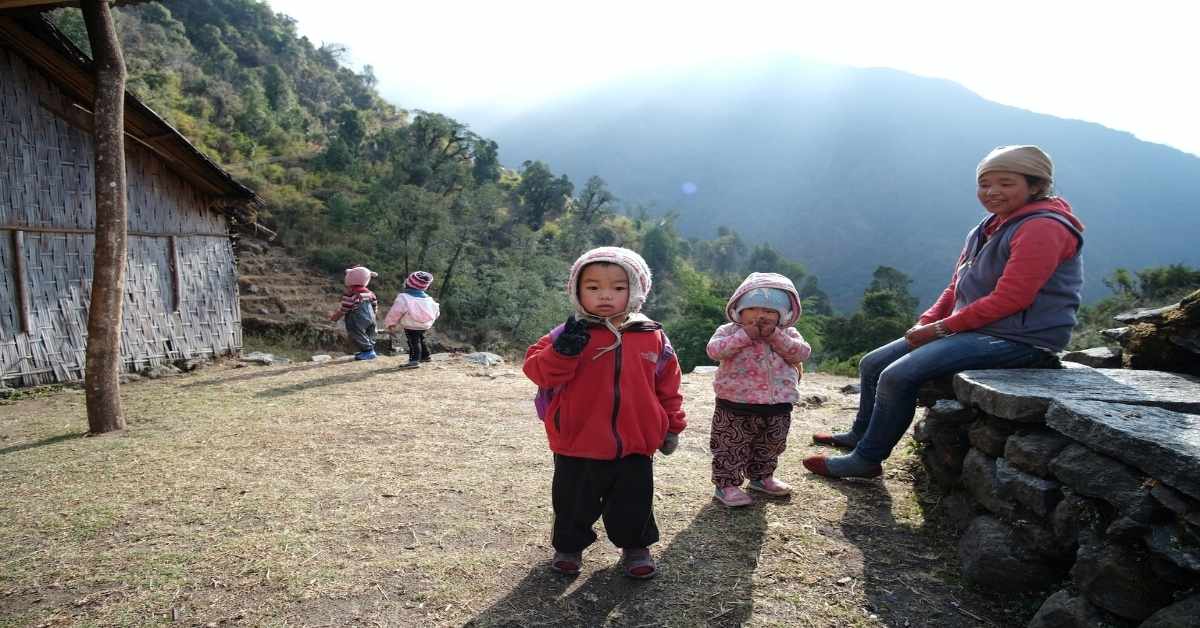
The Sherpa people are the backbone of the Everest Region and are renowned for their skill in mountaineering and their warm hospitality. Trekking gives you the chance to see their monasteries, interact with the people, and learn about their unique way of life. A major cultural attraction is the well-known Tengboche Monastery, which holds the colorful Mani Rimdu Festival every autumn.

Challenges and preparation

There are unique difficulties related to trekking in the Everest Region, including weather changes, altitude sickness, and difficult terrain. It’s essential to be both mentally and physically ready. Before going to higher altitudes, it’s best to spend a few days getting used to the altitude. Acclimatization is essential. It’s necessary to bring the appropriate equipment, such as warm clothes, hiking boots, and a high-quality bag.

The best time to visit

The spring (March to May) and autumn (September to November) seasons are the most significant to travel to the Everest region because of the most stable weather and the most stunning attractions. The trails are covered with colored prayer flags or blooming rhododendrons during these months, when the skies are typically clear.

Permits

A permit is a required document that may only be obtained from the Nepali government or another authorized organization. You must have the necessary permits, such as:

  • Trekkers’ Information Management System (TIMS) Card: For most trekking destinations in Nepal, including the Everest region, a TIMS card is usually necessary. TIMS cards come in two varieties: blue (for independent trekkers) and green (for organized trekkers). For their protection, the card helps in the tracking of trekkers by the authorities.
  • Sagarmatha National Park Permit: The Everest Base Camp treks are located in Sagarmatha National Park, which requires a separate entry permit. You can get this permission in Kathmandu or at the Monjo Park entrance.
  • Khumbu Rural Municipality Permit: The Khumbu Rural Municipality local government requires that visitors obtain another entry permission in addition to their Sagarmatha National Park permit. Normally, Lukla or Monjo are the places where this permit is obtained.

We're associated with