Training and Fitness Regimen

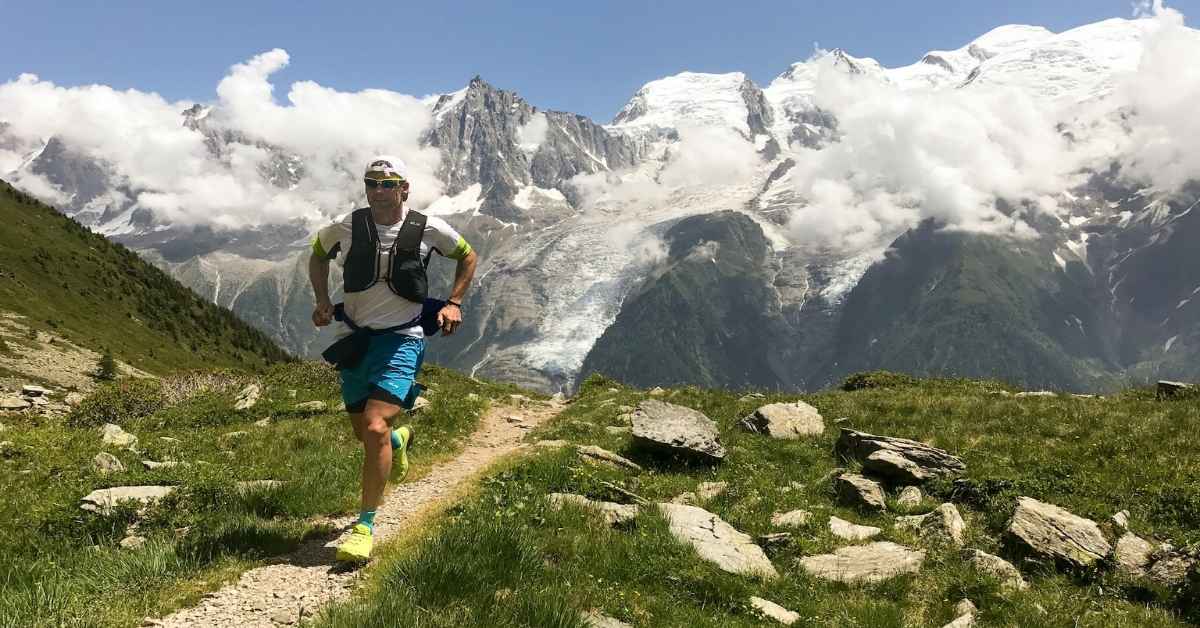
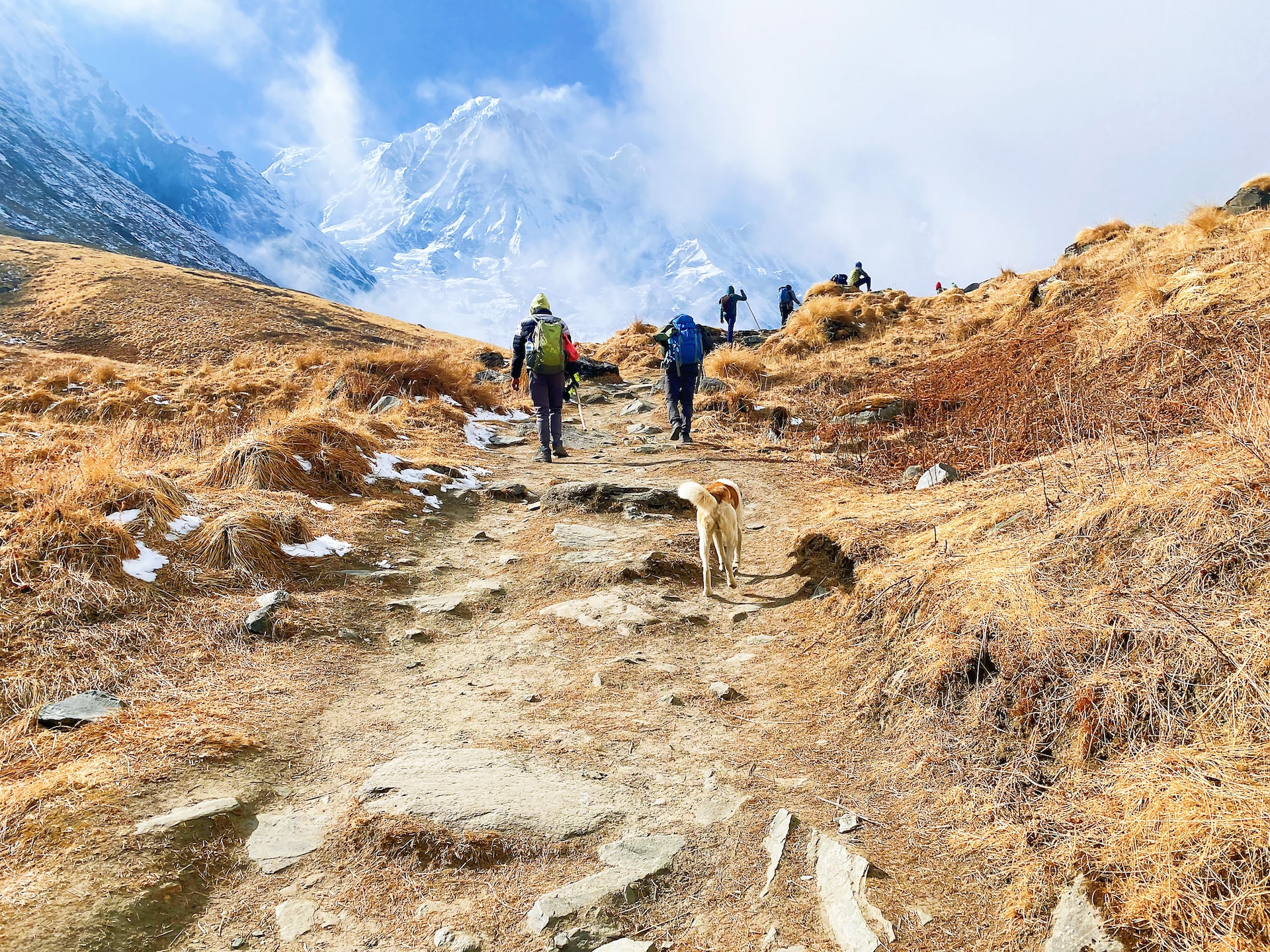
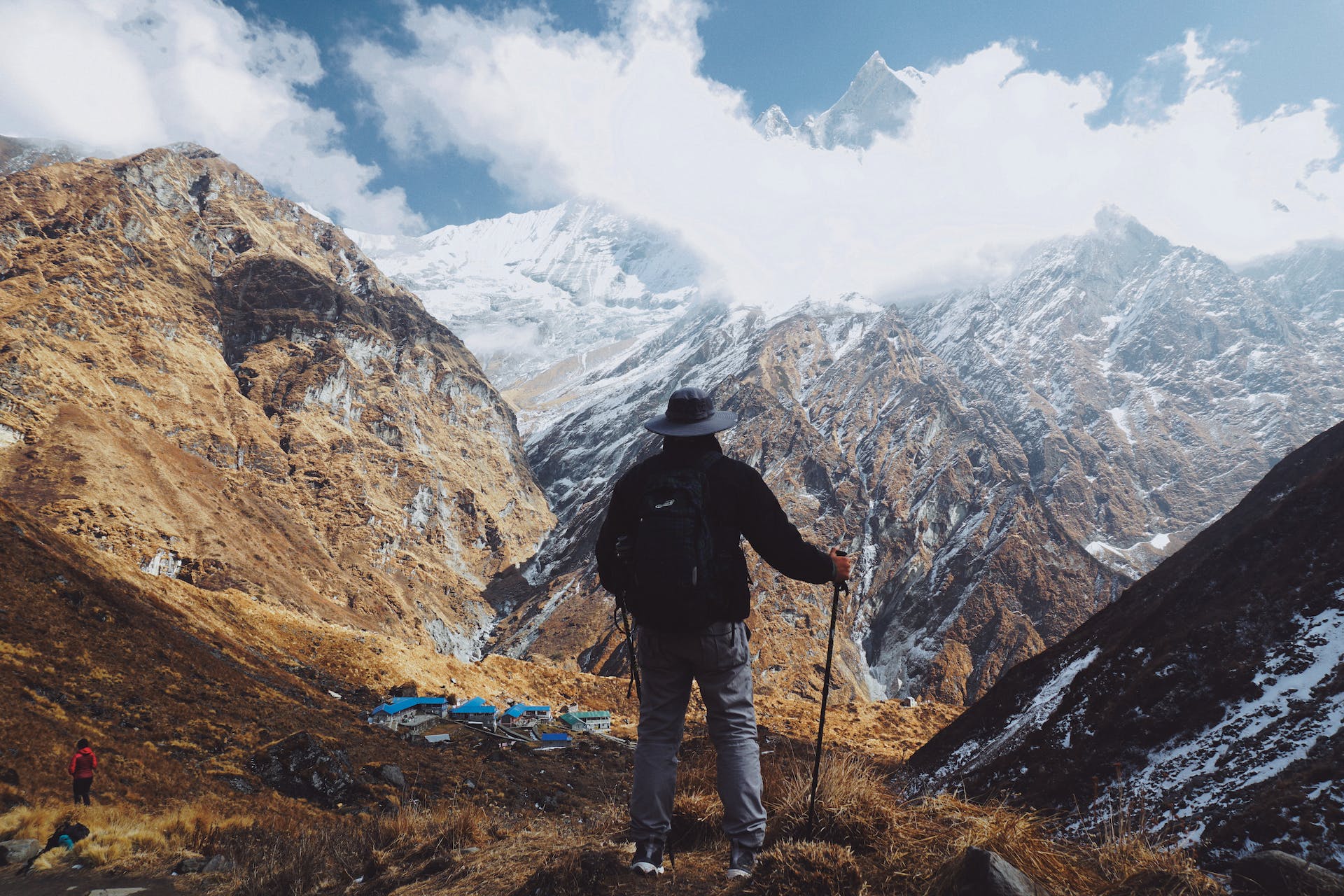
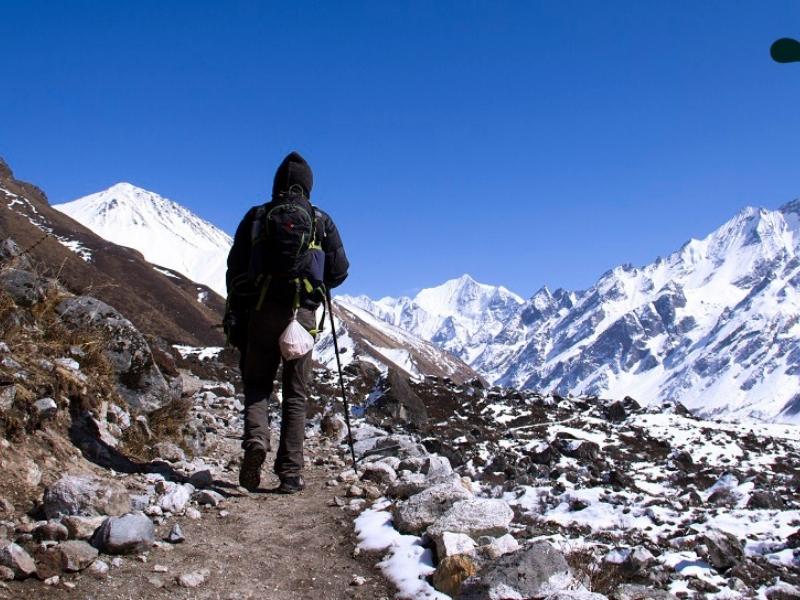
Trekking in Nepal demands physical and mental preparation, especially at higher altitudes. Whether a beginner or an experienced trekker, it’s crucial to be mentally and physically prepared for the demanding trail conditions. Training is essential for walking 8 to 10 hours a day on steep, rocky terrain, carrying a backpack, and navigating intense heat and chilly evenings. Prioritizing training can make trekking easier, safer, and more pleasurable. Here’s a suggested training and fitness regimen for trekking:

Phase 1: Base Fitness (6-8 weeks before trek)

Cardiovascular Endurance:

  • At least three times a week, begin with 20 to 30 minutes of hard work out cycling, walking, or swimming.
  • Gradually increase duration and intensity to build stamina.

Strength Training:

  • With bodyweight exercises like squats, lunges, push-ups, and core exercises, concentrate on developing overall strength.
  • Include 2-3 strength training sessions per week.

Flexibility and Mobility:

  • Include stretches to increase your range of motion and flexibility.
  • Pay attention to areas prone to stiffness, like the hips, hamstrings, and shoulders.

Phase 2: Specific Conditioning (4-6 weeks before trek)

Hiking Simulation:

  • Take longer walks or hikes, preferably on uneven terrain, to simulate trekking conditions.
  • Use a backpack with gradually increasing weight to simulate the load you’ll carry during the trek.

Altitude Simulation:

  • Consider doing simulated altitude training if you plan to trek at a high altitude.
  • Focus on longer aerobic activities to improve oxygen utilization.

Interval Training:

  • Add interval training to your cardio workouts to improve both endurance and speed.
  • Include short bursts of high-intensity activities followed by periods of rest.

Phase 3: Recovery and Final Preparation (2 weeks before trek)

Reduce Intensity:

  • Reduce the duration and intensity of your workouts to give your body time to heal.
  • Make an effort to maintain your flexibility and mobility.

Mental Preparation:

  • Imagine the trek, predict difficulties, and mentally get ready for the adventure.
  • Ensure you have all the necessary gear and equipment.

Rest and Recovery:

  • Make sure you get enough sleep and rest so your body can heal completely.
  • Drink plenty of water and concentrate on your diet to maintain your energy levels.

During the Trek

Hydration:

  • Stay hydrated by drinking lots of water throughout the trek, particularly as you ascend higher.

Pacing:

  • Depending on the difficulty of the trek, begin at a moderate pace and progressively pick up the pace.

Pay attention to your body:

  • Observe any symptoms of exhaustion, nausea from high altitude, or pain.
  • Rest or change your speed as necessary.

Nutrition:

  • Carry high-energy snacks and meals to keep you going on your trek.
  • Eat a healthy balance of fats, proteins, and carbohydrates.

The Most Challenging Treks for Adventure Seekers

Challenging Treks in Nepal: Top Adventures for Thrill-Seekers

Nepal is a paradise for adventure seekers, offering some of the most challenging and breathtaking treks in the world. The country is home to the Himalayas, including several of the world’s highest peaks. Nepal offers an entire range of trekking experiences, from the easiest to the most strenuous. The most strenuous and demanding treks in Nepal are actually the most rewarding. With all the places to trek, the most strenuous treks are characterized by high altitude, remote and rugged paths, hard turns and rough roads, extremely long walks, and unusual lodging. These fascinating and unique treks through Nepal’s Annapurna, Everest, Kanchenjunga, Dhaulagiri, Manaslu, and other regions highlight that some of the most difficult places are also the best. Here are some of the most challenging treks in Nepal that are sure to test the limits of even the most experienced adventurers:

Everest 3 pass trek

Location: Everest Region, Khumbu Valley
Trek Type: Teahouse trek
Max. Elevation: Renjo La Pass (5,360 meters), Cho La Pass (5,420 meters), Kongma La Pass (5,535 meters)
Required Permits: Sagarmatha National Park Permit, Khumbu Pashang Lhamu Rural Municipality permit, TIMS Card
Best Time to Travel: Spring (March to May) and Autumn (September to November)

The Everest 3 Pass Trek is a challenging and thrilling trek in the Everest region of Nepal. This trek takes you through the heart of the Khumbu Valley, offering breathtaking views of some of the world’s highest peaks, including Mount Everest. The three high passes you’ll cross are Kongma La Pass (5,535 meters), Cho La Pass (5,420 meters), and Renjo La Pass (5,360 meters). Along the way, trekkers experience the rich Sherpa culture, visit ancient monasteries, and traverse through picturesque villages like Namche Bazaar and Dingboche. The journey is the round-trip trek of Everest, which includes a visit to Gokyo Lake, Everest Base Camp, and the iconic viewpoint of Kala Patthar.

Dhaulagiri Circuit

Location: Dhaulagiri Region,
Trek Type: Camping trek
Max. Elevation: Dhaulagiri Base Camp (4,750 meters), French Pass (5,360 meters), Dhampus Pass (5,200 meters)
Required Permits: Annapurna Conservation Area Permit (ACAP), TIMS Card
Best Time to Travel: Spring (April to May) and Autumn (September to November)

The Dhaulagiri Circuit is a challenging trek that traverses the Dhaulagiri massif, the seventh-highest mountain in the world. This trek takes you through remote and rugged terrain, offering stunning views of Dhaulagiri and its surrounding peaks. The trail passes through traditional villages, terraced fields, and dense forests before reaching the challenging French Pass (5,360 meters) and Dhampus Pass (5,234 meters). Trekkers also traverse the hidden valleys of Myagdi, experiencing the unique culture of the Magar and Gurung communities.

Manaslu Circuit

Location: Manaslu Region
Trek Type: Teahouse trek
Max. Elevation: Larkya La Pass (5,160 meters)
Required Permits: Manaslu Restricted Area Permit, Annapurna Conservation Area Permit (ACAP), TIMS Card
Best Time to Travel: Spring (March to May) and Autumn (September to November)

The Manaslu Circuit is a culturally rich and less-crowded trek that circles the eighth-highest mountain in the world, Mount Manaslu. The trek offers a diverse range of landscapes, from subtropical forests to alpine meadows and high-mountain deserts. Highlights include crossing the challenging Larkya La Pass (5,160 meters), exploring the ancient Buddhist monasteries of Samagaon and Samdo, and witnessing the unique blend of Tibetan and Nepalese cultures. The trail also provides spectacular views of Manaslu, Himlung Himal, and other surrounding peaks.

Kanchenjunga Circuit

Location: Kanchenjunga Region
Trek Type: Camping trek
Max. Elevation: Kanchenjunga Base Camp (5,143 meters), Sele La Pass (4,290 meters), Mirgin La Pass (4,663 meters)
Required Permits: Kanchenjunga Conservation Area Permit, Kanchenjunga Restricted Area Permit, TIMS Card
Best Time to Travel: Spring (April to May) and Autumn (September to November)

The Kanchenjunga Circuit is an adventurous trek that takes you around the world’s third-highest mountain, Mount Kanchenjunga. This trek offers a remote and pristine wilderness experience, passing through diverse ecosystems and authentic rural villages. Trekkers traverse high mountain passes, including the challenging Sele La Pass (4,290 meters), and witness panoramic views of Kanchenjunga and its neighboring peaks. The trek also provides an opportunity to explore the unique culture and traditions of the Limbu and Rai communities residing in the region.

Makalu Base Camp

Location: Makalu Barun National Park
Trek Type: Camping trek
Max. Elevation: Makalu Base Camp (4,870 meters), Shipton La Pass (4,220 meters)
Required Permits: Makalu Barun National Park Permit, Makalu Rural Municipality Permit, TIMS Card
Best Time to Travel: Spring (April to May) and Autumn (September to November)

The Makalu Base Camp trek takes you to the base of Mount Makalu, the fifth-highest mountain in the world. This challenging trek involves crossing high-altitude passes and traversing through lush forests, terraced fields, and remote villages. Trekkers experience the rich biodiversity of Makalu Barun National Park and enjoy panoramic views of Makalu, Everest, and Lhotse. The trail also offers insights into the local cultures of the Sherpa, Rai, and Shingsawa communities living in the region.

Dolpo Mustang Traverse Trek

Location: Dolpo and Mustang Regions
Trek Type: Camping trek
Max. Elevation: Shey Gompa (4,500 meters), Kang La Pass (5,350 meters)
Required Permits: Lower Dolpo Trekking permit, Upper Dolpo and upper mustang Restricted trekking permit, Shey Phoksundo National Park Permit, TIMS card
Best Time to Travel: Monsoon (August to October)

The Dolpo Mustang Traverse Trek is an epic journey that combines the remote regions of Dolpo and Mustang in western Nepal. This trek offers a unique cultural experience as you pass through ancient monasteries, traditional villages, and barren landscapes. Highlights include Shey Gompa, the mystical Phoksundo Lake, and the challenging high passes of Shey Gompa (4,500 meters) and Kang La Pass (5,350 meters). Trekkers get a glimpse into the traditional Bonpo and Tibetan Buddhist cultures that have thrived in this isolated region for centuries.

Nar Phu Valley Trek

Location: Annapurna Region
Trek Type: Teahouse trek with remote trail
Max. Elevation: Kang La Pass (5,322 meters)
Required Permits: Annapurna Conservation Area Permit (ACAP), Restricted Area Permit, TIMS Card
Best Time to Travel: Spring (March to May) and Autumn (September to November)

The Nar Phu Valley Trek is a hidden gem in the Annapurna region, offering a blend of natural beauty and cultural richness. This trek takes you to the remote Nar and Phu valleys, where ancient Tibetan culture and traditions are well preserved. Trekkers cross the Kang La Pass (5,322 meters) and explore the traditional villages of Nar and Phu, witnessing ancient monasteries and unique architecture. The trail also provides stunning views of the Annapurna and Manaslu ranges, making it a captivating and less-trodden route in the Himalayas.

Guidelines for responsible trekking in Nepal

Responsible Trekking in Nepal: Essential Guidelines for Sustainable Adventures

Nepal is a popular trekking destination with breathtaking landscapes and diverse cultures. Responsible trekking involves adopting practices and behaviors that reduce the environmental effects of trekking activities while respecting local communities and cultures. It aims to promote sustainability, preserve natural landscapes, and improve the well-being of the destinations.

Research and Choose Responsible Operators

Selecting a responsible trekking operator in Nepal is fundamental to promoting ethical and sustainable tourism. Responsible operators prioritize environmentally friendly practices, support local communities, and ensure fair treatment of their staff. Trekking companies that adhere to these principles contribute positively to the conservation of Nepal’s natural beauty and cultural heritage. It is essential for trekkers to thoroughly research and choose operators committed to minimizing their ecological footprint and fostering a responsible tourism ethic.

Stay on Designated Trails

Trekking responsibly in Nepal involves staying on designated trails to minimize environmental impact. Straying off these paths can lead to soil erosion, disrupt fragile ecosystems, and harm local vegetation. Trekking activities are guaranteed to be sustainable for future generations when established routes are followed, contributing to the preservation of the natural beauty of the landscapes.

Practice Leave No Trace

The principle of ‘Leave No Trace’ emphasizes the importance of minimizing one’s impact on the environment. Trekkers should aim to leave minimal impact on the environment by packing out all waste, disposing of it properly, and refraining from littering. This ensures that the trekking areas remain pristine for future generations and minimizes the ecological footprint associated with outdoor activities.

Minimize Single-Use Plastics

Minimizing the use of single-use plastics is a key aspect of responsible trekking. Bringing reusable water bottles, containers, and utensils reduces the amount of plastic waste generated during the trek. Many trekking areas in Nepal lack proper waste disposal facilities, so minimizing single-use plastics helps protect the environment and contributes to a cleaner and healthier trekking experience.

Respect Local Cultures

Respecting local cultures is essential for fostering positive interactions between trekkers and the communities they encounter. Trekkers should familiarize themselves with local customs, seek permission before taking photographs, and dress modestly. This cultural sensitivity helps build mutual respect and ensures that the local way of life is preserved and celebrated rather than disrupted.

Support Local Communities

Opting for local accommodations, purchasing locally-made products, and hiring local guides contribute to the economic well-being of the communities along the trekking routes. Supporting local businesses ensures that the financial benefits of tourism are distributed more equitably, creating sustainable livelihoods and fostering a sense of community ownership over the trekking areas.

Conserve Water and Energy

Conscious water and energy consumption are vital for responsible trekking. In many remote trekking regions, water is a precious resource, and energy sources may be limited. Trekkers should use water sparingly, turn off lights and electronic devices when not in use, and be mindful of their energy footprint. Conserving resources helps reduce the environmental impact and promote sustainability.

Wildlife Conservation

Respecting wildlife and their habitats is integral to responsible trekking. Trekkers should observe animals from a distance, avoid feeding them, and refrain from engaging in activities that could disturb their natural behavior. Contributing to local wildlife conservation initiatives and respecting designated wildlife protection zones enhances the preservation of the diverse ecosystems encountered during the trek.

Educate Yourself and Others

Educating oneself about the local environment, culture, and trekking guidelines is essential for responsible trekking. This knowledge enables trekkers to make informed decisions that reduce their environmental impact while also benefiting the destinations they visit. It also helps to spread awareness of responsible trekking practices among trekkers when you share this information with other trekkers.

Follow Regulations and Permits

Fulfilling trekking regulations and obtaining the necessary permits is a fundamental aspect of responsible trekking in Nepal. These regulations are in place to ensure the safety of trekkers, protect the environment, and manage the flow of tourists. Respecting these guidelines helps maintain the integrity of Nepal’s trekking destinations and makes trekking activities more sustainable overall.

Top 5 Best Trekking packages in Nepal offered by Trekker Trails Team

Trekking in Nepal

In Nepal, trekking is among the most popular activities. It goes without saying that one of the most well-known and popular adventure activities in Nepal is trekking. Nepal is the home of some of the highest mountain peaks on Earth, which helps bring more tourists to the country. Nepal’s multicultural aspect also helps make the trekking journeys deeper and more diverse. The best kinds of vacations are those that involve trekking through remote areas, passing through the massive shadow of the Himalayas, and touring ethnic communities at the base of the shining mountains. Traveling to Nepal offers the opportunity to experience not only one of the world’s most magnificently varied mountainous landscapes but also the local ethnic culture and customs, which makes for an interesting holiday. Factors such as the biodiversity and wildlife of the area are also included in the mix, presenting a beautifully wrapped gift that you can enjoy worry-free.

Trekker Trails offers a variety of comprehensive and well-rounded trekking and travel packages for you to choose from. With the steady passing of the year and the upcoming year, we have gathered the top five best trekking packages in Nepal. The popularity and highlights of these five top trekking packages have been chosen from among the many trekking adventures that are available across the nation and differ in terms of length and trip rating. Hence, if you are looking for a trekking journey with your family, friends, or even solo, look no further than the best trekking packages in Nepal offered by Trekker Trails.

Everest Base Camp Trek

A classic journey into the heart of the Everest Region is situated in the northeastern part of Nepal. Everest Base Camp (EBC) is one of the most iconic trekking destinations in the world, offering breathtaking landscapes, rich cultural experiences, and the chance to witness the world’s highest peak, Mount Everest. The trek starts with a thrilling yet scenic flight to Lukla and winds through picturesque Sherpa villages, with an opportunity to explore the popular and charming villages like Namche Bazaar, Tengboche, and Dingboche. The routes towards Everest Base Camp pass through rocky paths, suspension bridges, and rhododendron forests with diverse flora and fauna in Sagarmatha National Park. Furthermore, the vantage point of Kalapatthar is also another famous highlight of the Everest Base Camp Trek. It provides an unforgettable panorama of the Mount Everest massif. The trail offers an opportunity to explore Buddhist monasteries and prayer flags with a breathtaking view of Mt. Everest, Mt. Lhotse, Mt. Cho Oyu, Mt. Nuptse, and other snowcapped Himalayas and provides insight into Sherpa culture and traditions.

Annapurna Base Camp Trek

The Annapurna Base Camp Trek is a breathtaking journey through the stunning landscapes of the Annapurna region, offering trekkers an immersive experience in both natural beauty and cultural richness. Starting from Nayapul, the trail passes through terraced fields and traditional Gurung villages, where trekkers can engage with the warm hospitality of the local communities. As the hike goes on, dense rhododendron forests give way to alpine meadows, offering breathtaking views of iconic peaks like Mt. Machapuchare and the Annapurna Massif. The trek concludes at the Annapurna Base Camp, a sanctuary nestled at the foot of Annapurna I, the 10th highest peak in the world. Trekkers are rewarded with an incredible view of the towering Himalayan peaks, which include the majestic Annapurna South. The Annapurna Base Camp Trek perfectly combines natural wonders with cultural immersion, making it a must-experience adventure for those seeking a perfect blend of mountain beauty and cultural discovery in the heart of the Himalayas.

Annapurna Circuit Trek

The Annapurna Circuit Trek is a popular and diverse trekking adventure that traverses the entire Annapurna Massif, presenting trekkers with a wide range of landscapes and cultural experiences. Beginning in the bustling town of Besisahar, the path leads through terraced fields, subtropical forests, and charming villages inhabited by diverse ethnic communities, including Gurungs, Thakalis, and Manangis, experiencing their warm hospitality and traditions. The highlight of the trek is the challenging yet rewarding crossing of Thorong La Pass (5,416 meters), offering panoramic views of the Annapurna and Dhaulagiri Mountain ranges. The alpine meadows give way to deserted areas evocative of Tibetan plateaus as the trek continues. The Annapurna Circuit is not only a physical journey; it’s a cultural exploration, an adventure through ever-changing vistas that leave an unforgettable mark on those seeking a comprehensive Himalayan experience.

Langtang Valley Trek

The Langtang Valley Trek unfolds as a mesmerizing journey into the heart of the Langtang region, providing trekkers with a blend of natural beauty and cultural immersion. Beginning in Syabrubesi, the trail ascends through lush rhododendron forests, picturesque Tamang villages, and alongside waters from glacier rivers. Trekkers are welcomed to breathtaking views of snow-capped peaks, including Langtang Lirung and Ganesh Himal, creating a serene backdrop throughout the journey. The unique aspect of the Langtang Valley Trek lies in the opportunity to explore the rich Tamang culture, characterized by traditional wooden houses and ancient monasteries. The warm hospitality of the locals adds a personal touch to the experience. Trekking through alpine meadows and high-altitude terrain reveals the changing landscape. The Langtang Valley, situated in the shadow of towering peaks, serves as a pristine destination for those seeking a rewarding trek off the beaten path, combining natural beauty with cultural depth.

Upper Mustang Trek

The Upper Mustang Trek appears as a unique and culturally rich journey to the remote and mystical region of Mustang, often known as the “Forbidden Kingdom.” Situated between Nepal and Tibet, this trek offers a unique experience that sets it apart from other Himalayan adventures. Starting from Kagbeni, the trail leads through a barren yet mesmerizing landscape that looks like a high-altitude desert adorned with cracked canyons and ancient cave houses. Trekkers traverse through traditional villages like Lo Manthang, where Tibetan Buddhist traditions and ancient monasteries contribute to the region’s mystery. The restricted nature of Upper Mustang adds an exclusive attraction, allowing trekkers to witness a preserved way of life and architecture that dates back to medieval times. The journey not only provides stunning views of the Mt. Nilgiri and Annapurna ranges but also engages trekkers in a cultural tapestry that feels like a journey back in time, making the Upper Mustang Trek a delightful adventure for those seeking a unique blend of history, culture, and Himalayan beauty.

History of Trekking in the Annapurna Region

Exploring the Rich History of Trekking in the Annapurna Region

Since the middle of the 20th century, trekking in Nepal’s Annapurna region has grown to become one of the most well-liked trekking destinations worldwide. The development of trekking in the Annapurna region is often credited to Colonel Jimmy Roberts, who organized the first commercial trek in 1956. Roberts led a group through the Kali Gandaki Gorge, showcasing the beauty of the region and setting the stage for future trekking activities. The Annapurna region saw a steady increase in popularity for trekking during the 1960s and 1970s. The construction of roads and the introduction of teahouses along the trails facilitated access for trekkers. The Annapurna Circuit Trek, a classic route encircling the Annapurna Massif, emerged as one of the premier trekking experiences, offering a variety of landscapes from lush subtropical forests to high alpine deserts. In the 1980s, with the establishment of the Annapurna Conservation Area, efforts were made to balance tourism with environmental conservation.

The 21st century brought more changes to trekking in the Annapurna region, with improvements in trail infrastructure, accommodations, and services. There are now a variety of trekking routes and variations available, giving trekkers more ways to explore the region. But the devastating earthquake in 2015 had a significant impact on the Annapurna region, leading to reconstruction efforts and the implementation of measures to ensure the safety and sustainability of trekking activities. Today, the Annapurna region continues to be a favorite among trekkers worldwide. The treks to the Annapurna Base Camp and Annapurna Circuit continue to be iconic experiences, drawing people looking for a mix of stunning scenery, cultural immersion in the Gurung and Thakali villages, and close encounters with the region’s varied flora and fauna. Trekking in the Annapurna region has a long history that reflects exploration, respect for the environment and local culture, and continuous efforts to strike a balance between tourism and conservation.

History of Trekking in the Everest Region

The Rich History of Trekking in the Everest Region

The Everest region, which is home to Mount Everest, the highest peak in the world, has a rich history that dates back to the 1920s, when British expeditions under the command of Lieutenant Colonel Charles Howard-Bury made the first attempts to summit the mountain. However, it wasn’t until the historic British Mount Everest expeditions in the 1950s that the region gained international attention. Sir Edmund Hillary’s and Tenzing Norgay’s historic ascent of Everest in 1953 sparked global interest, drawing trekkers and mountaineers to the Khumbu region. During the 1960s and 1970s, the Everest Base Camp trek gained popularity, attracting adventurers from around the world. The development of trekking infrastructure, including teahouses and trails, facilitated access to the breathtaking landscapes of the Khumbu Valley.

The construction of the Lukla Airport in 1964 further facilitated access to the region, making it a gateway for trekkers embarking on journeys to the Everest Base Camp and other high-altitude destinations. The Sagarmatha National Park, created in 1976, played a crucial role in conserving the unique biodiversity and natural beauty of the area. The town of Namche Bazaar, a traditional Sherpa trading hub, became a central point for trekkers heading to Everest Base Camp. The development of trekking infrastructure, including teahouses, lodges, and well-maintained trails, made the Everest region more accessible to trekkers of varying skill levels. The iconic Everest Base Camp Trek, leading to the base of the world’s highest peak, became one of the most sought-after trekking routes globally.

In the 21st century, the Everest region has faced challenges such as increased tourism pressure and environmental concerns. The devastating earthquakes in 2015 had a significant impact on the region, causing extensive damage to infrastructure and trails. However, the local communities and authorities, with support from international organizations, worked diligently to rebuild and restore the region’s trekking infrastructure. Today, the Everest region remains a premier destination for trekking enthusiasts, offering a blend of natural beauty, cultural richness, and the thrill of being in the shadow of Mount Everest. Trekkers continue to embark on journeys through the Khumbu Valley, encountering Sherpa villages, Buddhist monasteries, and breathtaking panoramas that contribute to the region’s enduring appeal.

History of trekking in Nepal

The Fascinating History of Trekking in Nepal

Trekking has a long history in Nepal, connected with the breathtaking scenery, varied cultures, and attraction of the world’s tallest peaks, including Mount Everest. Trekking in Nepal dates back to the early 20th century, but it only became popular in the latter half of the century. Nepal allowed foreigners to enter the country at the beginning of the 20th century, and the first known trekking expedition took place in the Annapurna region in the 1950s under the direction of Colonel Jimmy Roberts. Trekking became more accessible to a wider range of people with the building of the Tribhuvan Highway in the 1960s and 1970s, which further facilitated access to remote areas.

Annapurna and Langtang National Parks were established in the 1980s, which helped to preserve new landscapes along well-traveled trekking routes. In addition to the adventure element, new trekking routes and cultural experiences were promoted in the 1990s. The 21st century brought advancements in trekking infrastructure, with improved trails, accommodations, and amenities. However, the devastating earthquakes of 2015 created difficulties for the trekking industry, such as having to reconstruct damaged trails and infrastructure. Despite these setbacks, trekking in Nepal remains a vital component of the country’s tourism industry, attracting trekkers with its breathtaking landscapes, diverse cultures, and warm hospitality. Today, trekking in Nepal continues to evolve, with new routes being explored and sustainable practices being emphasized to ensure the preservation of its natural beauty for future generations.

The Top Three Best Trekking Regions in Nepal

Nestled within the embrace of the mighty Himalayas, Nepal captivates the soul with its unparalleled beauty. The home of 14 named mountains and several unnamed mountains, among which 8 are the highest in the world. The country is a mosaic of stunning landscapes that seamlessly blend towering peaks, verdant hills, and pristine valleys. Nepal’s topography is a work of nature’s art, from the majestic heights of the world’s highest peak, Mount Everest, to the serene lakes and verdant forests of the Annapurna and Langtang regions. Every step unveils a tapestry of diverse ecosystems, from subtropical jungles alive with exotic wildlife to alpine meadows adorned with vibrant rhododendron blooms. The cultural richness is equally enchanting, with ancient temples, monasteries, and vibrant traditions dotting the landscape. But perhaps it is the warmth of the Nepalese people, their resilient spirit, and the fusion of Hindu and Buddhist cultures that add an extra layer of magic to this Himalayan haven. Nepal’s beauty is not just in its landscapes but in the genuine smiles of its inhabitants, the rhythm of prayer flags in the wind, and the sense of awe that permeates every corner, making it a truly extraordinary destination for those seeking a profound connection with nature and humanity.

Every year, many people from different countries come to visit Nepal and witness this amazing scenery. There are numerous trekking regions in the country, each offering unique experiences. Among all the trekking regions, these three regions are the best:

Everest Region

The Everest region, also known as the Khumbu Valley, is one of the top destinations nestled in the heart of the Nepalese Himalayas. It is situated in Khumbu, a part of the Solukhumbu district, in northeastern Nepal. The world’s highest peak, Mount Everest, towers over this region, which provides an amazing and culturally diverse trekking experience at 8,848 m. This region is also home to the Himalayas, including Mt. Lhotse, Mt. Nuptse, Mt. Cho Oyu, Mt. Ama Dablam, Mt. Changtse, and trekking peaks including Mera Peak, Island Peak, and Lobuche Peak. The Everest region, also known as the Sherpa settlement of the Himalaya, is home to the villages of Thame, Khumjung, Pangboche, Kunde, and popular towns like Namche Bazaar. The region’s landscape is a spectacle of snow-capped peaks, dramatic glaciers, and the legendary Khumbu Icefall. Along the way, trekkers encounter ancient monasteries, such as Tengboche, where the spiritual ambiance mingles with breathtaking mountain vistas. The warmth and hospitality of the Sherpa people, their unique culture, and the challenging yet rewarding trails make the Everest region an extraordinary destination for those seeking both physical adventure and spiritual enrichment in the lap of the Himalayas. The journey to Everest Base Camp, one of the region’s iconic treks, is a pilgrimage for adventurers seeking to stand at the foot of the world’s highest summit.

Highlights of Everest Region

  • Lukla Airport

Lukla Airport, officially known as Tenzing-Hillary Airport, is the gateway to the Everest region. Nestled among the mountains, this small yet iconic airport is renowned for its challenging approach. It is often considered one of the most dangerous airports in the world. Serving as the starting point for treks to Everest Base Camp and other destinations in the Khumbu Valley, Lukla Airport sets the stage for the adventure that awaits in the Himalayas.

  • Namche Bazar

Namche Bazaar, the bustling heart of the Khumbu Valley, is a vibrant Sherpa town that serves as the main trading hub of the region. Namche offers trekkers a blend of traditional Sherpa culture and modern amenities, surrounded by towering peaks. The weekly market, with its colorful array of goods, and the breathtaking views of Everest and Ama Dablam make Namche Bazaar a crucial acclimatization stop and a cultural gem on the Everest trekking trail.

  • Sagarmatha National Park

Sagarmatha National Park, a UNESCO World Heritage Site, surrounds the Everest region and is a home for diverse flora and fauna. The park’s lush forests, alpine meadows, and towering peaks provide a pristine environment for rare species like the red panda and snow leopard. Trekkers pass through the park, contributing to the conservation efforts while immersing themselves in the breathtaking landscapes that make Sagarmatha National Park a natural treasure.

  • Tengboche Monastery

Along the Everest trekking route, Tengboche Monastery is a spiritual haven located at an elevation of 3,867 m. The monastery, with its exquisite architecture and panoramic views of Ama Dablam, Everest, and other peaks, is a sacred site for both trekkers and the local Sherpa community. Visitors often pause to absorb the serene atmosphere and witness traditional Buddhist ceremonies.

  • Mt. Everest

The ultimate highlight of the Everest region, Mount Everest, or Sagarmatha in Nepali, stands at an awe-inspiring 8,848 m, which makes it the world’s highest peak. Trekkers catch their first glimpse of Everest from various vantage points along the trail, and reaching Everest Base Camp is the conclusion of the journey, offering a unique perspective of the legendary mountain.

  • Kala Patthar

Kala Patthar, a trekker’s vantage point close to Everest Base Camp, provides one of the best panoramic views of Mount Everest. As the highest point on the classic Everest Base Camp trek, Kala Patthar provides a surreal sunrise or sunset spectacle where the entire Everest massif is shimmering in golden colors, creating an unforgettable visual feast.

  • Gokyo Lakes

The Gokyo Lakes are a group of aquamarine glacial lakes encircled by towering peaks, and they are tucked away in the Gokyo Valley. The trek to Gokyo takes adventurers off the beaten path, offering a tranquil alternative to the Everest Base Camp route. Renowned for its stunning reflections of Cho Oyu, the world’s sixth-highest mountain, the Gokyo Lakes region is a serene and mesmerizing highlight of the Everest trekking experience.

Annapurna Region

The Annapurna region, a majestic expanse in central Nepal, is a trekker’s paradise renowned for its diverse landscapes and cultural richness. Home to the Annapurna Mountain range, including the iconic Annapurna Massif and Dhaulagiri, the region encompasses subtropical forests, terraced fields, and alpine meadows, offering a kaleidoscope of natural beauty. Trekkers traverse through traditional villages, where hospitable Gurung and Magar communities showcase their unique traditions. The Annapurna Circuit, a classic trek, circles the entire Annapurna Massif, providing stunning views and an immersive cultural experience. The Annapurna Base Camp Trek, another popular route, leads to a natural amphitheater surrounded by towering peaks. The region also boasts the famous Poon Hill vantage point, offering panoramic sunrise views. With its diverse topography, rich cultural tapestry, and awe-inspiring mountain vistas, the Annapurna region stands as an enchanting destination that captures the essence of Nepal’s natural and cultural wonders.

Highlights of Annapurna Region

  • Pokhara

Pokhara is a picturesque entry point to the Annapurna region, nestled away next to the tranquil Phewa Lake and encircled by the Machapuchare (fishtail) and Annapurna Mountain ranges. This lakeside city provides a tranquil contrast to the rugged mountain terrain, offering stunning reflections of the Himalayas on the lake’s surface. Pokhara serves as a starting or ending point for many Annapurna treks, and its relaxed atmosphere, vibrant markets, and adventure activities make it a must-visit destination.

  • Ghandruk

A charming Gurung village situated on a hill, Ghandruk is a cultural gem in the Annapurna region. Its traditional stone houses, intricately carved wooden windows, and terraced fields create a postcard-perfect setting. Ghandruk offers a glimpse into the local way of life, and trekkers often stay here to experience the warm hospitality of the Gurung people. The village also provides panoramic views of the Annapurna and Machapuchare peaks.

  • Poon Hill

Poon Hill, a popular vantage point along the Annapurna Circuit and Ghorepani Poon Hill trek, is renowned for its breathtaking sunrise views. Early in the morning, hikers climb to this viewpoint to see the sun reflecting the Dhaulagiri and Annapurna ranges in a golden glow. The panoramic spectacle includes Machapuchare and surrounding peaks, creating a mesmerizing vista that rewards the effort of the pre-dawn trek.

  • Annapurna Massif

The stunning Annapurna Massif, the region’s top attraction, is made up of multiple peaks, the highest of which is Annapurna I, ranking as the 10th highest mountain in the world. Treks in the Annapurna region offer close encounters with these majestic peaks, whether it’s the Annapurna Circuit or the trek to Annapurna Base Camp. The dramatic landscapes, deep gorges, and high mountain passes contribute to the allure of this massif, making it a magnet for trekkers and mountaineers alike.

  • Annapurna Conservation Area

The Annapurna Conservation Area (ACA) is the largest protected area in Nepal, covering diverse ecosystems and providing a habitat for a wide range of flora and fauna. The Annapurna Conservation Area (ACA) is a biodiversity hotspot that includes lush forests, alpine meadows, and high-altitude deserts. Trekkers pass through this conservation area, contributing to sustainable tourism practices that help preserve the region’s natural splendor and support local communities.

Langtang Region

The Langtang region, often referred to as the “Valley of Glaciers,” is a hidden gem situated to the north of Kathmandu, offering a pristine trekking experience. This area, which is part of Langtang National Park, has a variety of landscapes, including high alpine meadows and lush temperate forests. The Langtang Valley trek takes trekkers through traditional Tamang villages, where ancient customs and rich cultural practices survive. The journey unfolds against a backdrop of soaring peaks, including Langtang Lirung and Ganesh Himal. The sacred Gosaikunda Lake, a high-altitude alpine lake, is another highlight in the region. The Langtang region trek provides a perfect blend of natural beauty, Himalayan grandeur, and cultural immersion, making it an appealing choice for those seeking a trekking adventure off the beaten path.

Highlights of Langtang Region

  • Langtang Lirung

The Langtang Lirung is the highest peak of the Langtang Himal range, standing at 7,227 m above sea level. Langtang Lirung is a majestic peak that captivates trekkers with its snow-covered slopes and impressive presence. The scenic trails in the Langtang Valley offer awe-inspiring views of this snow-clad giant. The closeness of Langtang Lirung adds a dramatic and breathtaking backdrop to the entire trekking experience, creating a sense of grandeur and serenity.

  • Gosaikunda Lake

Situated within the Langtang National Park, Gosaikunda Lake is a sacred alpine lake that attracts trekkers with its pristine beauty. The trek to Gosaikunda takes adventurers through lush forests, picturesque meadows, and traditional Tamang villages before reaching this serene high-altitude lake. Snow-capped peaks, including Langtang Lirung, encircle the lake. It is significant culturally and draws pilgrims in August for the full moon festival. Its reflective waters and tranquil ambiance make Gosaikunda a mesmerizing destination

  • Langtang National Park

The Langtang National Park symbolizes the Langtang region’s diverse ecosystems. Covering an area of 1,710 sq. km, the park is a home for various flora and fauna, including red pandas, Himalayan tahr, and numerous species of birds. The trek through Langtang National Park offers a chance to witness the beauty of rhododendron forests,oak woodlands, bamboo groves, and high alpine meadows, contributing to the region’s ecological significance.

  • Tamang valley

The Tamang Valley, inhabited by the Tamang ethnic group, is a cultural treasure located in the Langtang region. The trek through Tamang villages provides a unique opportunity to immerse yourself in the rich heritage of the Tamang people. With their distinct language, customs, and vibrant festivals, Tamang villages such as Gatlang and Thuman offer a genuine cultural experience, allowing visitors to engage with local traditions and witness the warm hospitality of these Himalayan communities. The Tamang Valley adds a cultural dimension to the Langtang region trek, creating a holistic experience that combines natural beauty with the richness of Himalayan traditions.


Everything you need to Know about the Annapurna Circuit Trek

In the Annapurna region of Nepal, the Annapurna Circuit Trek is a renowned trekking path. It is famous for its diverse landscapes, cultural richness, and stunning views of the Annapurna and Dhaulagiri Mountain ranges. Here is everything you need to know about the Annapurna Circuit Trek:

Location

The Annapurna region of Nepal is where the Annapurna Circuit is located in the central-north part of Nepal, within the Annapurna Conservation Area. The trek starts in the city of Besisahar, which is accessible by road from Kathmandu, and ends in Jomsom.

Duration

The standard duration for completing the Annapurna Circuit Trek is around 13 to 15 days, depending on the specific itinerary and acclimatization needs. To ensure proper acclimatization and prevent altitude sickness, it is important to stay a few extra days at higher altitudes.

Route

The traditional Annapurna Circuit Trek follows a circular route that takes you around the Annapurna Massif. The highest point on the trek is the Thorong La Pass (5,416m). The key points along the route include:

  • Besi Sahar (Starting Point): The trek typically begins in Besi Sahar, a town in the Lamjung District.
  • Chame to Manang: The trail passes through villages like Chame and Pisang, gradually gaining altitude. Manang is a significant acclimatization stop with beautiful views.
  • Thorong La Pass: This high mountain pass, situated at an elevation of about 5416 m, is one of the highlights of the trek. It’s crucial to acclimatize properly before attempting the pass.
  • Muktinath: After crossing Thorong La Pass, the trail descends to Muktinath, a sacred pilgrimage site with a famous temple.
  • Jomsom and Marpha: The trek continues through the Kali Gandaki Gorge, the deepest gorge in the world, passing through the towns of Jomsom and Marpha.
  • Nayapul (Ending Point): The trek typically concludes at Nayapul, from where you can take transportation back to Pokhara.

Highlights

  • Thorong La Pass (5,416 m): The high point of the trek, Thorong La Pass offers breathtaking panoramic views of the Annapurna and Dhaulagiri Mountain ranges.
  • Mountain Ranges: The trek provides stunning views of some of the world’s highest peaks, including Annapurna, Dhaulagiri, Manaslu, Machapuchare (Fishtail), and Nilgiri.
  • Cultural Encounters: The trail passes through numerous traditional villages inhabited by diverse ethnic groups such as Gurung, Manangi, Thakali, and Mustang people.
  • Natural Hot Springs: After the challenging Thorong La Pass, trekkers can relax in the natural hot springs at Tatopani, providing a soothing respite for tired muscles.
  • Kali Gandaki Gorge: Known as the deepest gorge in the world, the Kali Gandaki River flows between the Annapurna and Dhaulagiri Mountain ranges, creating a dramatic and awe-inspiring landscape.

Difficulty

The Annapurna Circuit trek is of moderate to challenging difficulty. Trekkers must be physically fit and have acclimated to the varied terrain they traverse, which ranges from verdant forests to high-altitude mountain passes. The trek’s duration and challenging Thorong La Pass make it suitable for experienced trekkers seeking a rewarding adventure.

Permits

A permit is a necessary document that must be obtained from the government of Nepal or another authorized agency. You need to have all the necessary permits, which include:

  • Annapurna Conservation Area Permit (ACAP): The National Trust for Nature Conservation (NTNC) issues ACAPs, which are mandatory for all trekkers. This permit is essential for entering the Annapurna Conservation Area. The permit can be obtained in Kathmandu or Pokhara.
  • Trekkers’ Information Management System (TIMS) Card: A TIMS card is typically required for a lot of trekking destinations in Nepal, including the Annapurna region. There are two types of TIMS cards: green for organized trekking and blue for solo trekkers. The card helps authorities keep track of trekkers and ensure their safety.

Teahouses and Accommodations:

Along the Annapurna Circuit, teahouses offer basic lodging and meals. The trekking route is well known, and most of the villages have family-run establishments with accommodations, which provide a comfortable and social atmosphere. These teahouses provide simple lodging as well as food. The trek becomes more accessible since you don’t need to bring camping gear.

The Best Time to Trek:

In spring (March to May) and autumn (September to November), the Annapurna Circuit Trek is the best. Clear skies, stable weather, and fantastic trekking conditions are all present during these seasons.

Altitude Sickness:

To reduce the chance of altitude sickness, acclimatization is essential. To get used to the high altitude, spend a few days in altitude villages before climbing the passes. Proper acclimatization, hydration, and a gradual ascent help mitigate the risk. Familiarize yourself with the symptoms and descend if severe signs occur.

Guided or independent:

While some trekkers choose to go independently, hiring a local guide and/or porter can enhance the trekking experience. Many hikers choose experienced guides who have hiked the path before and can offer helpful guidance and support.

Packing List:

Bring the right equipment for your trek, such as sturdy trekking boots, weather-appropriate clothing, a good-quality backpack, water purification tablets, a first aid kit, a sleeping bag, and necessary permits. Pack lightweight, moisture-wicking clothing for the various weather conditions encountered during the trek.

Top Seven Tips for a Trek to Everest Base Camp

The Everest Base Camp Trek is one of the most well-known trekking routes worldwide. This trek intersects with numerous trails that wind through Sagarmatha National Park. Highlights of the park include stunning mountain peaks like Mt. Nuptse, Mt. Lhotse, and Mt. Ama Dablam, as well as other remarkable mountain ranges. The trek is highly treasured due to the presence of Mount Everest, the world’s highest peak, and well-known tourist destinations such as Namche Bazaar, Tengboche, and Dingboche, as well as the serene atmosphere of the large Buddhist monastery. The main highlight of this trek is the great viewpoint of Kalapatthar, which provides an unforgettable panorama of the Everest massif. Here are the top seven tips for a trek to Everest Base Camp:

When booking your flights, leave some spare time.

When planning a trek to Everest Base Camp, it’s crucial to factor in potential delays or disruptions in your travel itinerary. Since Lukla is an airport located in a mountainous region, weather and climate conditions can be unpredictable, leading to flight cancellations or delays. By allowing for extra time in your flight schedule, you can better manage unexpected situations and ensure you have sufficient time for acclimatization and the trek itself.

Don’t forget to get permits.

Getting the necessary permits is an essential aspect of trekking to Everest Base Camp. Before starting on your journey, make sure to obtain the required permits, such as the Sagarmatha National Park entry permit and the Khumbu Pasang Lhamu Rural Municipality permit. These permits not only support conservation efforts in the region but also help authorities track and ensure the safety of trekkers. Failure to obtain the necessary permits may lead to fines or restrictions on your trek.

Don’t forget to carry Nepali currency.

While some places on the Everest Base Camp trek accept foreign currency, it is advisable to carry Nepali Rupees (NPR) for small purchases, tips, and transactions in remote areas where credit cards may not be accepted. It’s also important to note that currency exchange facilities may be limited along the trekking route, so having enough local currency ensures you can comfortably cover your expenses throughout the journey.

Experience the sunset from the Kala Pathar viewpoint.

Kala Patthar (5645 m), a renowned viewpoint near Everest Base Camp, offers one of the most breathtaking panoramic views of the Himalayan range, including Mt. Everest. To enhance your trekking experience, the best time of the day to be at this viewpoint is in the evening, when you get to witness the exceptional sunset. The warm hues of the setting sun cast over the towering peaks create a mesmerizing panorama. It’s a rewarding way to conclude your trekking day and capture unforgettable memories.

Respect Local Culture.

The Everest region is home to the Sherpa people, who have a rich cultural heritage. As you trek through local villages and interact with the residents, it’s important to show respect for their traditions and customs. Seek permission before taking photographs, dress modestly, and be mindful of local sensitivities. Embracing and respecting the local culture adds depth to your trekking experience and fosters positive interactions with the communities along the way.

Altitude Awareness.

Altitude sickness is a real concern when trekking to high-altitude destinations like Everest Base Camp. It’s crucial to be aware of the symptoms of altitude sickness, such as headaches, nausea, and dizziness, and to acclimatize properly by taking gradual ascents. Adequate hydration, proper nutrition, and listening to your body are key elements in preventing altitude-related issues. If symptoms persist, it’s essential to descend to lower elevations promptly.

Travel Insurance.

Trekking in a remote and challenging environment like the Everest region comes with inherent risks. Having comprehensive travel insurance is non-negotiable. Ensure your policy covers emergency evacuation, medical expenses at high altitudes, and potential trek disruptions. Having the right insurance safeguards, you against unforeseen circumstances and provides peace of mind as you embark on this adventurous journey.

We're associated with